As the Official Supporter of the FIFA World Cup 2026™ in Greece, Stoiximan brings together everything that makes this tournament truly stand out — a reminder that the World Cup is so much more than 90 minutes of football. It’s the packed stadiums, the fans writing history, the screens lighting up across every time zone, the technology transforming the game, the players becoming legends, and the extraordinary moments that make every tournament unforgettable. Because for nearly 40 days, every moment belongs to the World Cup.
FIFA World Cup 2026: The moments Stoiximan highlighted that made all the difference
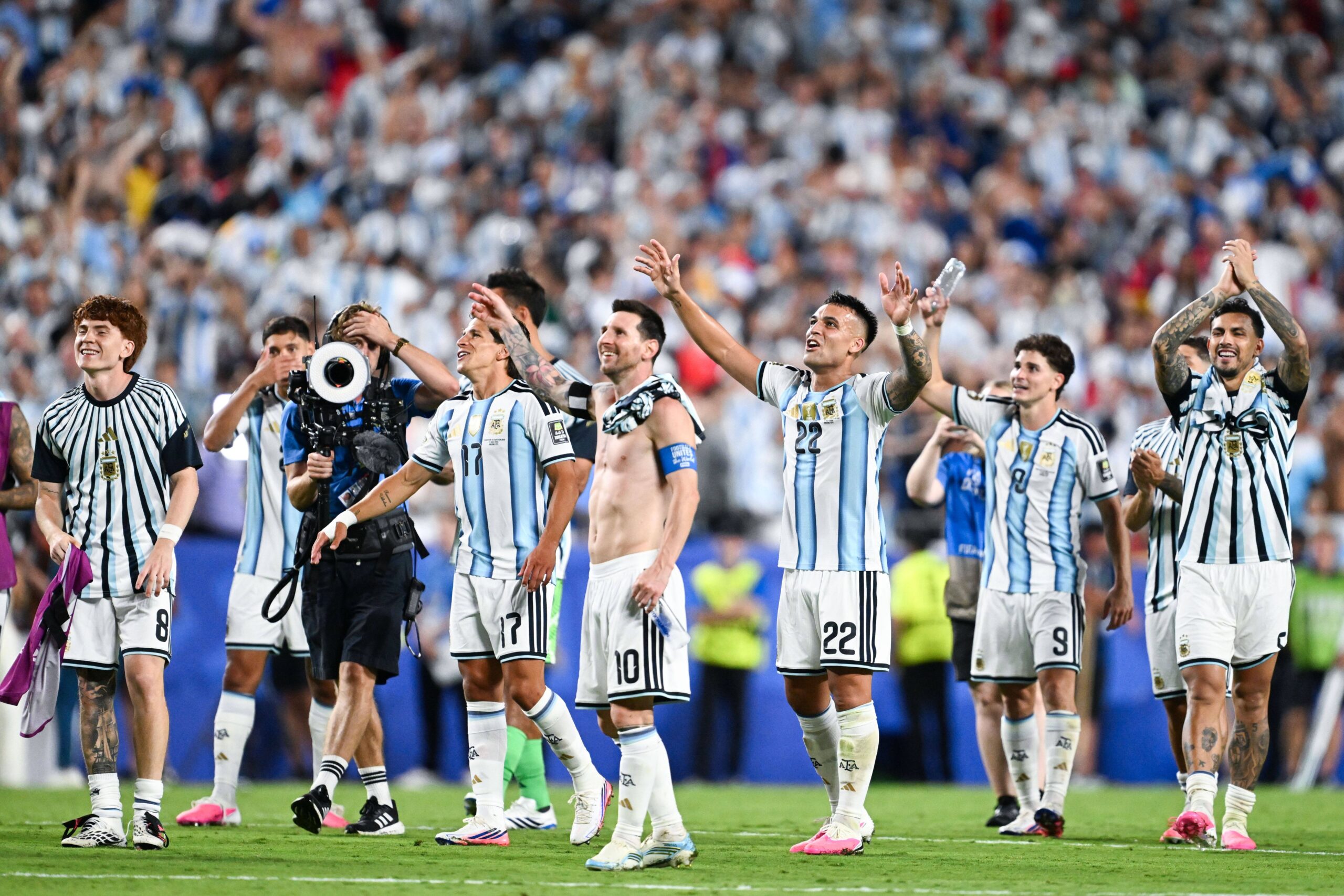
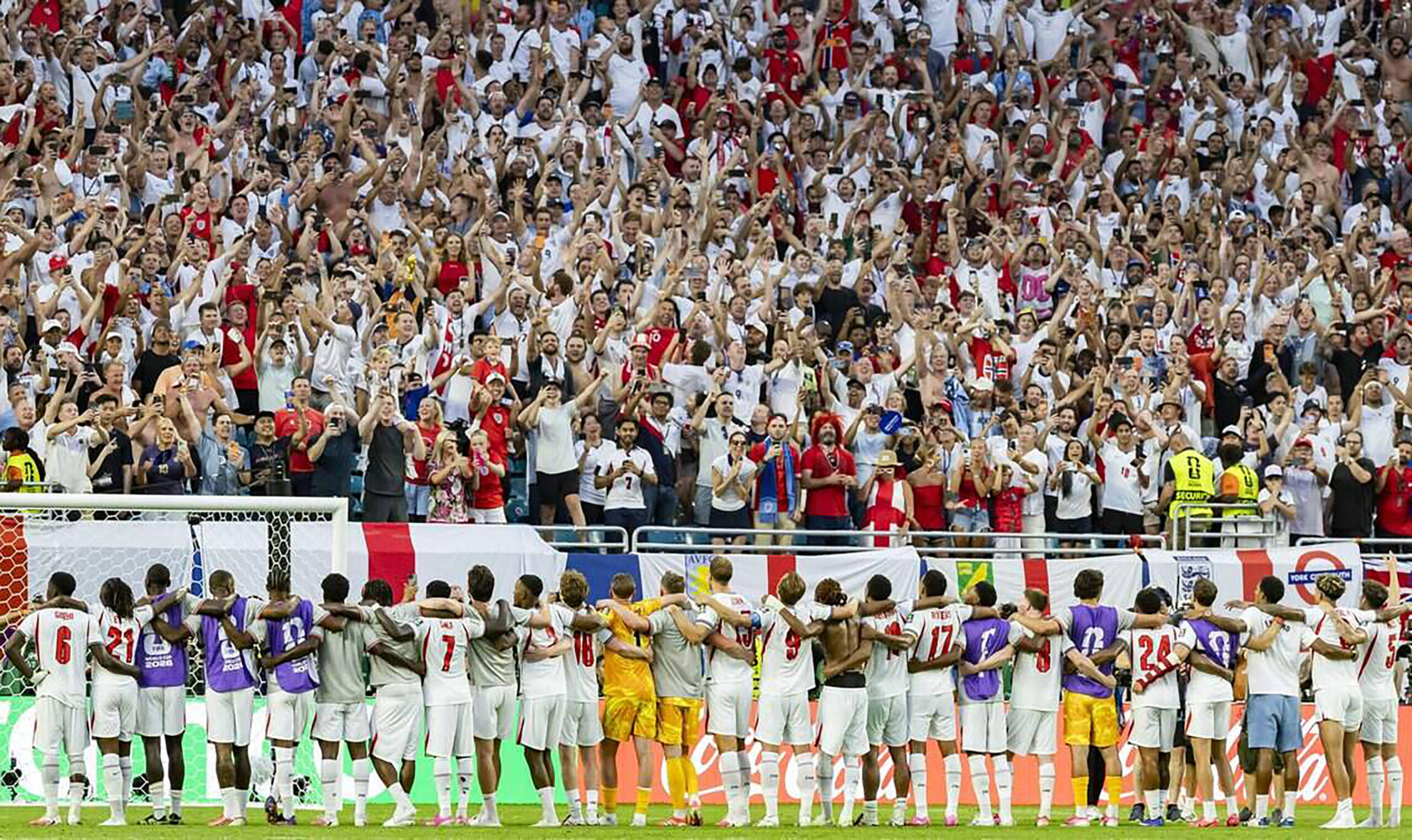
This year’s World Cup was an absolute sellout. In the group stage alone, 4,644,549 fans packed stadiums across the United States, Mexico, and Canada, filling 99.7% of all available seats. Each match drew an average of 64,508 spectators, while June 25 set the record for the highest single-day attendance in the tournament’s history, with 426,834 fans in the stands.
A quick geography lesson
Every World Cup doubles as a geography lesson. This time around, the beautiful game took us all the way to Fort Worth. On July 6, FIFA announced that a fan from Fort Worth became the 50,000,000th spectator in World Cup history. At the same time, the official FIFA Fan Festivals have already welcomed more than 5.5 million people, proving that the World Cup experience begins long before kick-off.
Record-breaking viewership numbers
Those who couldn’t watch their team in person certainly didn’t miss a minute on television. From Brazil to China, the World Cup proved that no time difference can stop a true football fan. In Brazil, the Seleção’s match against Morocco drew an average of 28.9 million viewers, with Globo recording 49.9 million unique users across all its platforms during the game. In China, despite the significant time difference, the tournament reached 205 million unique viewers on CCTV within just the first 41 matches. Because when the World Cup calls, fans in every time zone answer.
The North American effect
In North America, they may call it soccer rather than football, but the passion is exactly the same. More than 54 million viewers tuned in just for the opening matches of the three host nations, while the USA vs. Paraguay game became the most-watched soccer match in American television history, reaching 27.5 million viewers.
Beating jet lag at the World Cup
Behind every 90 minutes on the pitch, there’s a whole science at work. Spanning four different time zones, teams like England brought in “sleep doctors” and blue-light phototherapy glasses to keep jet lag firmly on the bench. Judging by their performances, the strategy seems to be paying off. Meanwhile, the official Adidas Trionda match ball sends live data to the VAR system, charges wirelessly, and offers six hours of battery life. Formula 1-inspired technology has also made its way onto the pitch through Adidas boots and vests featuring a special gel that can lower body temperature by up to 0.5°C within minutes.
One thing that becomes crystal clear at every World Cup is that history isn’t written by players alone. Just as Kylian Mbappé made history with a hat-trick in the 2022 final, the Estadio Azteca is preparing for its own unique hat-trick: becoming the first stadium ever to host a World Cup opening match for a third time, following 1970 and 1986. The record was set before the opening whistle even blew.
A celebration of football and inclusion
This year’s World Cup also shows that the world’s greatest football festival can be more open and more inclusive than ever. All 16 stadiums have introduced Sensory Rooms — soundproofed spaces equipped with noise-cancelling headphones and low lighting, designed for fans with autism or sensory processing differences. Because an event of this scale should have room for everyone.
A unique economic phenomenon
Of course, the World Cup is far more than a sporting event — it’s an economic phenomenon. With no need to build new stadiums thanks to the use of existing NFL venues, the tournament is estimated to inject $80.1 billion into the market, contribute $41 billion to GDP, support more than 820,000 jobs, and generate a record-breaking $11 billion in revenue for FIFA. In other words, the ball isn’t just rolling on the pitch — it’s rolling the economy too.
And since we’re talking about a tournament hosted in America, a little over-the-top flair was always going to be part of the deal. Estimates suggest more than 15 million hot dogs will be consumed — enough, if laid end to end, to stretch from New York to Miami — along with a quantity of beer equivalent to three Olympic swimming pools. A kind of excess that perfectly matches the scale of the occasion.
In the end, every World Cup leaves behind something greater than a final scoreline. It leaves stories that become conversations, moments that become memories, and a heartbeat that unites fans across the globe. That’s the magic Stoiximan puts the spotlight on: at the FIFA World Cup, every single moment is world-class.