OTE Group is moving forward with the adoption and pilot implementation of new, flexible employment models, according to an official announcement by the Group, describing the initiative as “another step toward creating a modern, people-centered work environment.” As stated in the announcement: “The new possibilities in employment organization have as their primary goal the facilitation of employees’ daily lives and the achievement of a healthy work-life balance. They are voluntary and each is applied for a specific period of time, taking into account operational needs. The flexible employment models have been developed in collaboration with employee representatives and form the content of a relevant Enterprise Collective Labor Agreement.”
The new flexible employment models will be piloted in the IT and HR business units
The opportunity to utilize the new flexible employment models will initially be launched as a pilot program within the IT and HR Business Units, with the goal of evaluating their expansion to all OTE employees by the end of the year. For specific periods of time and in accordance with their individual needs, employees will have the option of:
• distributing their daily schedule between physical presence and remote work, while maintaining the standard eight-hour workday and 40-hour work week,
• a four-day, ten-hour work arrangement, maintaining the 40-hour weekly schedule while receiving one additional rest day,
• flexible distribution of working hours throughout the week, with the ability to accumulate working time and use it at a later date as additional leisure leave,
• remote work from any country within the European Union, utilizing an additional percentage of teleworking beyond the existing framework,
• a temporary reduction of daily working hours by up to four hours per day, with a corresponding proportional adjustment of compensation.
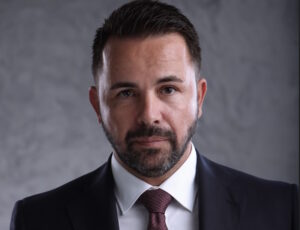
On the occasion of introducing the new flexible employment models, Mr. Panos Tsiantoulas, Chief People Officer of OTE Group, stated: “At OTE, we believe that a modern work environment is built on trust, flexibility, and respect for people’s needs. We are testing new flexible employment models, giving our employees the ability to better organize their time and daily lives, while maintaining high levels of collaboration, accountability, and effectiveness. We continue to evolve together with our people, investing in practices that respond to today’s needs and shape a modern employment environment.”
In parallel, and in agreement with employee representatives to further strengthen the existing regulatory framework, the Anti-Violence and Harassment Policy was also incorporated into the Internal Personnel Regulations, with the signing of a relevant Enterprise Collective Labor Agreement.