The Turkey-Libya maritime memorandum was unanimously approved on October 20 by the House of Representatives of Eastern Libya, marking a significant shift in the stance of a political institution that had previously rejected agreements with Turkey. Behind the scenes of this decision lies the removal of Aguila Saleh from the parliamentary speakership, Ankara’s rapprochement with the family of Khalifa Haftar, and reports of pressure being exerted on the eastern Libyan leadership. The development has triggered strong reactions in Athens, which maintains that the 2019 agreement violates the International Law of the Sea and creates no legitimate rights against third-party states.
Read also: A flurry of diplomatic moves by George Gerapetritis amid the illegal Turkey-Libya memorandum — in direct contact with the foreign ministers of Cyprus and Egypt
Turkey-Libya memorandum: The change in parliamentary leadership
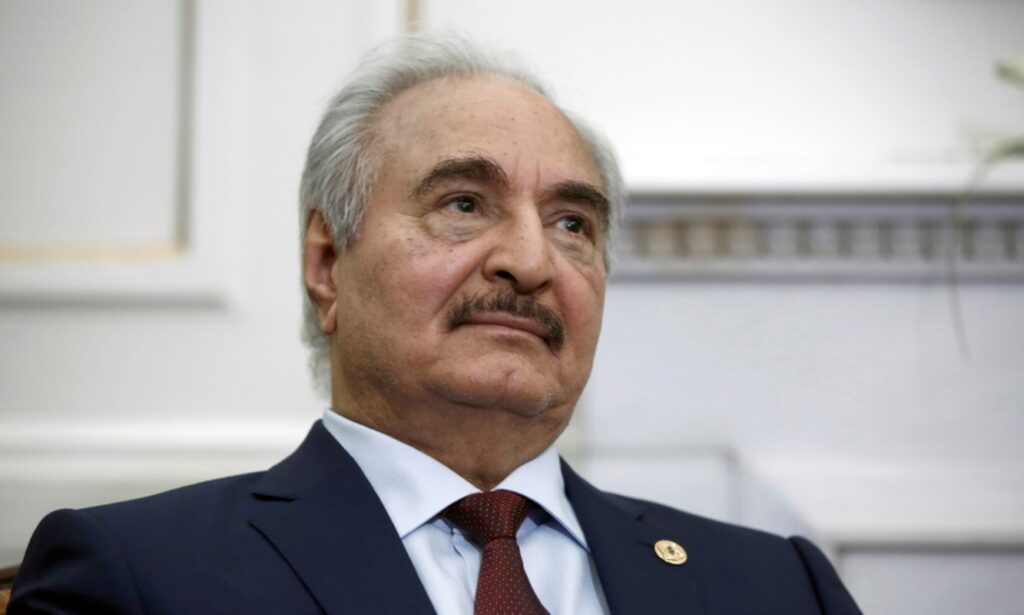
A pivotal development was the removal of Aguila Saleh from the presidency of the Libyan House of Representatives on October 6, after nearly twelve years in the post. Saleh had opposed ratification of the agreement and, according to available reports, had been under pressure to bring it to a vote. He was succeeded by Al-Salhin Abdul Nabi, who had previously chaired the Libya-Turkey parliamentary friendship committee. The leadership change took place just two weeks before the agreement was approved. Reports indicate that the camp of Saddam Haftar, the field marshal’s son, played a key role in ousting the former speaker.
Ankara’s contacts with the Haftar family
Turkey had provided military support to the Tripoli-based government during the Haftar forces’ offensive in 2019–2020. In recent years, however, it has sought to build ties with eastern Libya as well. Reports published on October 15, citing security sources in Benghazi, stated that Turkish officials were pressuring Saddam Haftar to push the ratification forward. Central to this outreach were the contacts between Turkish intelligence chief Ibrahim Kalin and the Haftar camp, as well as his visit to Libya on the day of the vote. The Libyan parliament cited anticipated strategic, economic, and political benefits, while revoking previous 2020 resolutions that had rejected agreements with Ankara.
Athens’ response and the road ahead
The Greek Ministry of Foreign Affairs rejected the decision, reiterating that the agreement is illegal, null, and void. “Geography and international law do not change through unilateral, legally unfounded decisions,” it stated emphatically. Greece’s position rests on the assessment that the agreement disregards the maritime zone rights of Greek islands and is inconsistent with established delimitation rules. The parliamentary ratification strengthens Ankara’s political position within Libya, without resolving the underlying international legal dispute. It remains to be seen whether this new dynamic will affect future energy activities and negotiations in the Eastern Mediterranean.