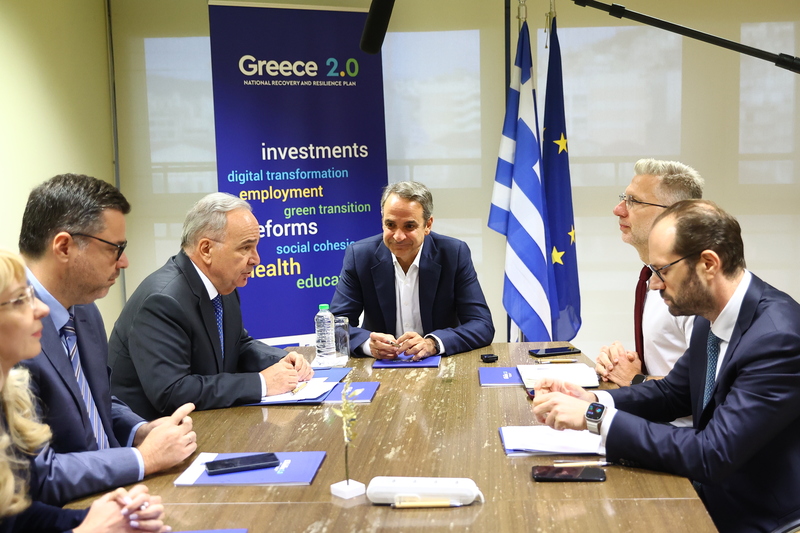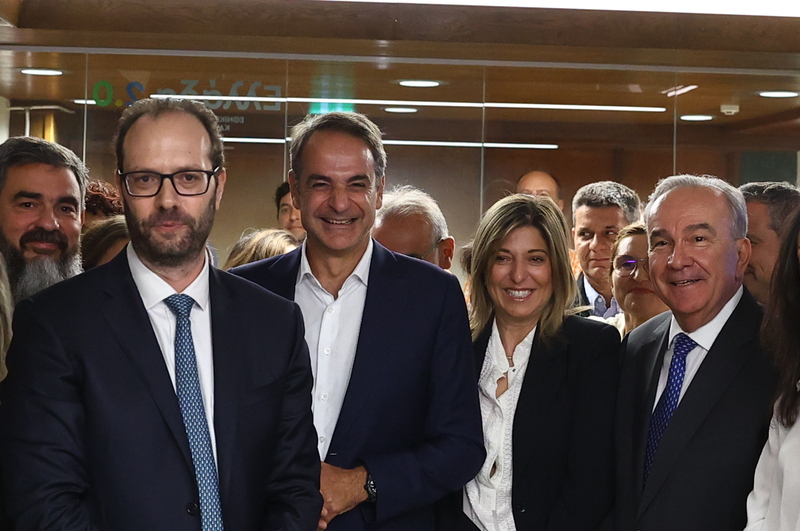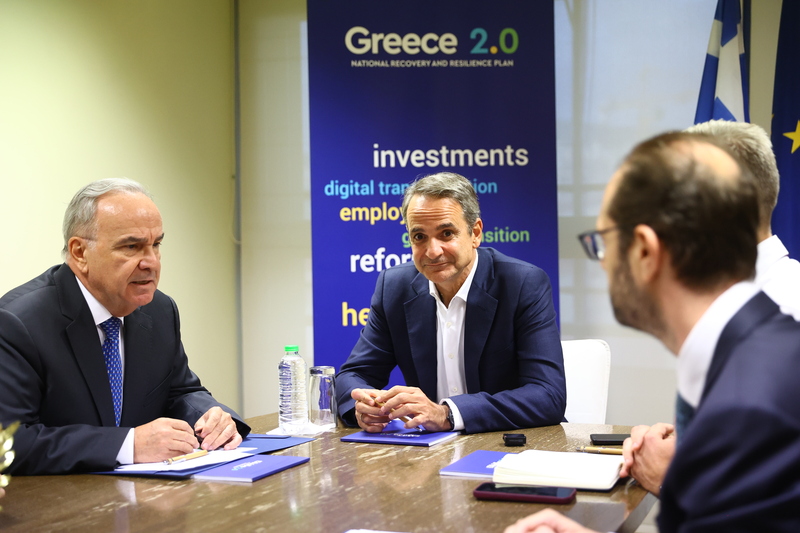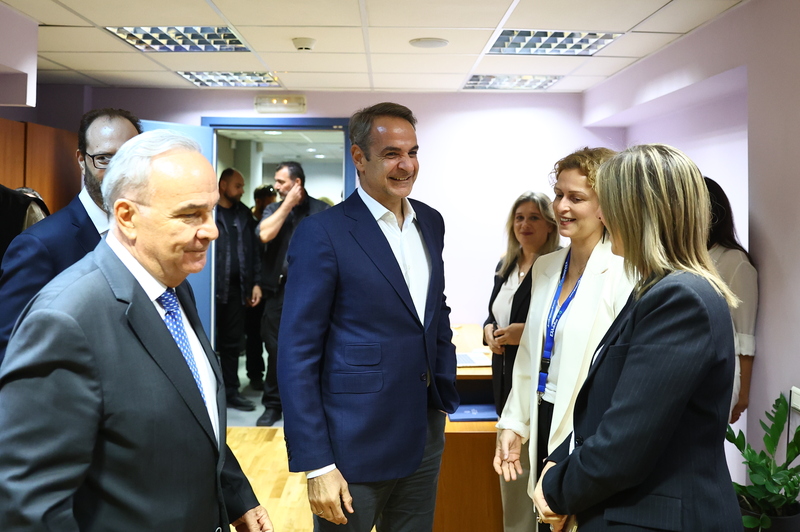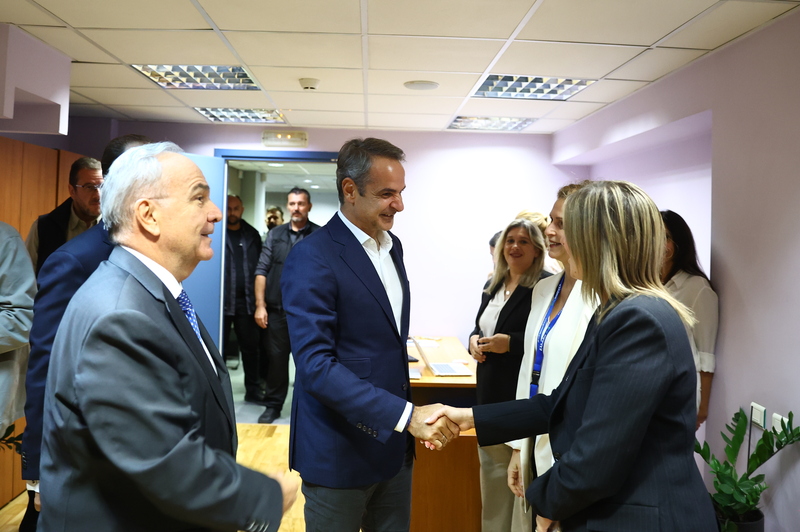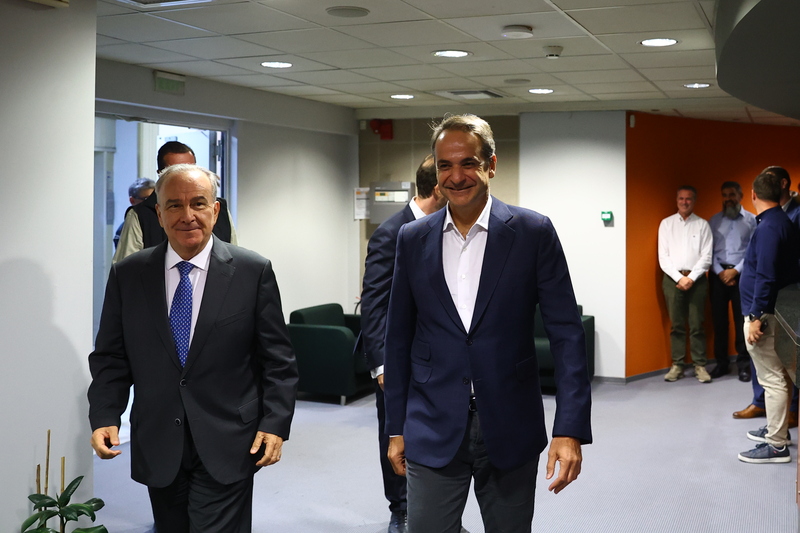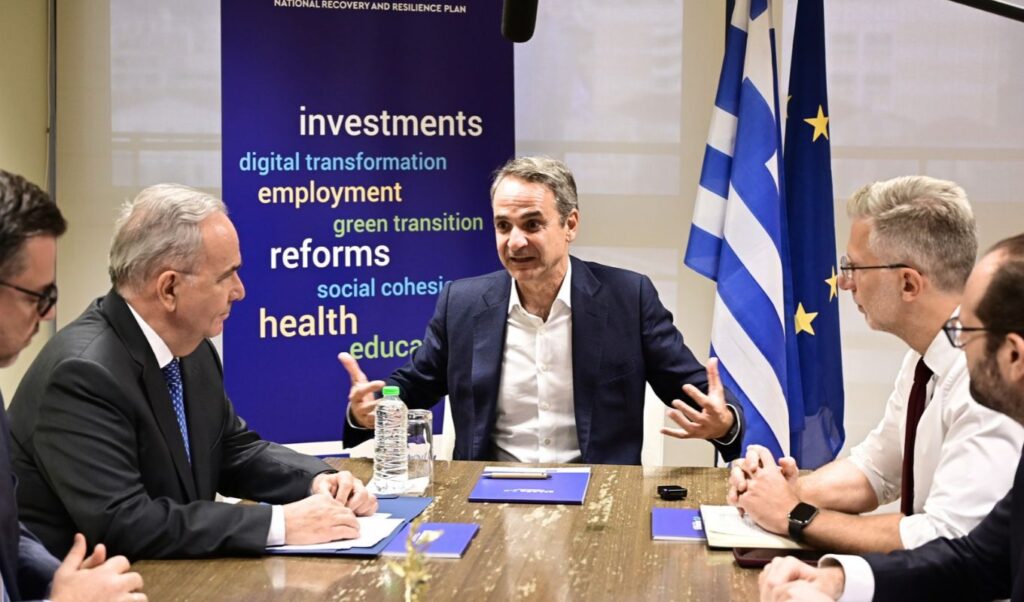
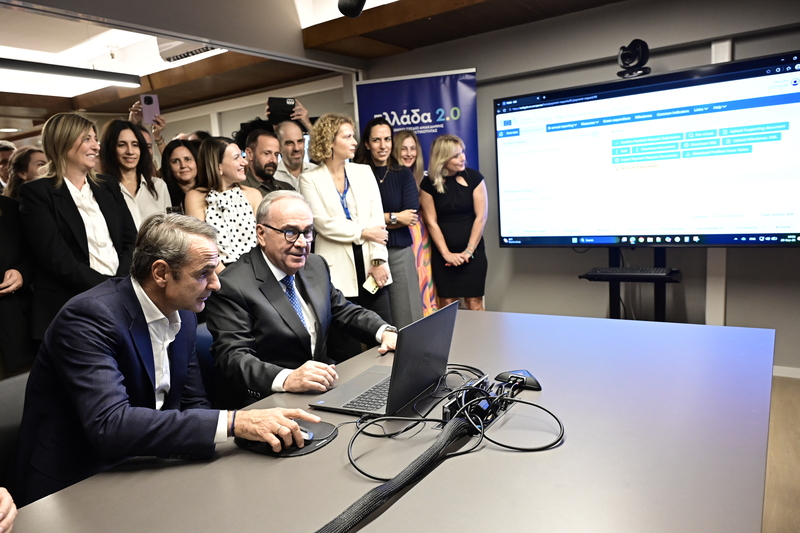
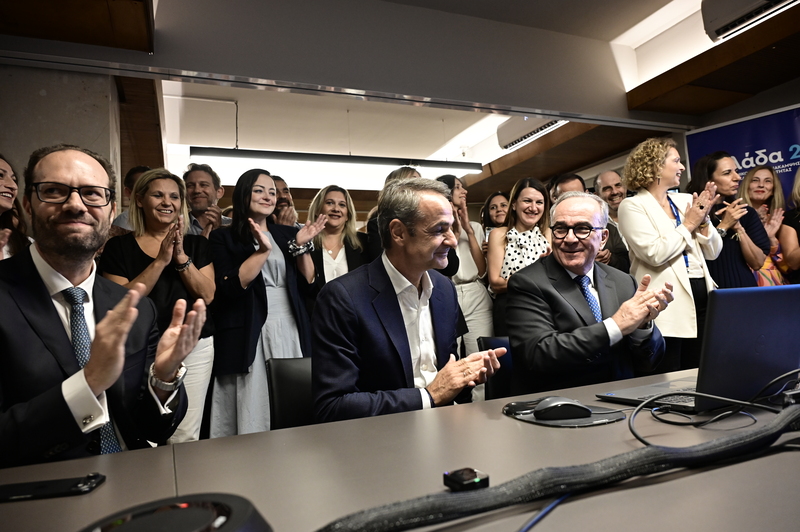
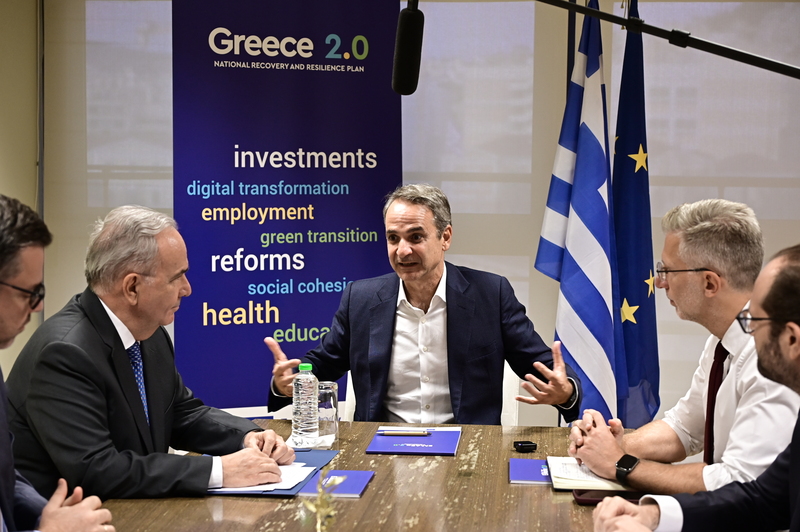
Greek Prime Minister Kyriakos Mitsotakis visited the offices of the Special Coordination Service for the Recovery Fund on Panepistimiou Street on Tuesday afternoon (29/09). The prime minister’s visit coincided with the submission of the final payment request under the Recovery Fund, marking the conclusion of a multi-year cycle for Greece’s “Greece 2.0” national recovery program.
Mitsotakis speaks on the Recovery Fund
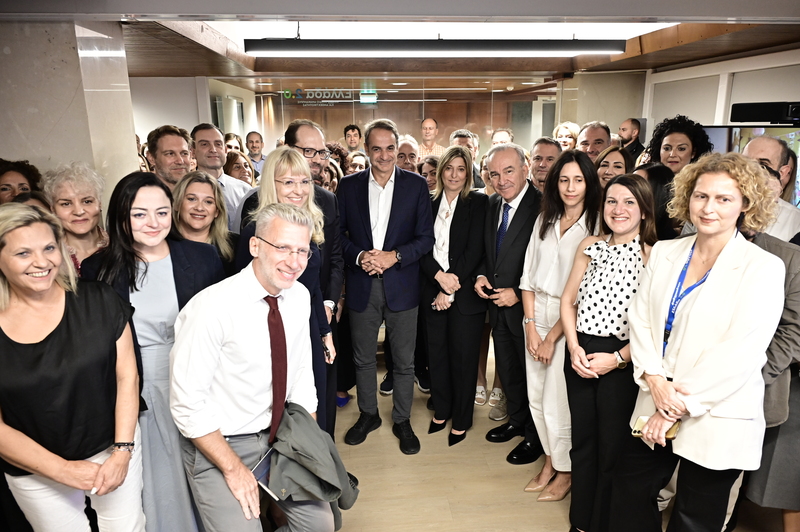
Addressing the agency’s staff, the prime minister thanked them for their years of dedicated work and their contribution to implementing the program under extremely tight deadlines. Looking back at the program’s origins, Kyriakos Mitsotakis recalled the five days of negotiations in Brussels that led to the creation of the Recovery Fund, noting that Greece secured significant European support relative to the size of its economy.
He emphasized that once the agreement was reached, “the hard work began” — designing the Greek program, building the necessary structures, and establishing the dedicated Recovery Fund agency, without which, he said, it would have been impossible for the country to reach this milestone.
The prime minister paid special tribute to the agency’s staff, noting that he had followed the progress of this “titanic endeavor” on a daily basis, fully aware of the relentless deadlines that had to be met.
He also highlighted the institutional knowledge and expertise gained by the public administration through the implementation of the Recovery Fund, describing it as a valuable legacy for leveraging future European funding programs. “We are now in a position to press the button,” the prime minister said, once again expressing his gratitude to the agency’s team for their contribution.
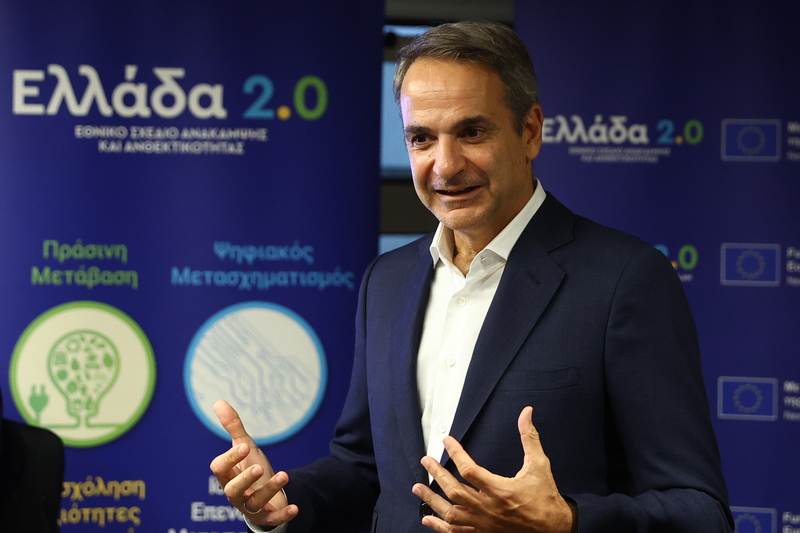
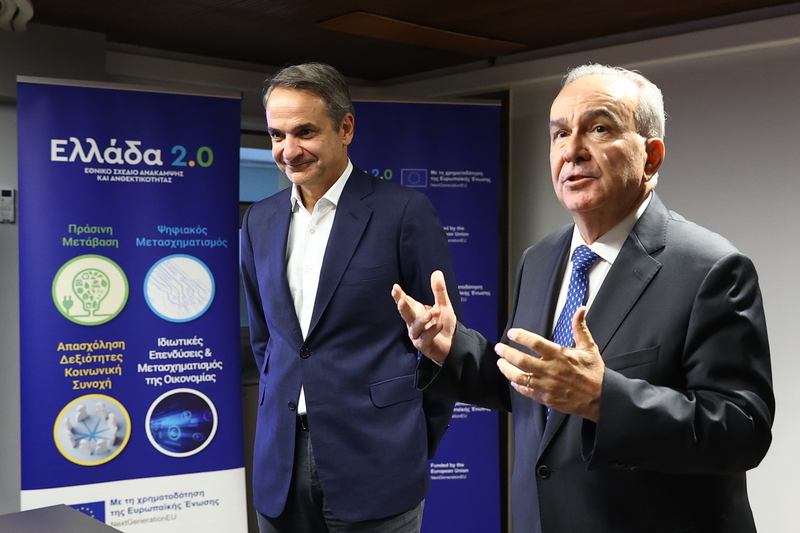
Papathanasis: “Greece 2.0” brings €35.95 billion in European funding to the country
Deputy Minister of National Economy and Finance Nikos Papathanasis stated that the final payment request submits 123 milestones and targets for assessment, paving the way for the disbursement of €6.75 billion. He noted that with the completion of a total of 376 milestones and targets — corresponding to 176 investments and reforms — the “Greece 2.0” program brings €35.95 billion in European funding to the country.
Papathanasis also referred to the loan component of the Recovery Fund, noting that through it, €46 billion in financing is being mobilized for businesses in the form of low-interest loans.
He further stressed that Recovery Fund resources are being directed toward projects and interventions covering infrastructure, healthcare, education, digital transformation of the state, and social cohesion, as well as investments and new job creation.
The deputy minister described the moment as the conclusion of a “long journey,” highlighting the contribution of the Special Service’s staff, the broader public administration, institutional bodies, and the private sector in delivering the program. “The Recovery Fund leaves behind completed projects, meaningful reforms, and a precious legacy for the Greece of 2030,” Papathanasis said.