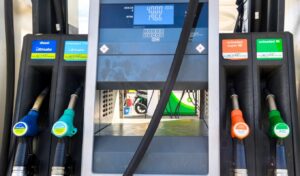
The government is facing an early and exceptionally difficult winter, as the new surge in energy prices is breaking through the defensive line drawn at the Thessaloniki International Fair and threatening to derail plans for a second wave of support measures in spring 2027. The rekindling of tensions in the Middle East has pushed Brent crude oil prices above the psychological barrier of $100 per barrel, triggering a domino effect of price increases across fuels, transportation, production costs, and consumer goods.
This represents a new wave of inflation that the economic team cannot afford to ignore — especially during a pre-election period. And if oil is the first warning bell, natural gas is the second. The price per megawatt-hour on the European market has climbed to €80, reaching particularly elevated levels, driving up electricity generation costs. This, in turn, is expected to lead to higher electricity bills for consumers in the coming months, effectively eroding the benefits of the tax relief measures and other interventions announced in Thessaloniki. The new landscape is forcing the government to reassess the measures already in place and prepare for the possibility of additional interventions, should the energy rally persist and prove sustained.
The goal: curbing the new inflation wave without depleting fiscal reserves too soon
Depending on the severity of the crisis, the options on the table may include an enhanced heating allowance, new interventions in electricity bills, and the continuation or expansion of fuel support measures. The economic team’s challenge is to contain the new wave of rising prices without exhausting fiscal headroom that may be needed later. Because the next critical battle is not just about this winter — it is also about spring 2027, when the government will be in the final stretch before elections and will need budgetary space for a fresh round of benefits.
This is where the second part of the equation comes in. Budget execution is tracking better than initial forecasts, with tax revenues continuing to show resilience and the primary balance running above target.
The bar has been set high
This picture is creating a fiscal buffer that could be deployed if final figures confirm current estimates. The bar has now been set considerably higher than originally planned. The primary surplus target started at 2.8% of GDP, was subsequently revised to 3.2%, and current projections for the final 2026 outturn leave open the possibility of approaching 4% of GDP. If this estimate is confirmed, the difference will be no mere accounting detail — it would translate into a significantly larger fiscal space, potentially exceeding €10 billion at the primary balance level. Of course, not all of this amount automatically becomes available for spending measures. However, the greater the outperformance relative to the target — driven primarily by active tax evasion crackdown measures, which are treated as expenditure reductions in budget calculations — the greater the room for additional policy moves.
Originally published in MoneyPro by Parapolitika