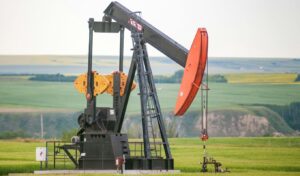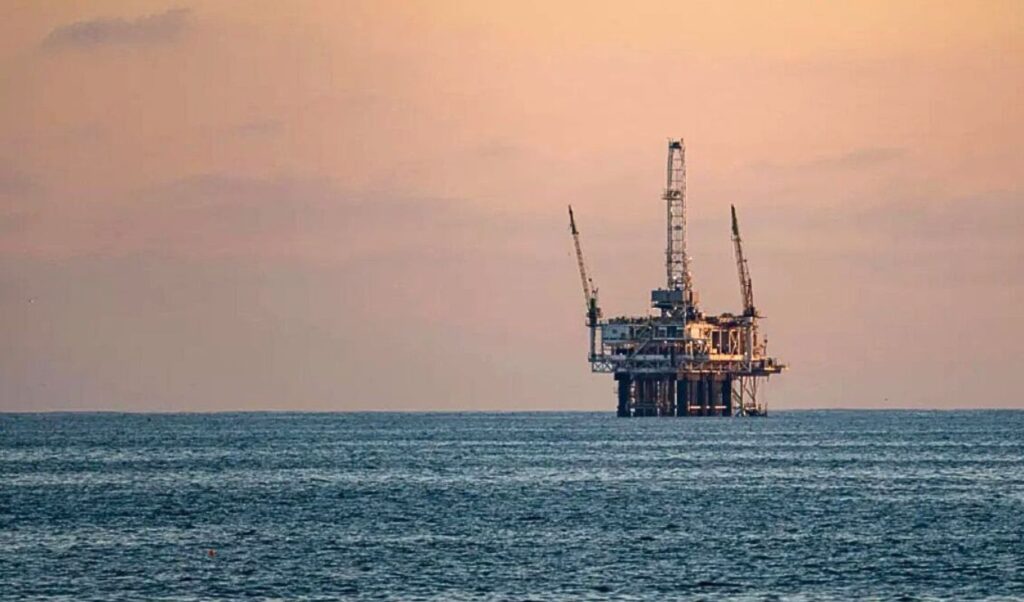
The price of Brent crude oil dropped significantly below the $80 per barrel threshold, touching an intraday low of $78.5 — a decline of more than 1%. Similarly, US West Texas Intermediate (WTI) fell toward $75, marking its lowest level since mid-July. The selloff has been attributed to intensifying speculation that a deal is near to restore safe navigation through the Strait of Hormuz, easing fears of disruptions to global oil supply.
Read also: Oil falls below $80 again — markets grow optimistic over Iran deal
Hopes for a deal over the Strait of Hormuz
The price decline was triggered by reports suggesting that Washington, Tehran, and Oman are engaged in advanced negotiations toward a temporary arrangement. The goal is to ensure the safe passage of commercial vessels and prevent further military escalation in the Middle East. Expectations were further boosted by US Treasury Secretary Scott Bessent, who hinted that a deal could be finalized in the near term. European forces are also reportedly being considered to assist in clearing sea mines from the area, which would help secure the strait more quickly.
With approximately 20% of the world’s oil supply and large volumes of liquefied natural gas passing through the Strait of Hormuz, the waterway represents a critical chokepoint for the global economy. Recent attacks had pushed Brent above $100 per barrel, but the positive turn in negotiations has stripped away the geopolitical risk premium, prompting investors to unwind positions.
This development has significantly improved sentiment across international markets, with the MSCI All Country World Index, the S&P 500, and the Dow Jones all hitting new all-time highs, driven primarily by gains in the technology sector. The US dollar and Treasury yields came under pressure, while gold rose on expectations that lower energy prices would help keep inflation in check.
Although falling oil prices offer relief to consumers and businesses by reducing transportation costs, analysts urge caution: if the talks collapse, prices could rebound sharply.