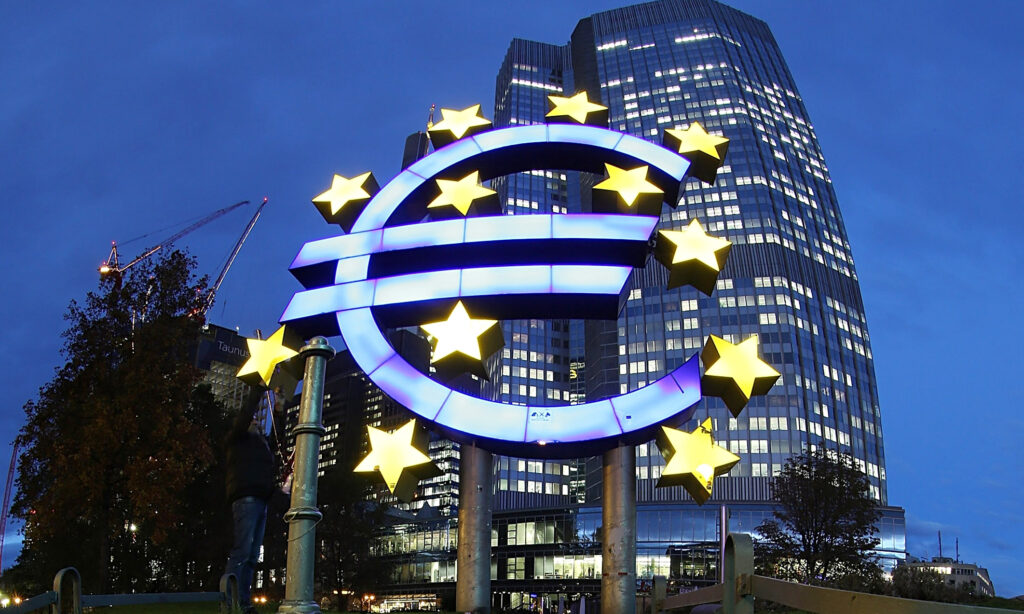
Leaving the door open for a potential rate hike in September, the European Central Bank kept its interest rates unchanged on Thursday, as a renewed surge in energy prices threatens to keep inflation well above its 2% target. The deposit facility rate remains at 2.25%, the main refinancing operations rate at 2.40%, and the marginal lending facility rate at 2.65%. The ECB had raised rates in June, effectively signaling that further moves were likely. Since then, however, a series of favorable data on prices, wages, economic activity, and inflation expectations reduced the urgency for an immediate new intervention.
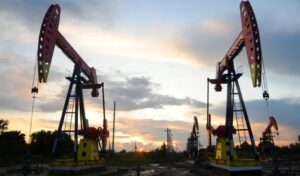
Pressures are mounting once again, however, as the ongoing crisis in the Middle East — following the renewed escalation of hostilities between the United States and Iran — has pushed oil prices close to $100 per barrel. Investors and economists believe the ECB may proceed with a rate hike at its next meeting in order to prevent the energy shock from spilling over into a broader wave of price increases.
At the same time, natural gas prices, which had remained relatively subdued in recent months, have risen to their highest levels in more than three years, further intensifying inflationary pressures.
“Uncertainty remains high and the full impact of the energy shock on inflation has not yet materialized,” the ECB said in a statement. It added that the Governing Council is closely monitoring the intensity and duration of the shock, as well as its indirect and second-round effects.
ECB: The outlook for energy prices
According to the central bank, the outlook for energy prices, despite significant volatility, is currently tracking close to the baseline scenario of the Eurosystem’s June projections — yet remains far above the levels recorded prior to the Middle East conflict.
Markets are pricing in approximately three more rate hikes over the next 12 months, with the first expected by October and the second by February.
These expectations appear to reflect primarily the trajectory of energy prices rather than the underlying fundamentals of the economy. Most economists surveyed by Reuters believe the eurozone will require significantly less monetary policy tightening to bring inflation under control, with price growth likely to hover near 3% in the coming months.
Against this complex backdrop, ECB President Christine Lagarde is tasked with striking a delicate balance between two conflicting messages: on one hand, making clear that policymakers remain concerned about price pressures and that further rate hikes are still on the table; on the other, avoiding further fueling market expectations, which have already priced in substantial tightening, as Reuters notes.
The primary reason the ECB can afford to be patient is that the long-feared second-round effects from rising energy prices have not yet materialized.
High energy costs tend to push prices higher across the economy and, in a second phase, prompt workers to demand higher wages — creating the risk of an inflationary wage-price spiral.
Inflation
So far, however, wage growth continues to slow, and the labor market appears relatively weak — particularly in Germany, the eurozone’s largest economy. Meanwhile, firms participating in ECB surveys anticipate even more moderate wage pressures ahead.
Consumers have also scaled back their expectations for future price increases, and detailed data provide little evidence of second-round effects. Services inflation, notably, slowed last month.
Furthermore, ongoing trade tensions, elevated energy costs, and China’s expansion into key European export markets are expected to continue weighing on eurozone industry in the years ahead, dampening demand for labor.
Despite this data, ECB officials stress that second-round effects may be smaller and slower to emerge, but have not been ruled out entirely. As such, the central bank must remain ready to act.
An additional risk comes from the extreme heatwave gripping much of Europe. The scorching temperatures may have damaged crops and could drive food prices higher, while low water levels in major rivers risk causing disruptions and delays in freight transport.