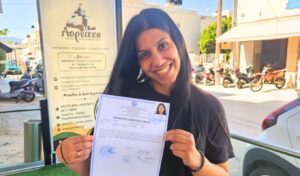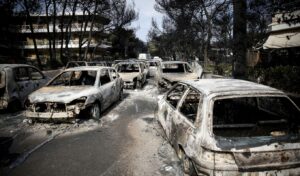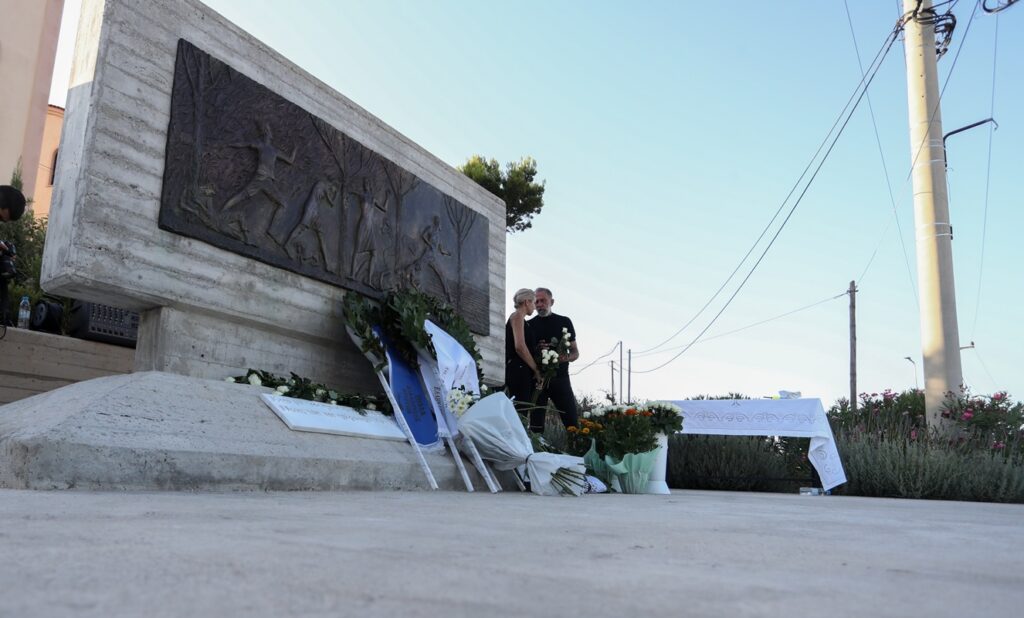
Eight years have passed since the deadly wildfire that devastated Mati, yet for those who lived through the tragedy, the memories remain vivid and the pain has never faded. Survivor and local resident Katerina Mala, speaking on the “Morning Routes” programme on ERTnews Radio 105.8, described the emotions that return every July, and argued that despite the legal proceedings that have followed, serious unanswered questions remain. As she stressed, the fight to uncover the truth and achieve full justice for the victims continues to this day.
Read also: Acropolis attack: 60-year-old suspect remanded in custody after stabbing American tourists
Ms. Mala noted that every anniversary of the tragedy brings back the same painful memories, adding that the rage survivors felt in the early years has since transformed into a persistent determination to ensure that what happened is never forgotten and that the pursuit of truth never stops.
Mati: “The moment you hear July, your soul starts to prepare”
The survivor described how she experiences the anniversary of the deadly fire each year, explaining that this particular time of year carries an immense emotional weight for all those who survived or lost loved ones.
“The moment you hear the word July, it’s as if your soul starts preparing for that specific day (…). What truly stays with you is the eight-year fight for the survival of the truth,” she said.
She emphasised that time has not lessened the burden of the tragedy, and that the need to keep the memory of the victims alive remains just as powerful as ever.
“Moral justice has not yet been served”
When asked whether she feels that moral justice has been achieved, Katerina Mala was unequivocal, insisting that serious unresolved issues surrounding the handling of the tragedy still remain.
“I can tell you that the fight is still very much open — just in recent days, the Association of Victims’ Relatives and Burn Survivors submitted a request to the Supreme Court Prosecutor’s Office to investigate how the bodies were handled. So we are not yet at the stage of talking about moral justice,” she said.
She went on to raise issues that, in her view, remain unresolved, pointing out that “right now there is a mass grave where an official document states that it contains 16 unidentified DNA samples — meaning 16 unidentified victims. There is a woman who was found drowned with burn injuries and was kept at the Schisto morgue for many months, until she was finally buried — and this woman is not mentioned anywhere.”
She also alleged that there were errors in the handover of remains to victims’ families, recounting testimony that was submitted to the court.
“There were mistakes — listen carefully — in the handover of remains to relatives. A family member testified in court that just a few days after burying their loved one, they received a call from the senior officer responsible for managing the bodies, informing them that they had received the wrong remains. He urged them not to go to the prosecutor, so as not to complicate things, and instead suggested that he would take two or three of his own people to the cemetery, exhume the body, and rebury the correct one (…). That man continued his career, received his promotions, and retired.”
Eight years after the Mati tragedy, these accounts serve as a stark reminder that beyond the legal proceedings, there are still families and survivors who believe that critical questions remain unanswered — and that the fight for full accountability is far from over.