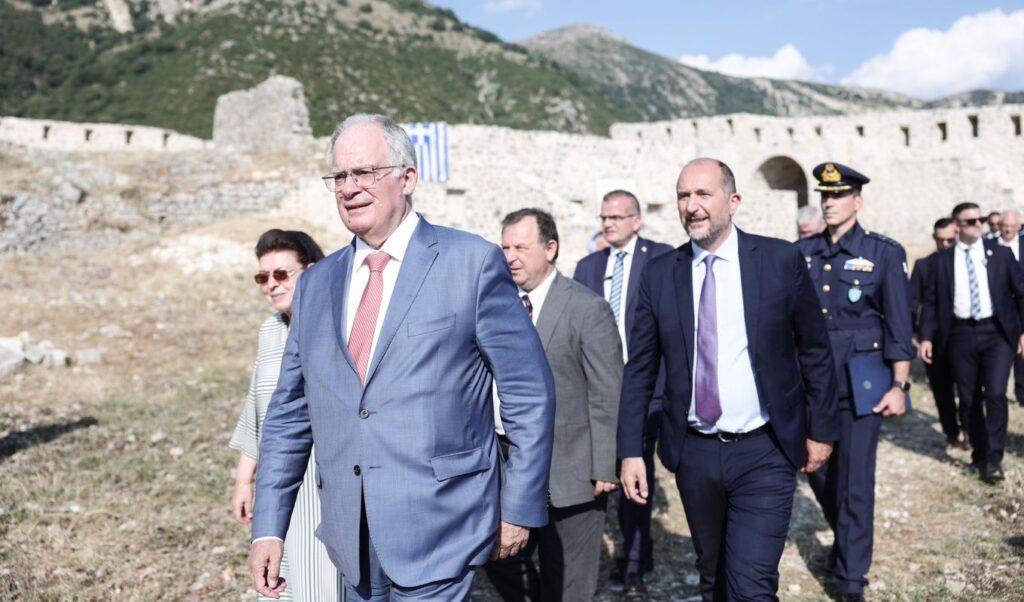
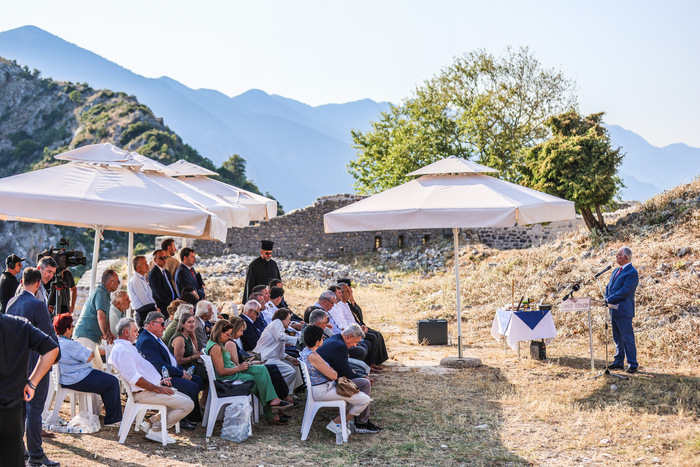
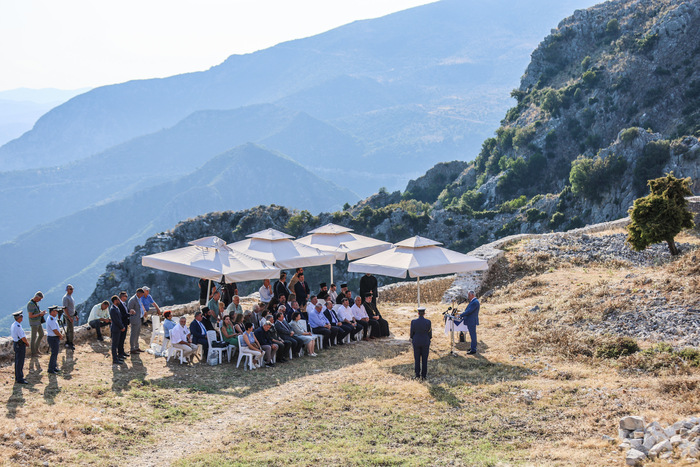
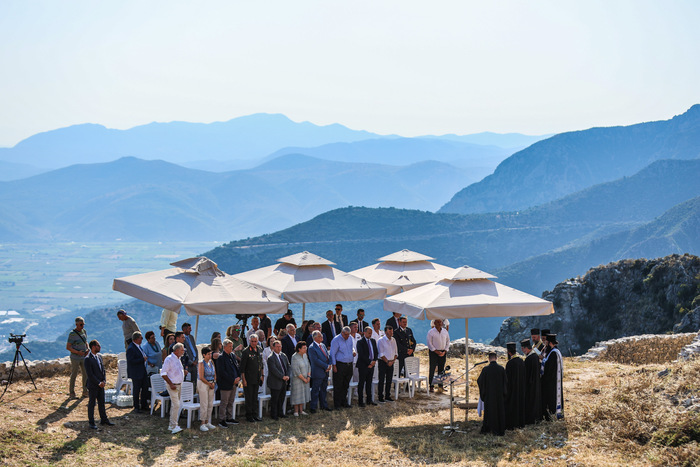
The President of the Republic, Konstantinos Tasoulas, visited Kiafa Castle in Souli and inaugurated the monument’s restoration and enhancement project, in the presence of Culture Minister Lina Mendoni, Epirus Regional Governor Alexandros Kahrimanis, Souli Mayor Athanasios Ntanis, Filiates Mayor Paraskevas Vlachos, and MP Vasilis Giogiakas.
Read also: Konstantinos Tasoulas in Ioannina for the feast of Saint Marina: “A glorious day for the city, culture and Christianity” (Images & Video)
Konstantinos Tasoulas at the inauguration of the restored Kiafa Castle: “It allows us to rediscover our history”
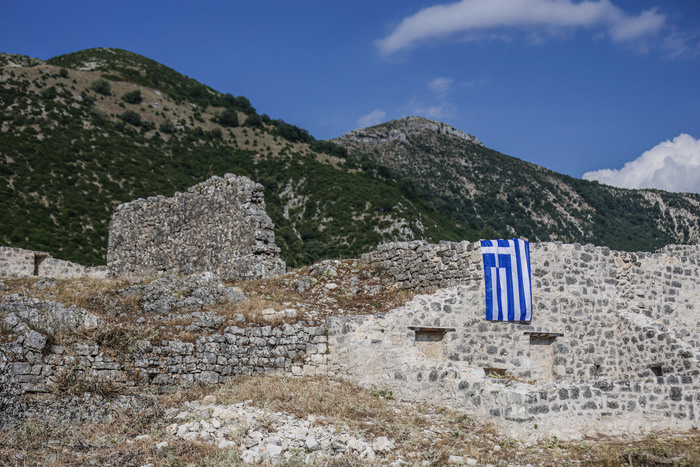
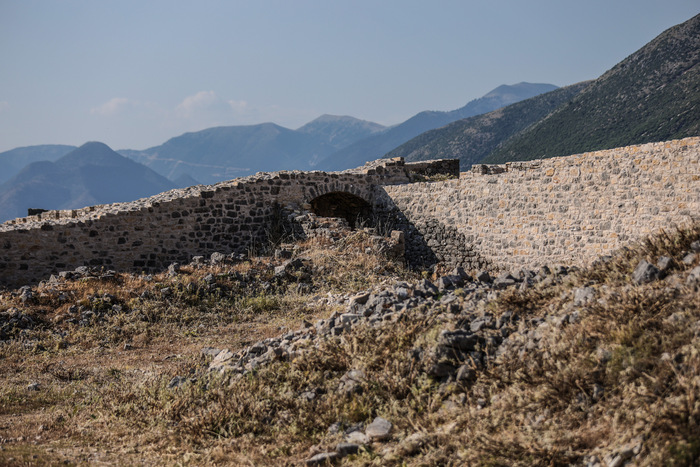
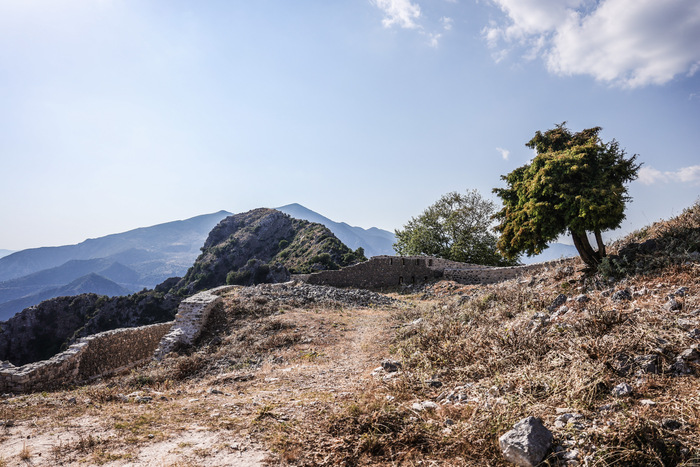
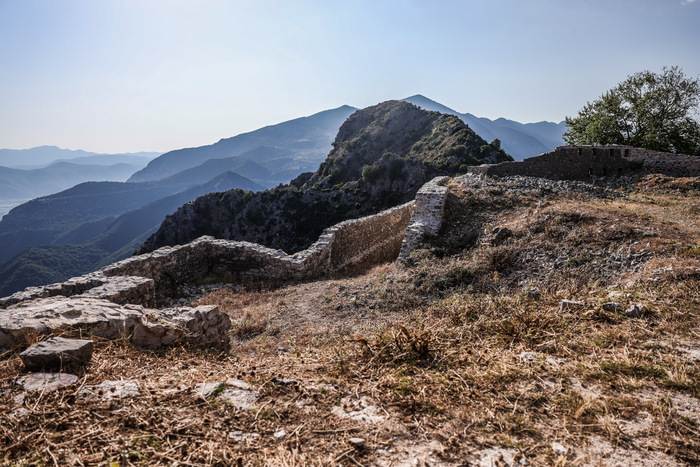
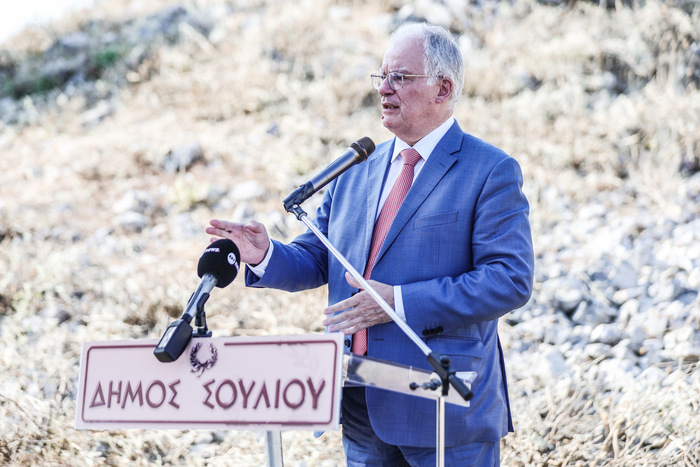
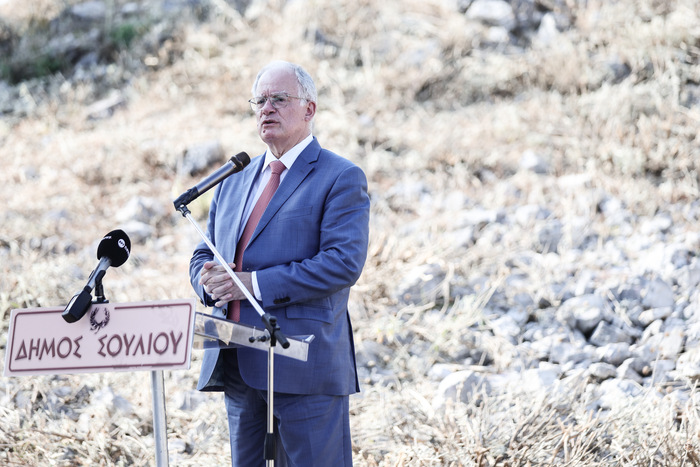
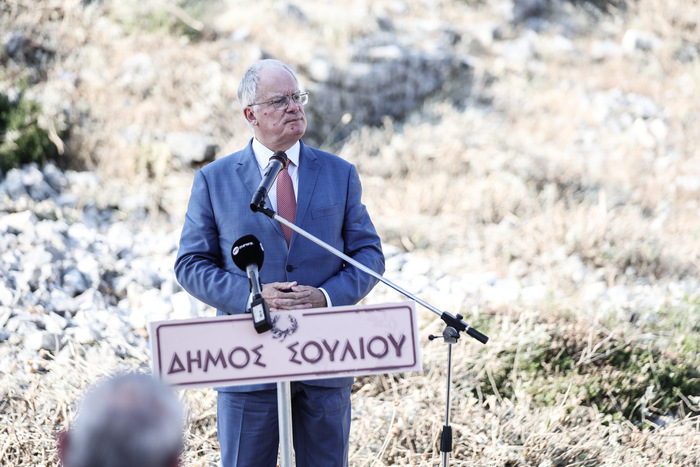
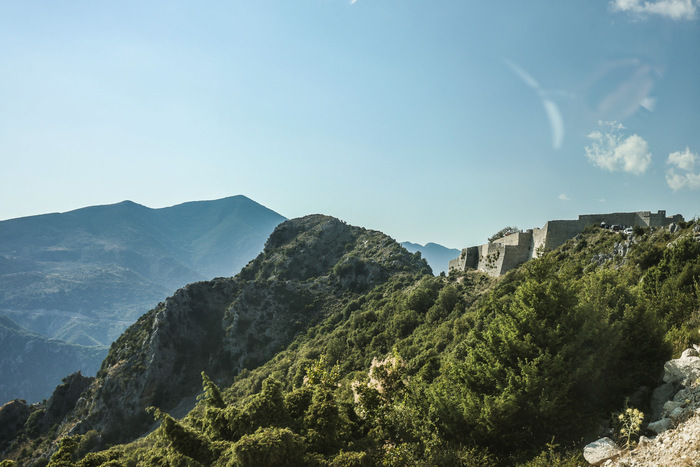
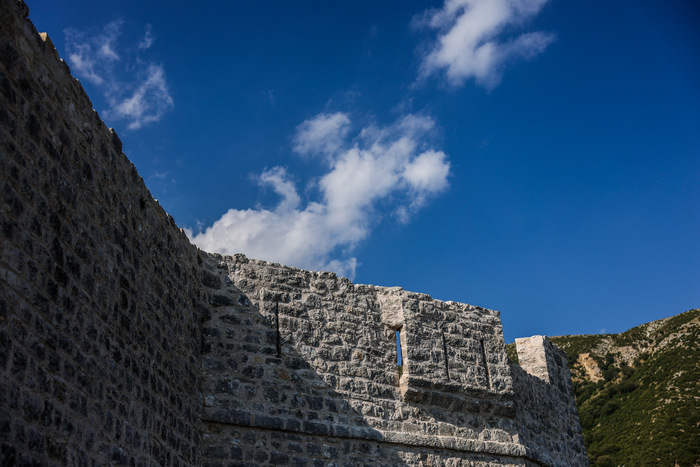
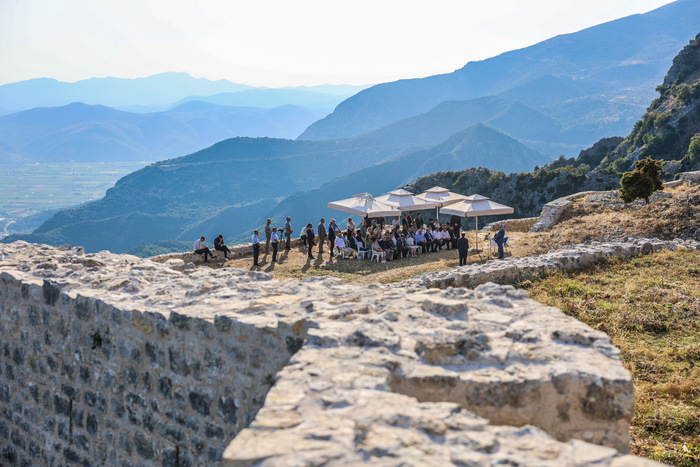
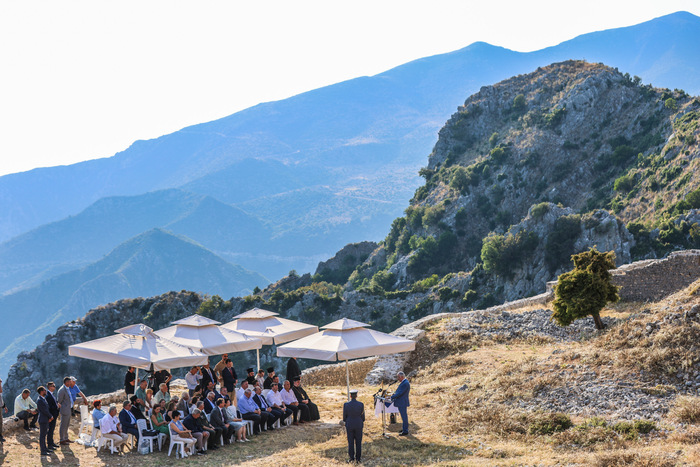
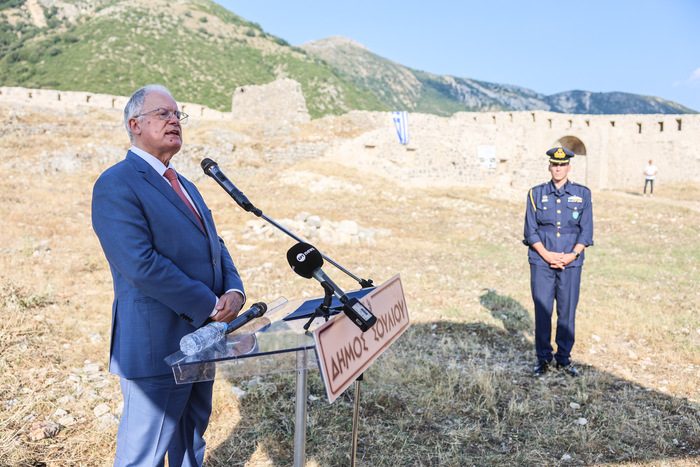
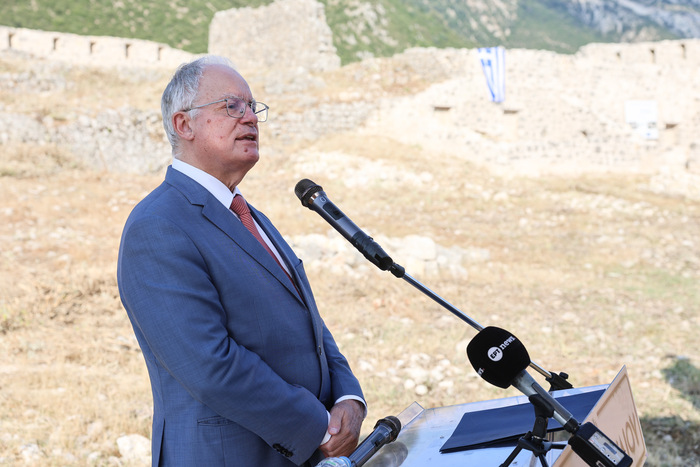
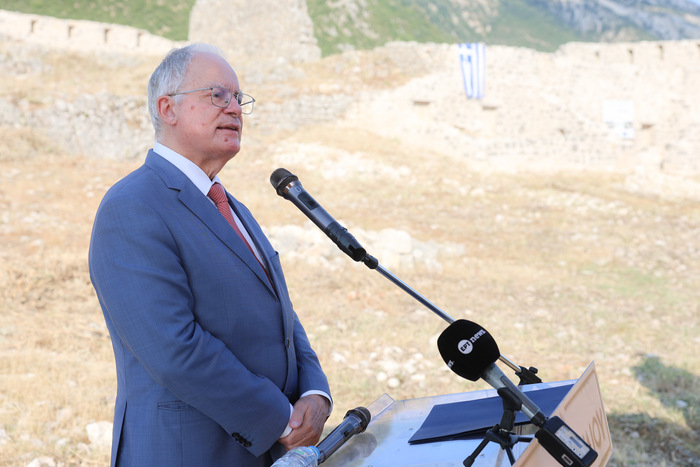
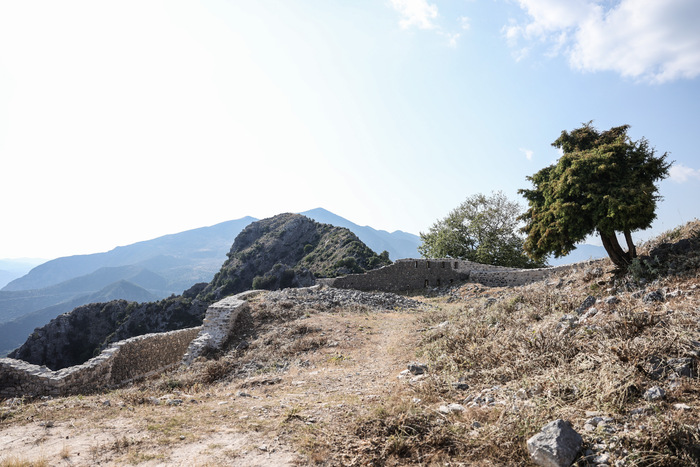
In his address, President Tasoulas emphasized, among other things, that “In the rugged and remote landscape of Souli, Kiafa has for centuries been a symbol of resistance, autonomy and lofty spirit. It is the place where the Souliots organized their defense, shaped their unique communal freedom — a warrior democracy, as I called it — and made history. It is one of the most heroic fortified settlements of the autonomous Souliot Commonwealth, a pan-Hellenic symbol of the courage, heroism and resistance of the indomitable Souliot spirit. It stands opposite Kougi, where in December 1803, Samuel and a handful of Souliots chose death over surrender, blowing up the monastery’s powder magazine.” He further stressed that “The restoration of Kiafa Castle, which we have proudly witnessed today, allows us to rediscover our history as a tangible, concrete reality,” adding that “This imposing fortress, perched at the edge of a world unto itself, covering the entire summit with its arched entrances, polygonal bastions, perimeter battlements, gun embrasures, buttresses, wall drainage channels and the infamous boiling-water chutes, reveals a mode of warfare in which endurance and perseverance were just as important — if not more so — than weapons. A military tactic in which the enemy’s numerical superiority was offset by knowledge of the terrain, speed, surprise and agility.”
In the same vein, he argued that “the restoration of Kiafa Castle, intertwined with the broader promotion of Souli’s historical identity and the next steps envisioned by the Ministry of Culture, is an act of respect toward a natural monument that is, above all, a monument to freedom. And such monuments to freedom we are duty-bound to honor, to protect, and to always bear in mind that our survival for more than three thousand years on this soil — in this region now called Greece — is itself remarkable, in the sense that Seferis gave to that word.” As he explained, “if one examines and studies history, one will see that this remarkable people, this stubborn people, with all their individualism, their gifts and their weaknesses, ultimately know, in times of hardship, how to overcome obstacles, stand tall and continue their journey in a land that is low-lying, surrounded by mountains, and with little water.” In closing, he noted that “Symbolically, this means that the land does not offer a rich environment of material abundance — yet we have an abundance of love for freedom, for progress, for prosperity. And it is this abundance — this spiritual abundance — that has carried us to this point. As President of the Republic, I am bound to invoke this spiritual abundance to affirm that, just as our past has been worthy of attention, respect and honor, so too can our present and our future prove equally worthy.”
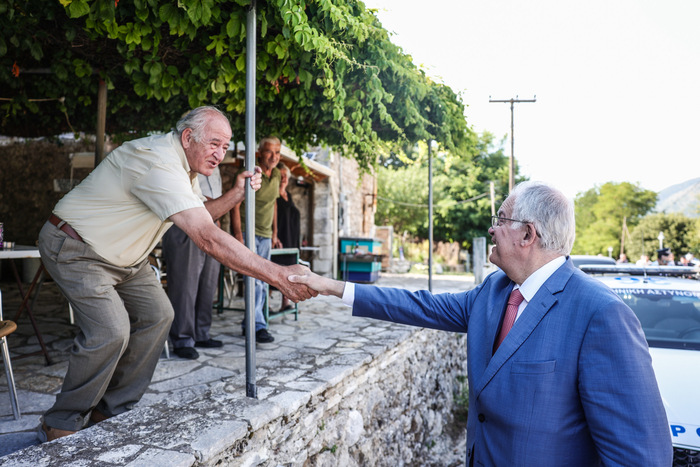
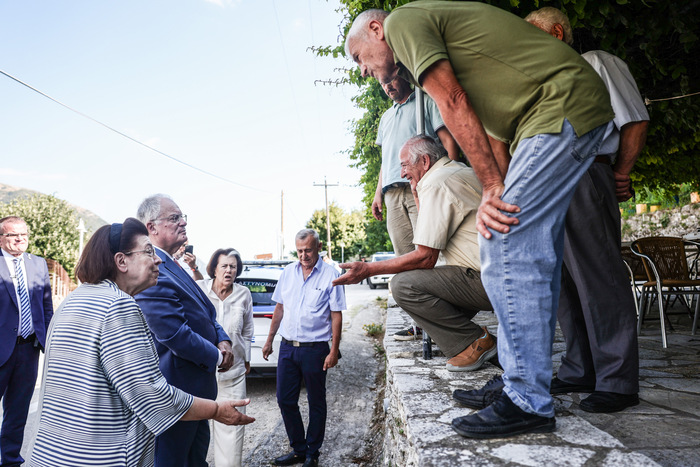
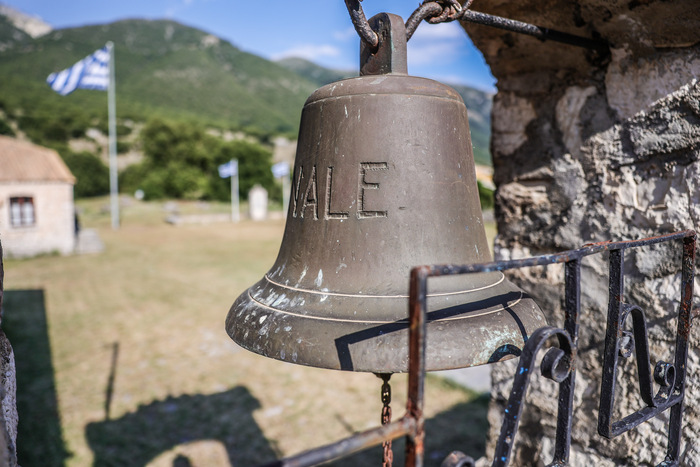
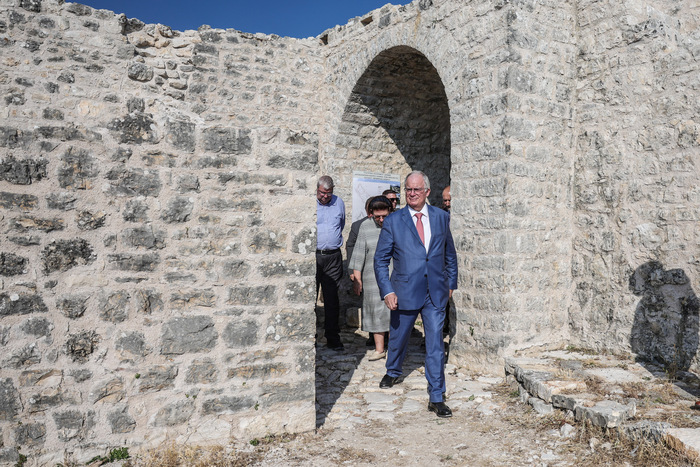
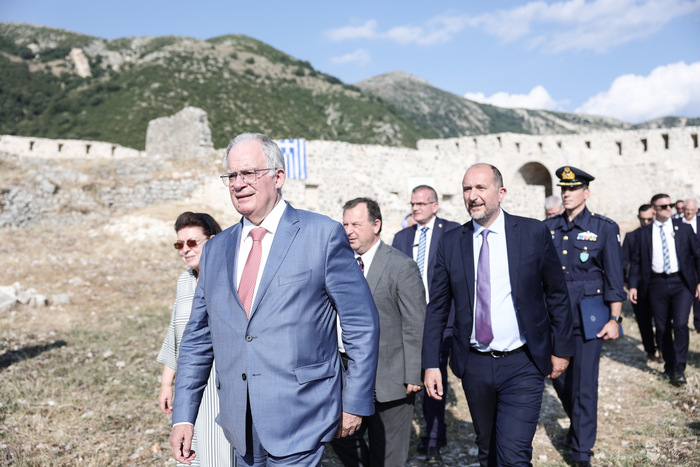
Immediately afterward, President Tasoulas was given a guided tour of the restored Kiafa Castle monument by Ioannis Chouliaras, Head of the Ioannina Ephorate of Antiquities. Earlier, the President of the Republic had visited the Memorial at the historic site of Souli, where he held a brief exchange with members of local cultural associations.
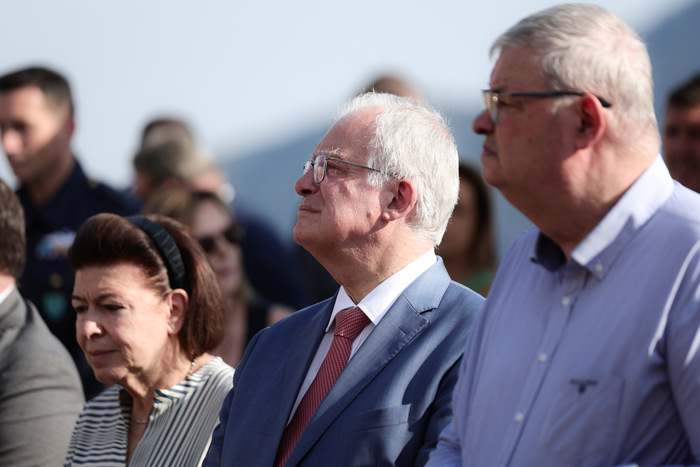
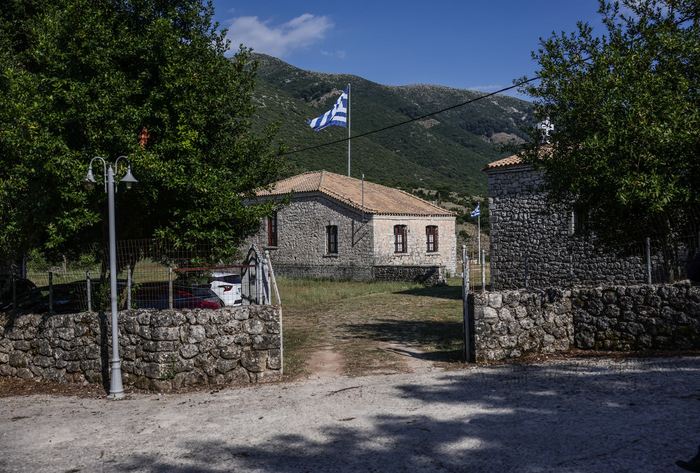
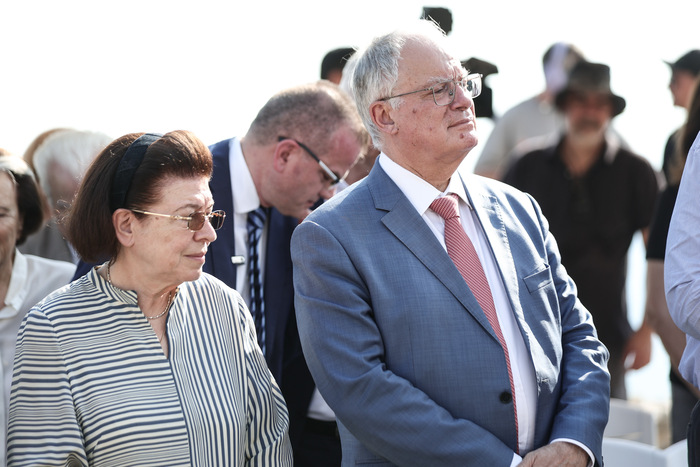
See photos from Konstantinos Tasoulas’s visit to the restored Kiafa Castle monument:
Konstantinos Tasoulas’s full address
“Dear friends,
Looking