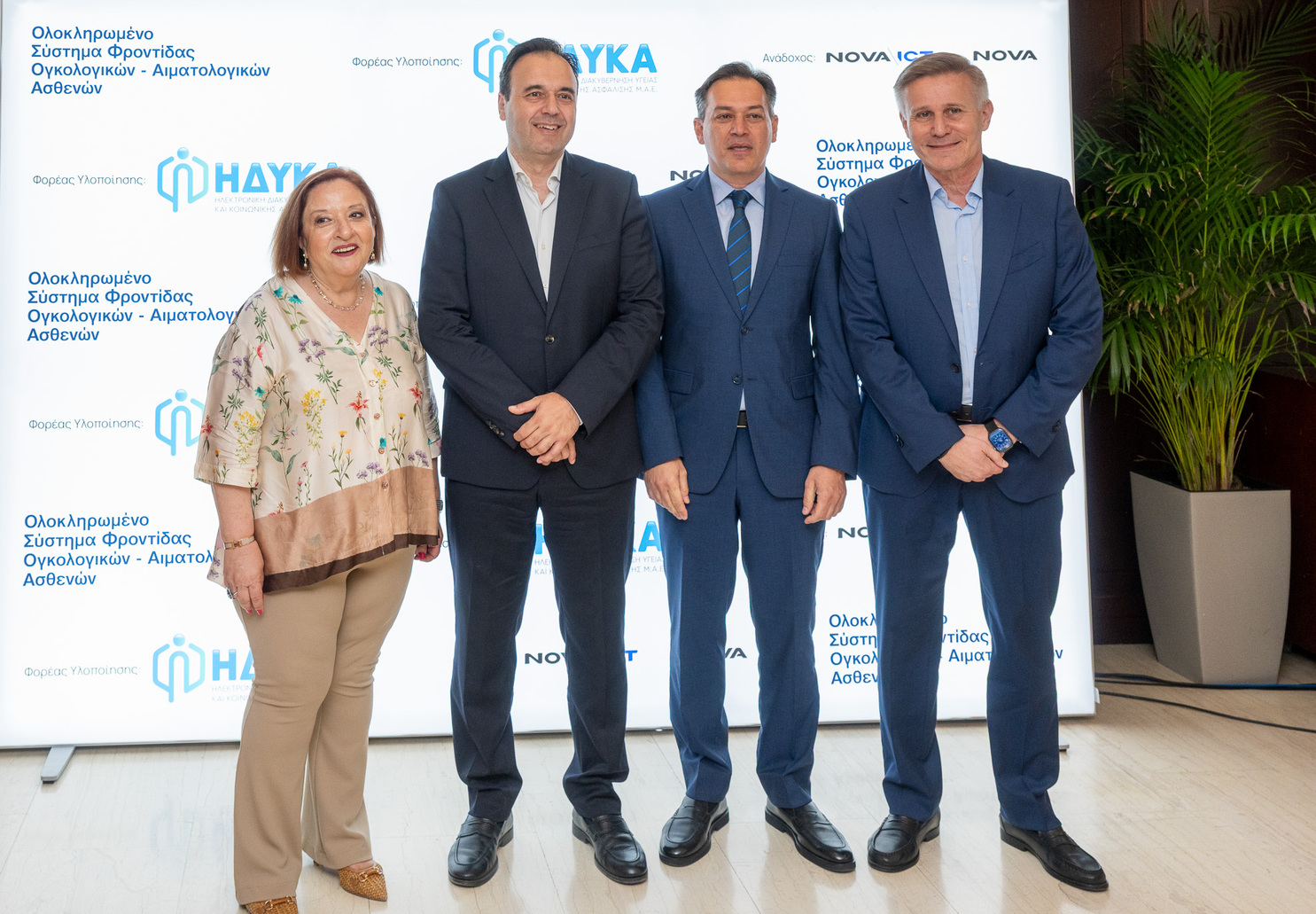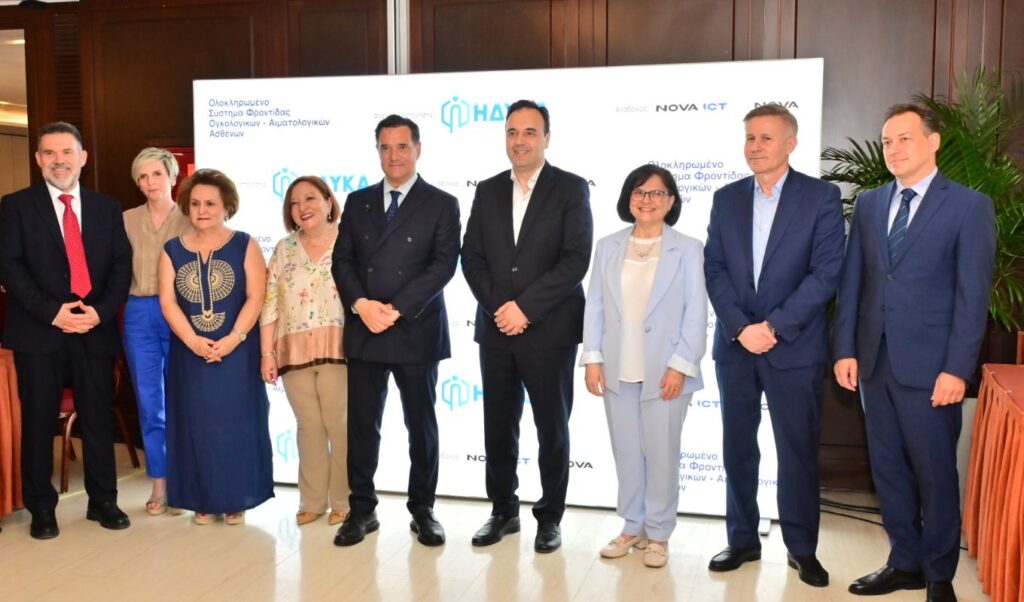
The presentation seminar for the new Integrated Digital Care System for Oncological and Hematological Patients, implemented by HDIKA MAE in collaboration with the company consortium NOVA-NOVA ICT as the project contractor, was held to a large audience on Friday, June 12, in Athens. The event showcased the capabilities of the new digital ecosystem for oncological and hematological care in the country, while senior representatives from both government and the scientific community attended, underscoring the project’s significance for the national public health system.
Read also: Nova ICT implements the “Smart Forest” project for Mount Aigaleo
Who attended the seminar
The seminar was honored by the presence of the Minister of Health, Adonis Georgiadis, the Minister of Digital Governance and Artificial Intelligence, Dimitris Papastergiou, the Chairman of the Board of Directors of HDIKA MAE, Ioannis Karagiannis, the CEO of HDIKA MAE, Niki Tsouma, and the CEO of NOVA ICT, Alexandros Bregiannis.
A new era in oncological care with the HDIKA – NOVA & NOVA ICT digital system
The central pillar of the project is the National Registry of Patients with Neoplastic Diseases, which has already been in full operational use since early 2025. The registry was created to address a longstanding need within the healthcare system for a unified, organized, and reliable recording of oncological and hematological cases across the country. By June 5, 2026, a total of 21,488 unique patients had already been registered.
The system has been designed in accordance with the specifications of the European Network of Cancer Registries (ENCR) and is interconnected with the European Cancer Information System (ECIS), enabling data sharing at a European level. It also supports the automatic transmission of structured data and pathology reports through standardized reporting, as well as the matching of patients with clinical trials — enhancing the quality and utilization of data in clinical practice, public health, and research.
During the seminar, the new oncological and hematological case management information system was also presented. Built on Ministry of Health-approved treatment protocols, the system gives treating physicians full access to each patient’s complete treatment history — including tests, referrals, treatment regimens, and therapy modifications — ensuring continuity of care and better coordination across healthcare facilities.
Particular emphasis was placed on supporting Oncology Councils and Multidisciplinary Teams through collaboration tools, video conferencing capabilities, and the display of imaging studies and clinical images. Advanced medical image processing and the use of artificial intelligence for the analysis of oncological data and support of clinical research were also presented, all aimed at further elevating the quality of healthcare services delivered.
As part of the project, a patient mobile app was also unveiled. Through this application, patients will be able to access their treatment plans, test results, and medical appointments, as well as communicate remotely with their treating physician. The app also enables real-time recording of symptoms and side effects, strengthening continuous patient monitoring and contributing to a more immediate and effective management of their treatment.
Georgiadis: The goal is “a more modern, effective, and humane national health system”
Minister of Health Adonis Georgiadis stated: “The Integrated Digital Care System for Oncological and Hematological Patients represents a major reform for the National Health System. With the National Registry of Neoplastic Patients and the new digital tools, we are strengthening continuity of care, improving the quality of services provided, and gaining reliable data for the design of more effective health policies. At the same time, we are empowering patients themselves to have direct access to their treatment plans and medical information, harnessing the potential of modern technology. We continue to invest in the digital transformation of healthcare, with the goal of building a more modern, effective, and humane national health system.“
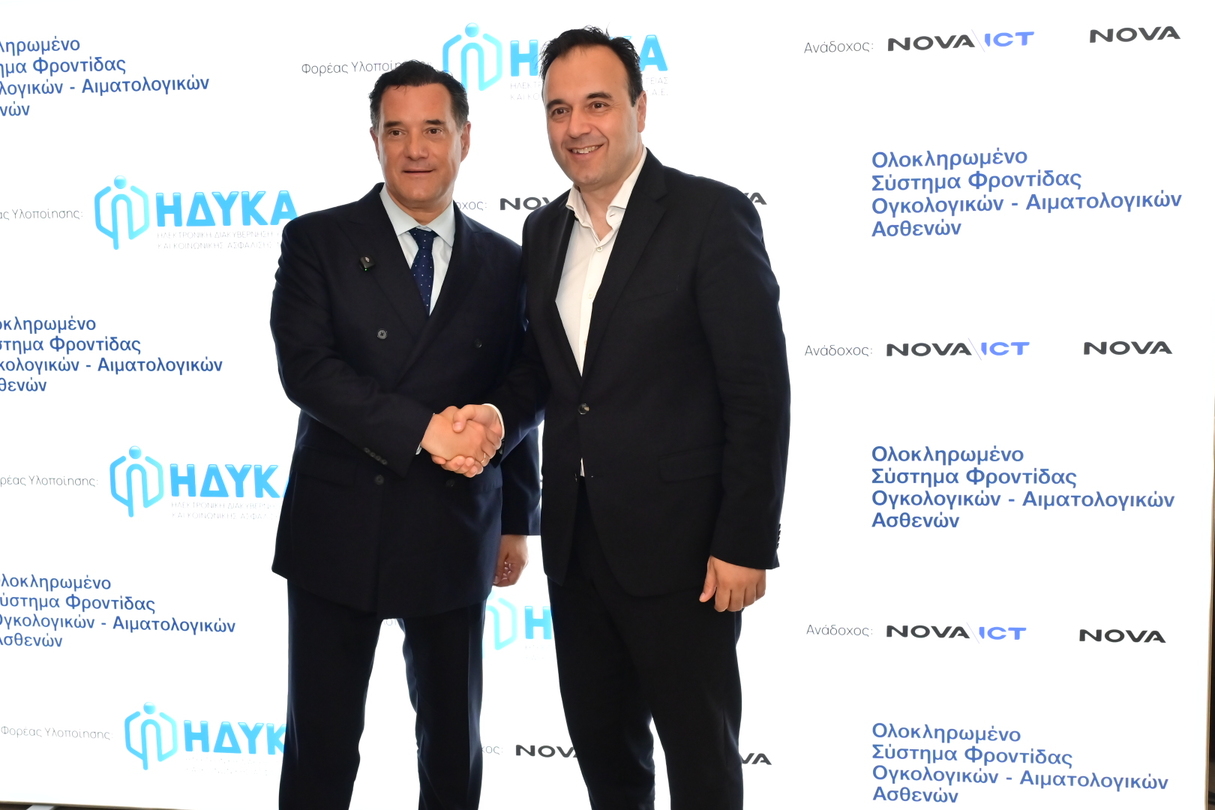
Papastergiou’s statement
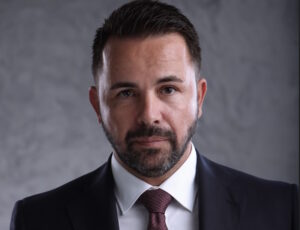
Minister of Digital Governance and Artificial Intelligence Dimitris Papastergiou noted: “For a person fighting cancer or a serious hematological disease every single day, every delay and every unnecessary trip is precious time lost. Our goal is to leverage technology to remove barriers and make the patient’s journey more efficient. The Integrated Care System for Oncological and Hematological Patients is an important step in that direction. With the National Registry of Neoplastic Patients — in which more than 21,000 patients have already been registered — we are gaining, for the first time, a comprehensive picture that will help us design better health policies. Our bet is exactly that: to invest in solutions that deliver real value to citizens, because we believe the next chapter of healthcare is digital — but above all, human. A public health system that harnesses innovation to offer better services, better decisions, and a better quality of life to every patient.“
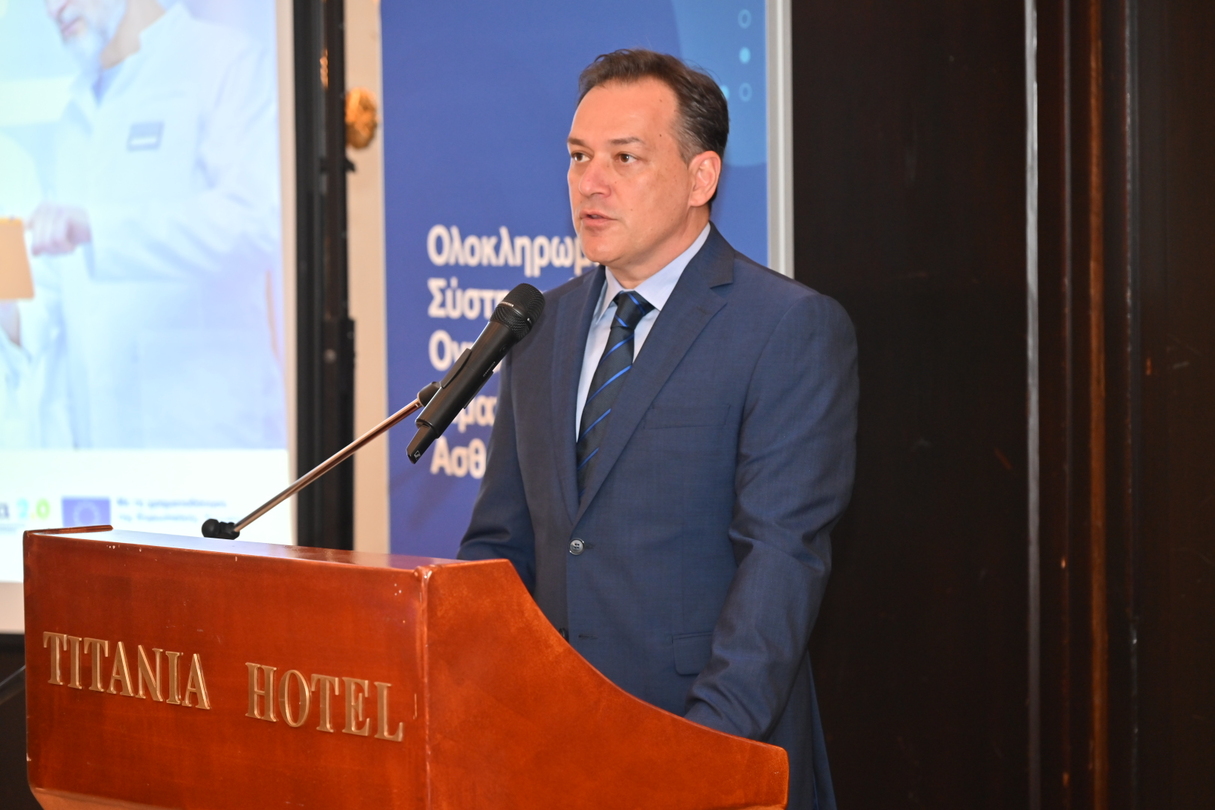
“A significant step toward a modern, interconnected, and patient-centered healthcare system”
Chairman of the Board of HDIKA MAE, Ioannis Karagiannis, emphasized: “The new Integrated Digital Care System for Oncological and Hematological Patients is yet another significant step toward the transition to a modern, interconnected, and patient-centered healthcare system. Through the National Registry of Neoplastic Patients and the new digital oncology care ecosystem, we are creating the conditions for better coordination of health services, the utilization of reliable data, and the delivery of higher-quality services to citizens. At HDIKA, we systematically invest in digital infrastructure that enhances transparency, information reliability, and continuity of care — always with the patient at the center.“
CEO of HDIKA MAE, Niki Tsouma, noted: “This project incorporates modern technologies and innovative features that meaningfully support the work of healthcare professionals and improve the patient experience. From case recording and monitoring to collaboration among health professionals and the new patient app, we are creating a unified digital environment that supports continuity of care and facilitates the day-to-day operations of healthcare facilities. Our goal is for technology to serve as a tool that simplifies processes and delivers real value to the everyday lives of both patients and healthcare professionals.“
CEO of NOVA ICT, Alexandros Bregiannis, stressed: “This is a landmark project for oncological care in our country — an emblematic healthcare initiative that harnesses the power of digital technology and innovation with the aim of delivering meaningful benefit to patients. Through the National Cancer Registry, the digitization of treatment protocols, new digital applications for patients, and the modern tools now available to healthcare professionals, we are laying the foundations for more effective, better-coordinated, and higher-quality oncological care, with the human being and their needs at its heart.“
As highlighted throughout the seminar’s proceedings, the new digital ecosystem is not merely a technological upgrade project, but a comprehensive reform in the way oncological and hematological care is organized across the country. Through the collaboration of the state, the medical community, and healthcare professionals, the project creates the conditions for higher-quality, coordinated, and personalized health services — for the benefit of patients.