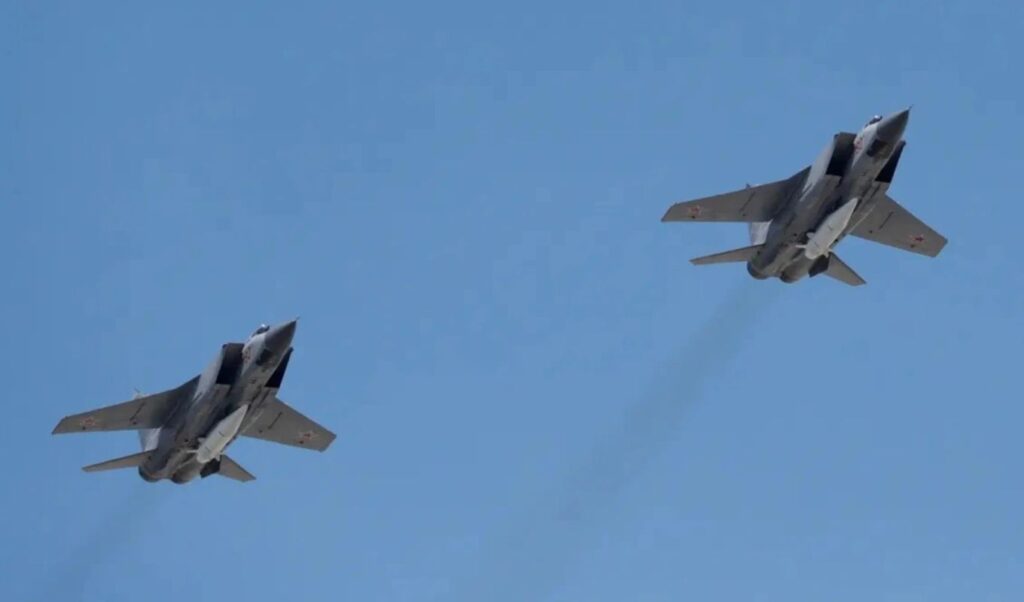
Cyprus appears to be pursuing the permanent deployment of Greek Air Force fighter aircraft on the island, as part of deepening defense cooperation with Athens and strengthening the Republic of Cyprus’ deterrent capabilities. Following events in early March and the attack on British bases in Akrotiri, Limassol, Nicosia is seeking more effective protection of Cypriot FIR. To achieve this, the periodic presence of Greek fighters at the Paphos air base is not sufficient, but rather a more stable and permanent presence is needed.
Cyprus: Greek fighter presence in Paphos moving toward permanent deployment
According to philenews.gr, the presence of Greek fighter aircraft in Cyprus is expected to expand within the framework of these plans. Beyond crew rotations, there may also be variations in the type of aircraft that will be stationed or operate from Cypriot territory.
Currently, Greek F-16 fighters are stationed in Cyprus, while according to the same sources, the possibility is being examined that these could be replaced at a later stage by other aircraft types, such as the twin-engine F-4 Phantom.
The presence of Greek fighters in Cyprus also serves as an operational familiarization field for the Cyprus National Guard, mainly regarding cooperation, coordination and interoperability with the Greek Air Force.
Greek Navy maintains permanent presence in Cypriot EEZ
A Greek Navy frigate will also maintain a permanent presence in Cypriot waters for effective protection and surveillance of the Cypriot EEZ. This move provides stability against asymmetric threats originating from the Middle East, while simultaneously giving Cypriot naval forces opportunities for more joint training and gaining valuable experience.
Currently, the frigate ELLI (F 450) is in the area, equipped with 2 naval 76mm OTO Melara guns, 2 Phalanx close-in weapon systems, Harpoon surface-to-surface guided missile system and Sea Sparrow surface-to-air missiles. ELLI also carries anti-submarine warfare weapons and electronic countermeasure systems.
Greek naval forces will rotate to rest their crews.
The new Status of Forces Agreement (SOFA) between Cyprus and France establishes a legal framework for joint operations, exercises and military presence on both countries’ territories.
The agreement regulates the rights and obligations of military personnel during exercises, missions or operations, administrative, operational and logistical support issues, as well as cooperation terms in joint training and multinational missions. The agreement aims to facilitate operational cooperation, enhance interoperability and enable faster response to joint security and defense missions.
As Defense Minister Vasilis Palmas stated, “the agreement is the culmination of the already close strategic relationship between the two countries, which is based on the Cyprus-France Strategic Partnership Agreement signed in Paris last December.”
The cooperation covers everything from coordination on regional security issues to the development and procurement of defense systems, with particular emphasis on Eastern Mediterranean security.
Practically, the agreement facilitates faster deployment and support of military forces, reduces bureaucratic and legal obstacles and enhances the capability for joint operations or missions during crisis periods. The agreement also reflects the gradual transition of European defense policy from strategic cooperation declarations to binding operational tools.
Cooperation between the two countries includes naval, land and air dimensions, with joint exercises such as ARGONAUT and EUNOMIA, as well as French military presence in the region within the framework of security and surveillance missions.