Revelations about the OPEKEPE scandal continue to emerge, developing into a major economic crime case following the dismantling of a network that allegedly secured illegal agricultural subsidies in the Kozani region. The case, which according to authorities dates back to at least 2019, revealed a mechanism that allegedly exploited false declarations and undeclared agricultural plots to obtain European funding. The arrests made during “Operation Harvest” brought to light a network of dozens of implicated individuals, with investigations now extending to bank accounts, financial transactions, and relatives of the accused. According to initial estimates, the illegal financial benefit exceeds €2.5 million, while prosecutors consider this one of the largest networks uncovered recently in the agricultural subsidies sector.
OPEKEPE: The arrests and persons under investigation
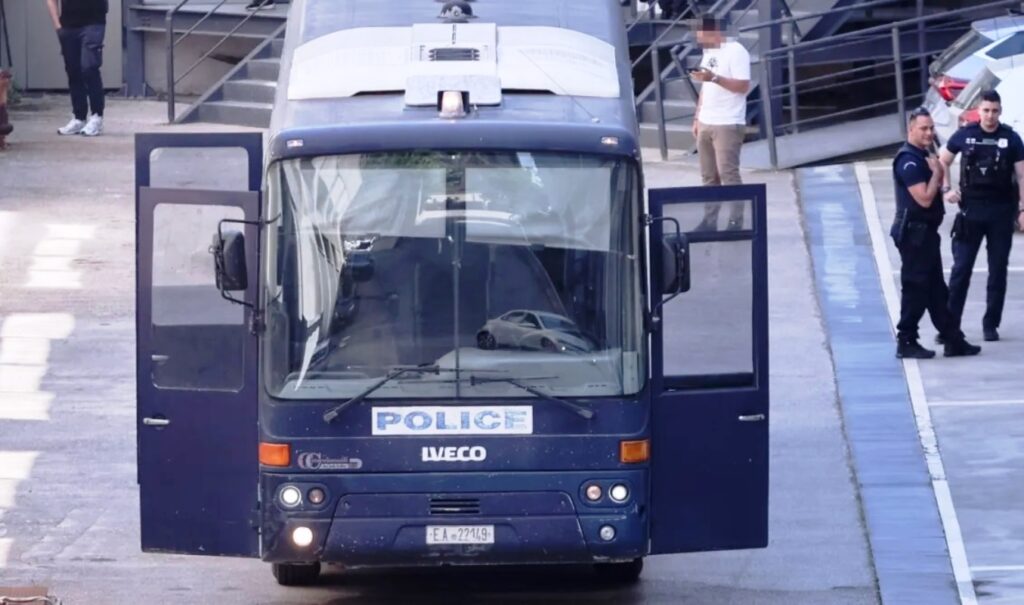
From Wednesday morning, those arrested were taken to the General Police Directorate of Western Macedonia. Initial information indicates that the arrests primarily concern individuals from Agios Dimitrios Kozani, while the transfer of a Declaration Reception Center manager from Agrinio also took place.
Among those arrested is an employee of a Declaration Reception Center, who allegedly played a particularly significant role in the process of presenting data as legitimate. According to current investigation findings, this specific employee allegedly facilitated subsidy payments by manipulating required data so applications would pass controls.
At the same time, authorities attribute particular importance to the role of the manager from Agrinio, who allegedly operated as the organization’s coordinator and directed the movements of other involved parties. His arrest is considered pivotal for mapping how the network operated.
OPEKEPE: How the subsidy fraud network operated
According to information collected by prosecuting authorities, the methodology used by network members shows significant similarities to that of other organizations recently dismantled in Crete and areas of Northern Greece. The basic practice allegedly relied on identifying agricultural plots that had not been declared by their actual owners. Subsequently, false declarations were submitted, through which persons with no real connection to the land appeared as subsidy beneficiaries.
This way, significant amounts were secured from European programs and agricultural support schemes. Authorities estimate that the network’s activity began at least in 2019 and continued for several years, generating large financial benefits for those involved. A central role in the organization was allegedly played by a large-scale producer who also worked at a Declaration Reception Center, while the case allegedly involves another employee who has not yet been arrested.
Banking controls and investigation continuation
Particular emphasis is now placed on the economic dimension of the case. Economic Crime Unit officers are conducting extensive checks on bank accounts of both the accused and their relatives. Investigators are examining the possibility that part of the money was transferred to third-party accounts to complicate tracing the money trail. Additionally, tax violations have been identified and are being evaluated by competent services.
In total, 39 individuals are allegedly involved in the case, while charges under consideration include fraud against the European Union’s financial interests and false declarations. The 14 arrested individuals are expected to be brought before the Kozani prosecutor along with the case file, then transferred to Athens. The final decision on their potential detention lies with the European Public Prosecutor’s Office, which is closely monitoring the case’s development.
“Operation Harvest” represents the third consecutive strike by authorities within just ten days against networks connected to illegal subsidies, indicating that investigations around OPEKEPE cases are now in full swing.