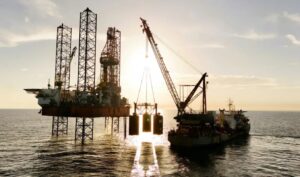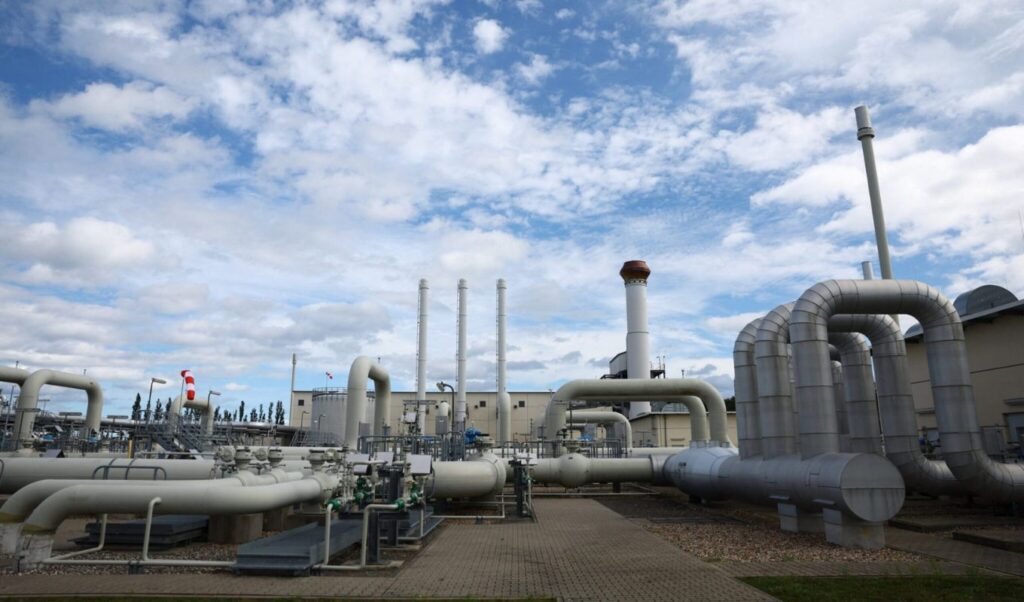
As military tensions in the Middle East deepen, international energy markets are now moving to the rhythm of geopolitical uncertainty. Oil prices and natural gas are reacting almost in real-time to every new development on the battlefield, while governments, markets and institutions attempt to assess the impact on one of the most critical pillars of the global economy: energy. At the center of concern is not only the physical adequacy of fuels, but mainly the price dynamics and intense volatility that the crisis is causing in international markets.
Europe’s stance toward energy uncertainty due to Middle East war
From Europe’s side, the basic message emanating from Brussels is that, for now, no immediate danger is apparent for supply security. Member states estimate that the European energy system remains functional thanks to supply source diversification and strengthening of LNG infrastructure in recent years. Particular attention is focused on European natural gas storage levels, which today stand near 30% of total capacity, a manageable percentage for the season, but lower than last year’s corresponding level. This means the critical market phase, namely restocking reserves ahead of next winter, may occur in an environment of greater uncertainty and higher prices. However, Brussels recognizes that the real issue concerns cost rather than quantities. In a globalized LNG market, any disruption in Middle East energy flows could intensify competition between Europe and Asia for available cargoes, leading to intense fluctuations and price pressures in the coming months.
Different reactions in oil and natural gas markets
At the same time, the reactions of the two main energy markets are not identical. Oil appears more resilient for now, with Brent trading near $85 per barrel. This represents a level higher than pre-crisis levels. Analysts attribute this restrained reaction to the fact that the market still has “safety cushions.” Bloomberg analysts estimate that every 1% reduction in global oil supply could lead to price increases of approximately 4%, intensifying market pressures. In an adverse scenario of prolonged crisis in the Persian Gulf, with disruptions to energy flows or the Strait of Hormuz, prices could reach even $108 per barrel, triggering a new wave of inflation and global economic slowdown, with particularly noticeable effects in Europe.
Nervousness in the natural gas market, LNG’s role and impacts on Greece
Conversely, the natural gas market shows much greater nervousness. The suspension of LNG production in Qatar has removed significant quantities from the global market. Qatar is the world’s second-largest LNG exporter, after the United States, covering approximately 20% of global natural gas liquefaction capacity. Additionally, almost all of its exports pass through the Strait of Hormuz. Natural gas continues to cover nearly 40% of Greece’s electricity generation mix, meaning that international price pressures are transferred relatively quickly to the electricity market as well. Any wholesale market increases are expected to become noticeable in bills from April, except for a small number of consumers who have chosen floating “yellow” tariffs, which are directly linked to the wholesale market.
Published in Parapolitika newspaper