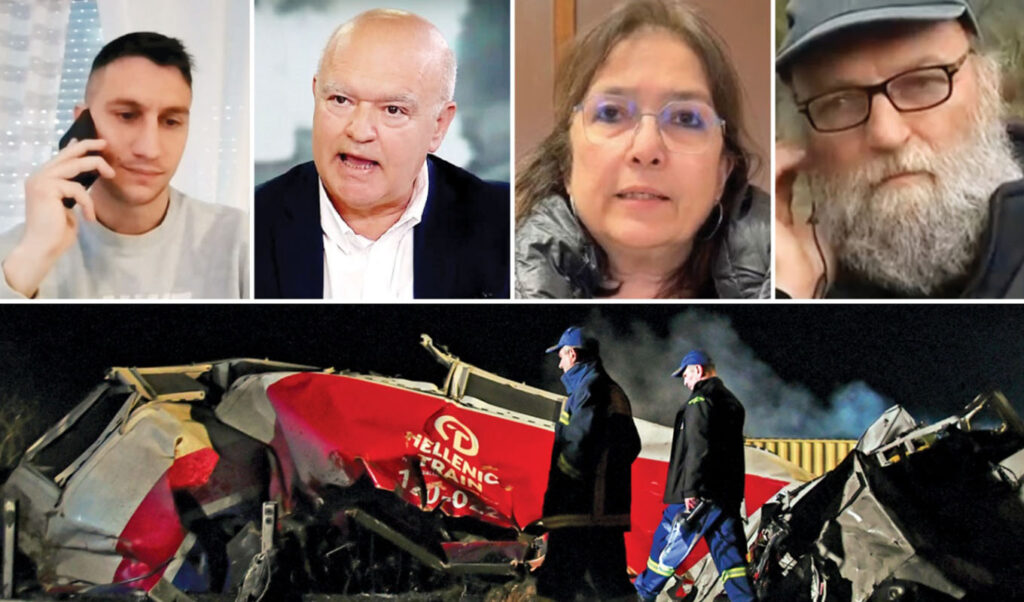
Three years have passed today since the rail tragedy at Tempi, with the families of the 57 victims still fighting for justice while trying to cope with the loss of their loved ones. That night, it wasn’t just two trains that collided. Indifference clashed with responsibility, warning with negligence, everyday life with the unthinkable. In an instant, students returning to their classes, people going back to their routine after the Clean Monday weekend, and workers who simply wanted to reach their homes became history. Three years later, relatives don’t speak of an anniversary, but of an open account. Of a case that isn’t simply legal, but existential. Because as long as the truth is delayed, grief finds no peace. And as long as responsibilities aren’t named, the wound remains open. At Tempi, that evening, not only 57 lives were lost, but also the sense of security of an entire generation.
Vasilis Katsaras (brother of Athina): We feel they’ve been mocking us all this time

Among the 57 victims was 34-year-old Athina Katsara, who was traveling with her husband, Nikos Zisis. They were returning to their hometown of Katerini after the Clean Monday weekend in Athens. They sat side by side. Seconds before the collision, hearing the sudden braking, Athina turned to her husband and managed to say: “Nikos, our Christos.” Those were her last words about their only son. After the collision, her life was cut short abruptly. Nikos was seriously injured and hospitalized for many days. He couldn’t attend his beloved’s funeral and today raises their son alone.
As the brother of victim Athina, Vasilis Katsaras, tells “PARAPOLITIKA”: “Here in Katerini we start preparing two months before the big rally. Everyone supports us daily. The issue is that they should also support us in elections. It’s essential that Article 86 regarding ministerial responsibility ceases to exist, because only then might we achieve something in this country. It’s a mockery.”
Referring to the main trial, expected to begin on March 23rd, he notes: “I believe no one is prepared. Probably we, the victims’ relatives, would be satisfied if political figures were sent to prison. However much we talk about vindication, there can’t be real vindication, since our people aren’t with us. It would simply function as a sedative. Justice certainly won’t be served to the degree it should. Otherwise, politicians would already be in the dock. In my opinion, it’s secondary whether there was flammable material. What’s most important is that the collision happened due to omissions, non-implementation of contract 717, misuse of funds and nepotistic appointments. For 80,000 euros we lost our people, while the next day 600,000 euros were given for cranes and bulldozers.”
How have these three years passed? “The first and second year there was much crying and anger. We didn’t know where we stood. Now the tears have gone and anger remains. We feel they’re mocking us. I was at the scene an hour later searching for my sister in the wreckage. I was shouting her name and she might have been dead underneath. Many times I unconsciously go to send her a message or call her, then realize the reality.”
Christos Choupas (father of Elpida): We’re in an ocean and swimming
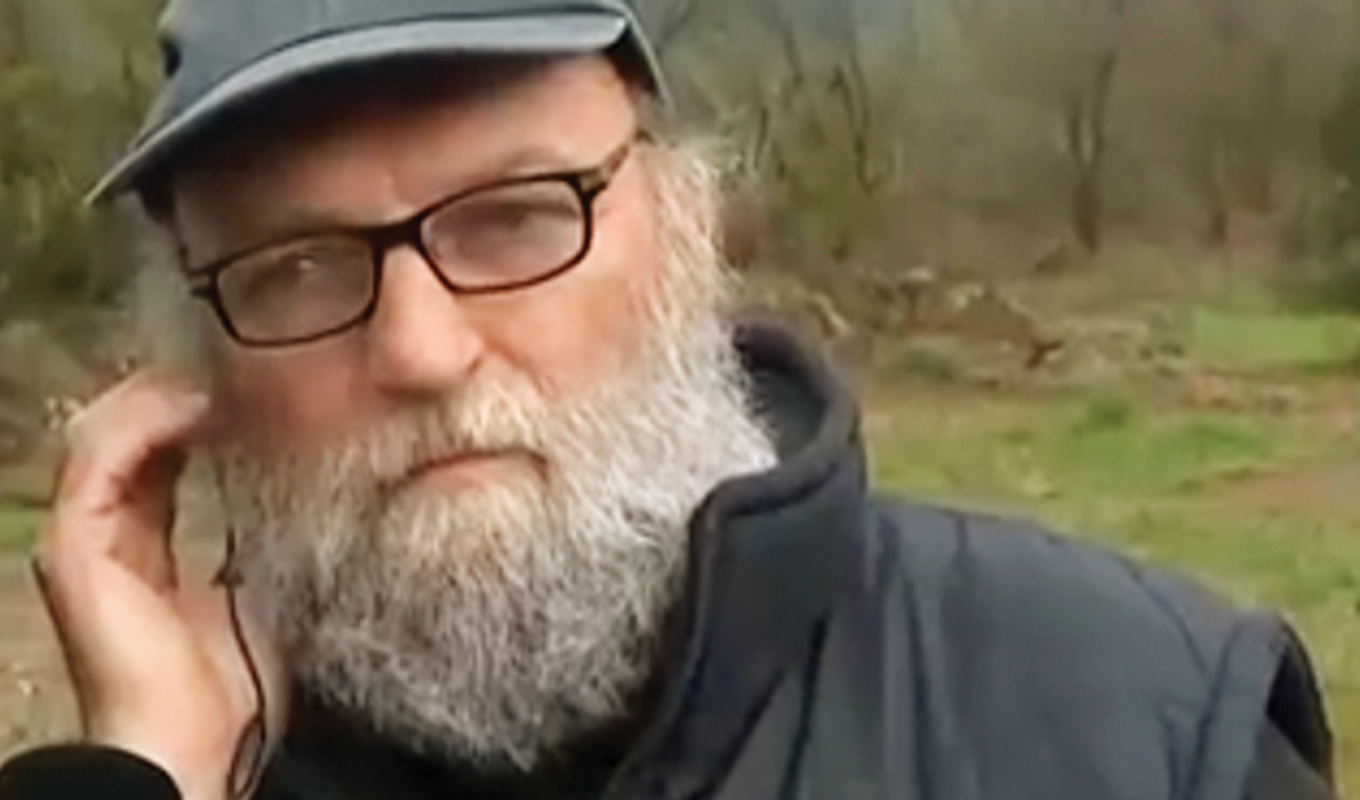
The ambitious plans of 28-year-old Elpida Choupa stopped abruptly the moment the two trains collided at Tempi. The young woman was returning to Thessaloniki from Atalanti, where she had spent the Carnival weekend. She had already completed her studies as a civil engineer in Patras and, after passing entrance exams, had been accepted into Architecture at Aristotle University, continuing to build the future she dreamed of. Her two siblings had planned to travel with her. However, a computer malfunction kept them behind and they were forced to change their tickets for the next day. Thus they were saved, with Elpida not getting a second chance at life.
Speaking to “Parapolitika,” her father, Christos Choupas, doesn’t hide his anger and disappointment. “We live in a chaotic state. Where do you start? Before the collision? From the collision? From the ignition? From the cover-up? From the continuation of the mockery for three years?” he states.
He declares he has no trust in justice and denounces unjustified delays that raise questions. “What should we hope for, we relatives of the 57, when a prosecutor, even knowing there are no laboratories in Greece for the examinations requested by victims’ relatives, sets restrictive terms and timeline regarding exhumations?” he wonders.
He appears particularly sharp on the issue of the fireball and explosion that followed the collision. “The word ‘fireball’ doesn’t even exist in the case file,” he maintains, insisting that what caused the initial ignition hasn’t been answered. “We want the primary cause. What was it that caused the explosion?” he says characteristically, questioning the version about silicone oils as the basic cause. His anger peaks when speaking about the political handling of the tragedy. “We ask for nothing more than an apology and assumption of responsibility. Basic decency and admitting their guilt,” he emphasizes, wondering why the case is handled with such callousness by the state.
Three years later, he describes his daily life as a constant sea with waves: “We’re in an ocean and swimming constantly. We were a model family. I lost an educated child with dreams. She wasn’t satisfied with life, had set the bar very high,” he says about his Elpida.
Eleni Vasara (mother of Agapi Tsaklidou): We lost our only child, we won’t give up
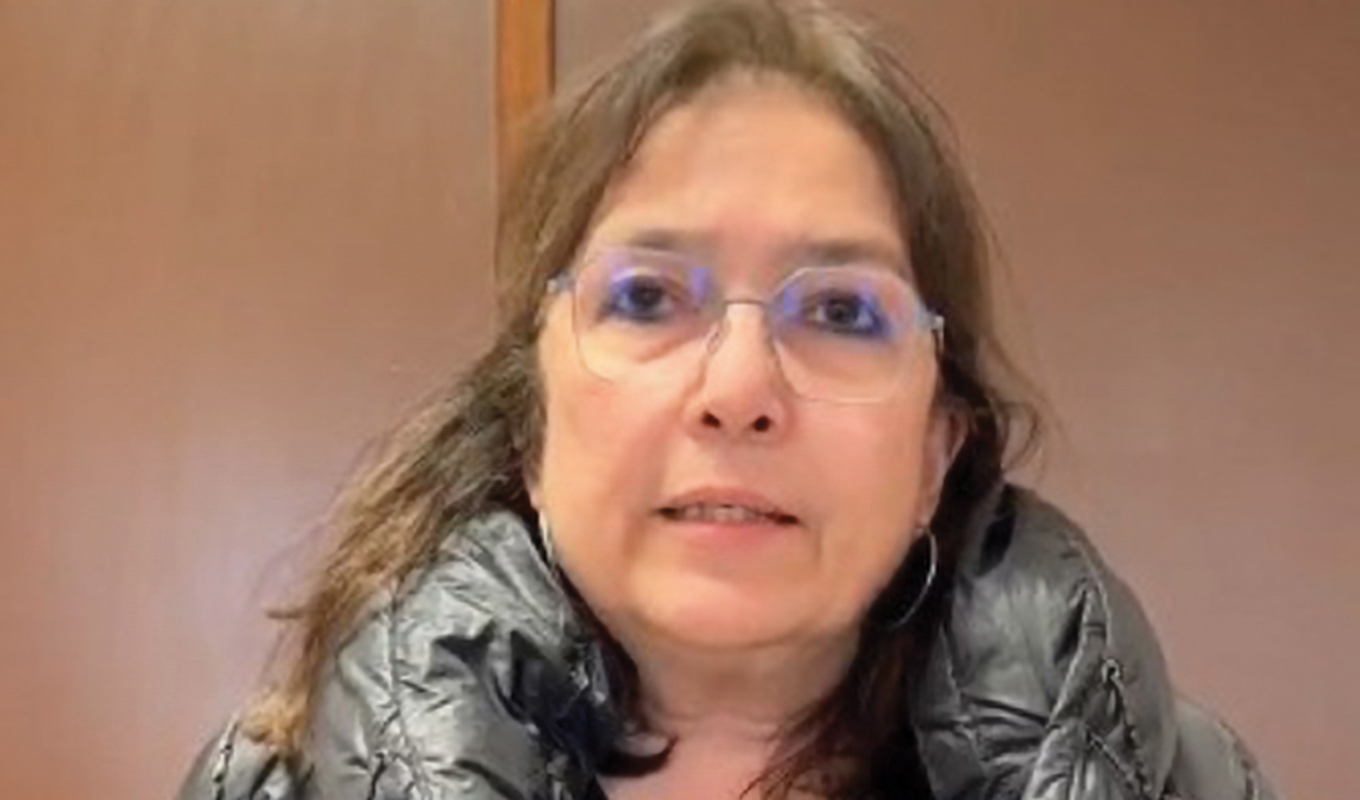
22-year-old Agapi Tsaklidou was the only daughter of Aristotle University of Thessaloniki professors Giorgos Tsaklidis and Eleni Vasara. She was studying Rural and Surveying Engineering and had a second great love, singing. On March 1st, 2023, she would have started her internship, but time stopped that fateful evening of February 28th, before she could live everything she had dreamed of.
Eleni Vasara, mother of 22-year-old Agapi and secretary of the Tempi Victims Association, describes to “PARAPOLITIKA” the anguish and disappointment of the victims’ families, who three years after the fatal collision continue to demand justice. “I don’t know how coincidental all this with the exhumations is now,” she says. “Since October, when Panos Routsi stopped his hunger strike, they supposedly had given approval for the examinations. Now suddenly they remembered that there are no laboratories for the necessary analyses?”
She emphasizes that the families requested exhumations to determine the causes of death of their children, as the forensic report doesn’t give clear answers. “They wrote that death was due to carbonization. But this isn’t a cause, it’s a result. We didn’t submit a request for exhumation because we couldn’t endure such a psychologically damaging process. But we stand by the people who requested it,” she notes, adding that “if the examinations won’t be done, why have an exhumation? Is this a show of force? They’ve been treating us all this time as if we’re the guilty ones. Is it possible for the charge in the indictment to be manslaughter by negligence? Since they knew the situation that existed and continues to exist in the railway, both the current and previous government.”
Despite the psychological pressure, she declares her determination to continue the fight. “We’ll be present at rallies throughout Greece with the slogan ‘Either their profits or our lives.’ The mobilization is tremendous, in Greece and abroad. Justice for us means punishing those responsible and changing conditions, so there won’t be new Tempis.” Concluding, Ms. Vasara notes: “For me it’s as if a week has passed since the tragedy. We lost our only child, but we won’t give up. We’re preparing for the March 23rd trial and we’re on standby.”
Published in Parapolitika