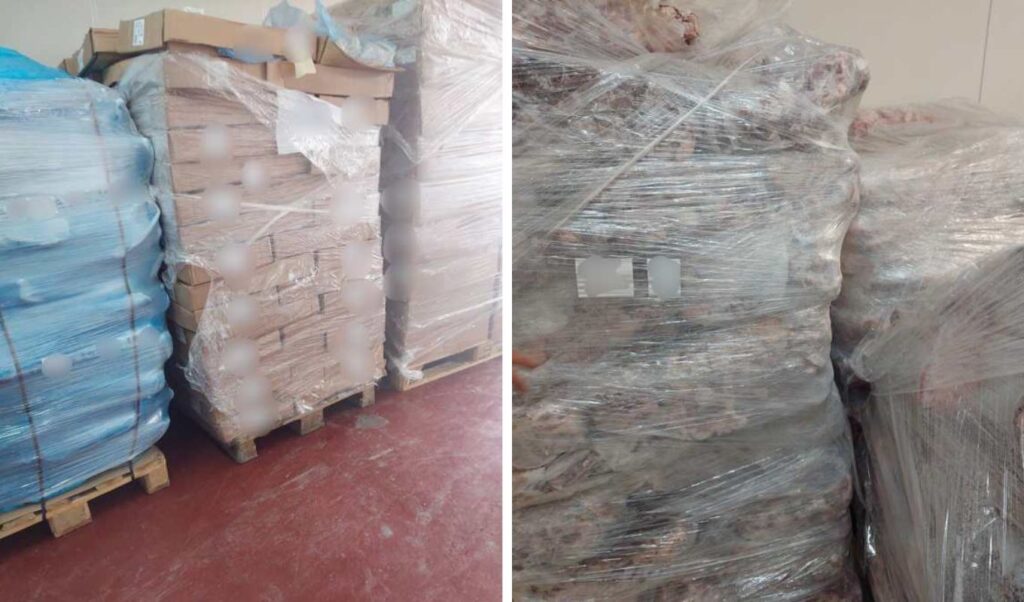
Authorities from the Attica Region proceeded with the seizure of 4,780 kilograms of meat deemed unsafe for consumption, following an inspection at a cold storage facility in Kapandriti. The quantity was found to be stored beyond the permitted shelf life limit and was immediately withdrawn from the market.
The inspections were carried out on Thursday, February 12, 2026, as part of intensified inspections ahead of Tsiknopempti (Greek carnival Thursday) due to increased meat circulation. Teams from the Directorate of Agricultural and Veterinary Policy conducted extensive on-site inspections at cold storage facilities, retail stores, and meat trading businesses throughout the Athens metropolitan area. According to the announcement, following the seizure, all prescribed administrative procedures were initiated for the safe management and destruction of the quantity, based on current national and EU legislation.
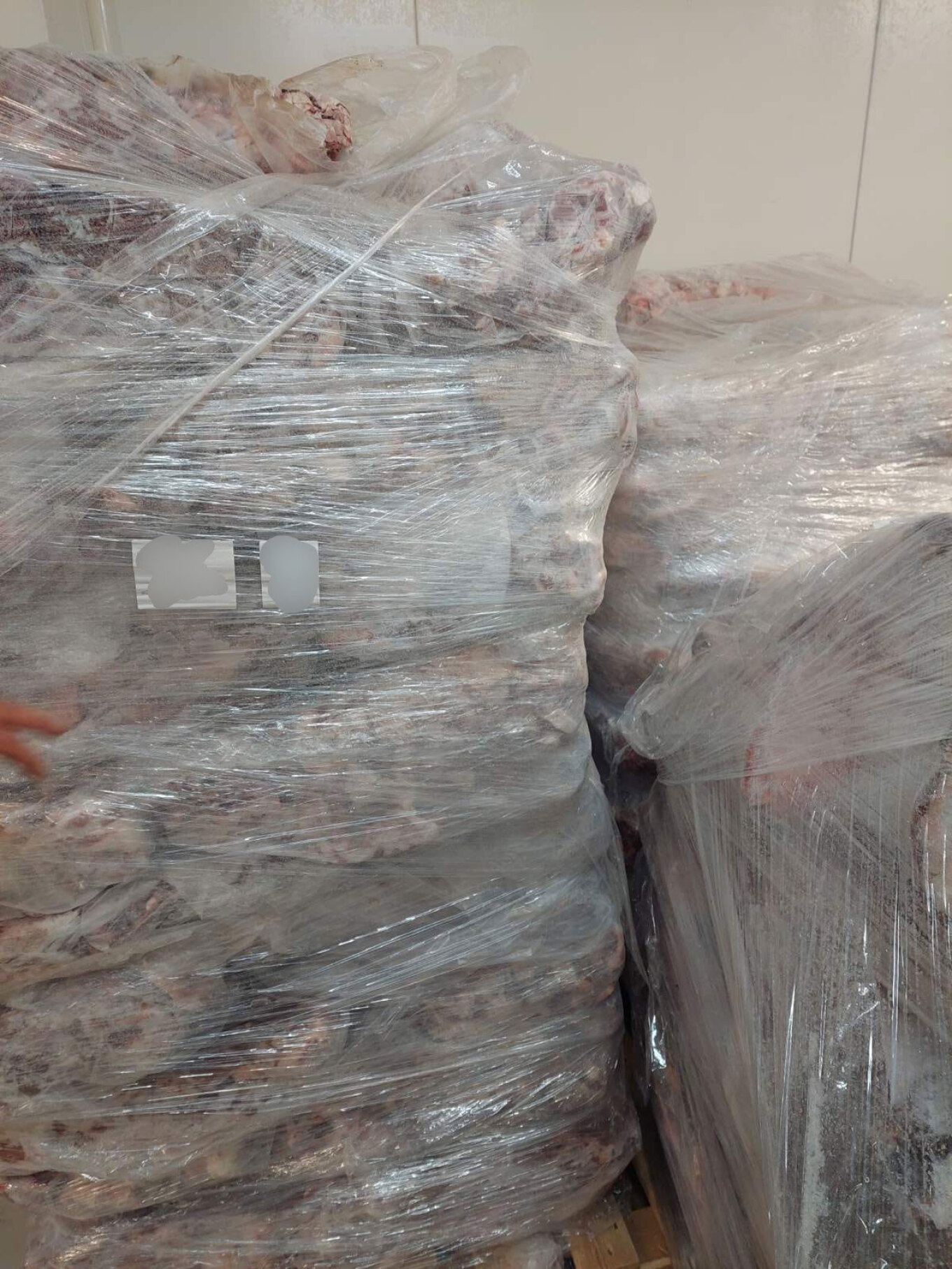
Kapandriti: 4.8 tons of rotten meat seized – Order from Nikos Hardalias
As emphasized, an order has been given by the Attica Regional Governor, Nikos Hardalias, to increase market inspections. Teams from the competent services conduct regular and emergency inspections at all stages of product circulation and distribution, with the goal –as stated– of protecting public health, ensuring food quality, and preventing phenomena of profiteering or illegal distribution of unsafe products.
The inspections include inspections of cold storage facilities and food storage areas, sampling checks regarding production and expiration dates, inspections of retail businesses and food stores, as well as immediate seizure of products that do not meet safety specifications.


“Public health is not a matter for negotiation”
As Attica Regional Governor Nikos Hardalias characteristically stated:
“On my explicit orders, our inspection teams have intensified their presence in the market throughout the carnival period, with continuous, targeted, and strict inspections – as we always do during every period of increased product circulation. We are constantly in the field: in warehouses, at distribution points, at every link in the supply chain, to ensure that whatever reaches the consumer fully meets safety specifications.
I repeat it in all tones: Public health is not a matter for negotiation. Whoever ignores the legislation or attempts to operate outside the framework will immediately face the consequences provided by law. Without exceptions and without delays. We continue with consistency and determination. Because our role is not simply regulatory. It is institutional and substantial: to protect citizens and ensure a market that operates with rules, responsibility, and transparency.”