Highway blockades, supply chain disruptions, and protests by transport workers are creating conditions of intense turmoil in Italy, as the government of Giorgia Meloni scrambles to contain the crisis. A sharp rise in diesel prices has triggered a wave of demonstrations by truck drivers and farmers, particularly across southern Italy, where shortages of food and fuel are being reported. Meanwhile, Transport Minister Matteo Salvini has announced the deployment of 500 additional military personnel in Milan starting Saturday, October 24, as part of a broader push to reinforce public security measures. These developments are piling pressure on the government as the country edges closer to elections expected in the spring of 2027.
Read also: Elon Musk: The jobs that are not immediately threatened by Artificial Intelligence
Italy: blockades cause food and fuel shortages
The mobilization of transport workers and farmers has significantly disrupted the supply chain across southern Italy. Blockades on highways, at ports, and at distribution centers are preventing goods from reaching stores, while fuel station resupply has also been affected. Reports indicate that even airports in southern Italy are facing fuel shortages. The retail association Federdistribuzione has reported that hundreds of supermarkets and dozens of distribution centers have been impacted. Stocks of fresh fruit, meat, and fish were depleted within days, with shortages quickly spreading to other food categories. In some stores, shelves have been left completely bare, with economic losses estimated in the tens of millions of euros.
Why truck drivers are protesting
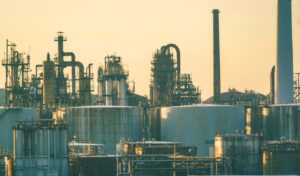
At the heart of the protests is the surge in diesel prices, which have risen by approximately one third since the onset of US and Israeli strikes against Iran. Professional transport operators argue that the combined costs of fuel, tolls, and wages have drastically eroded their profit margins. Pasquale, a truck driver from Campania, told POLITICO that the cost of running routes has severely cut into his take-home earnings, sarcastically calling on Matteo Salvini to work as a truck driver for a week. He also raised issues around competition and European environmental regulations, arguing that Italian businesses are being burdened with costs while cheaper imported goods continue to flood the market.
Italy in total chaos. https://t.co/Hhe1TaXXaq
— RadioGenoa (@RadioGenoa) October 21, 2026
500 “Folgore” paratroopers deployed to Milan
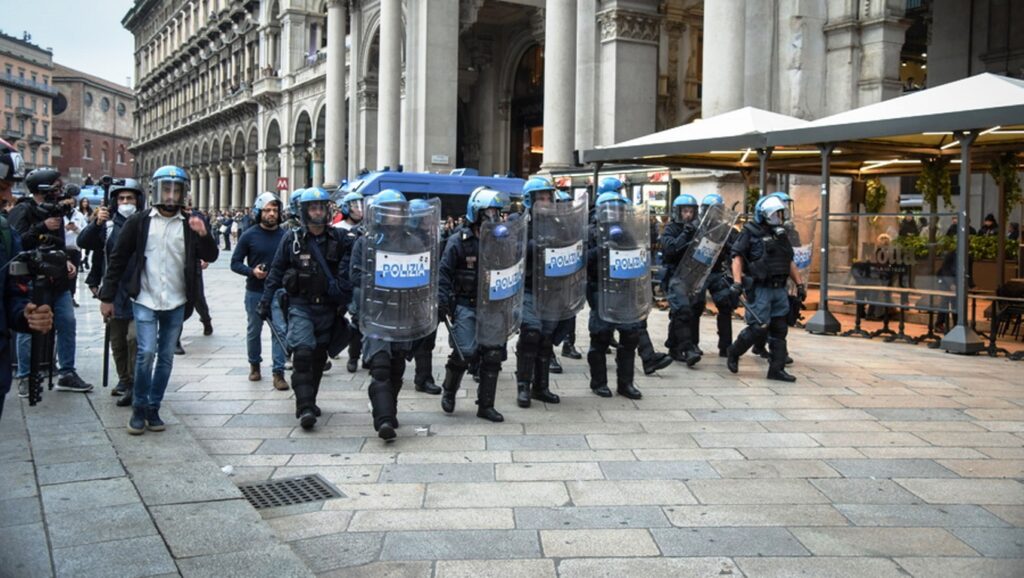
Matteo Salvini announced that starting Saturday, October 24, 500 additional troops from the “Folgore” paratroop brigade are expected to be deployed in Milan. They will reinforce the forces already taking part in the “Safe Streets” operation, though they will not be granted the same powers as police and carabinieri. The minister stated: “The fact that five hundred Folgore paratroopers, with an average age of over forty and extensive overseas experience, will be sent to Milan is, for me, a guarantee. I believe this measure will take effect from Saturday.” He also referenced the potential use of rapid response vehicles, Lince light armored vehicles, and drones, arguing that the military presence will strengthen public safety.
Meloni’s response and the economic pressures
Giorgia Meloni has warned that the government will use security measures to clear the blockades, stating that she will not be “blackmailed by those who use violence as a tool of pressure.” At the same time, she acknowledged the need for economic support for workers, families, and professionals. By Thursday, signs of supply restoration were emerging in Sicily and Calabria, while problems persisted in Campania. The International Road Transport Union called on the European Commission to expand the scope of state aid provisions and introduce stricter rules on payment delays, while making clear it does not endorse the blockades. Rome’s room for fiscal intervention remains constrained by the EU’s excessive deficit procedure.
Political fallout and the 2027 elections
The opposition has accused the government of prioritizing security measures over addressing the underlying economic causes of the protests. Five Star Movement MP Gaetano Amato told POLITICO: “The government has done nothing and continues to do nothing, because it bases everything on security decrees.” Stefano Orlaccio, head of the Democratic Party youth wing in Campania, described the government’s stance as “anti-southern.” Researcher Marco Valbruzzi from the University of Naples Federico II believes that the economic grievances are complicating crisis management and could influence electoral planning. According to his analysis, Meloni may consider pushing the elections from spring to autumn 2027, waiting for international instability to ease and for greater fiscal flexibility to materialize.