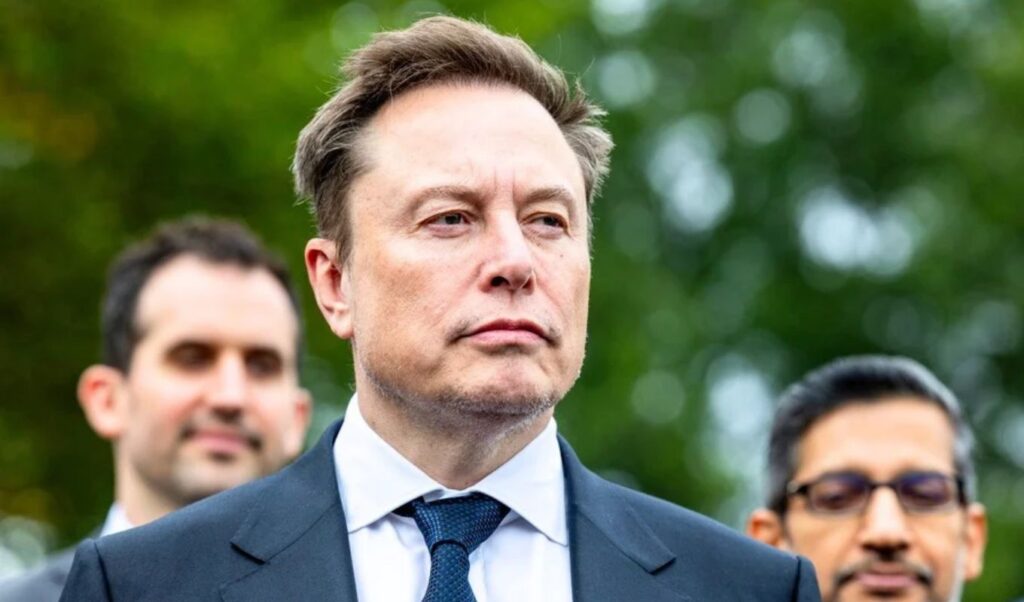
Elon Musk has spoken out about how Artificial Intelligence could impact various professions, explaining that certain jobs are not under immediate threat. These are roles that require physical presence, hands-on skills, and practical experience — areas where AI “can boost productivity,” according to the billionaire entrepreneur, but which are likely to remain relevant for many years to come.
Read also: Artificial Intelligence: The jobs AI won’t replace — and why
Elon Musk: AI can boost productivity
Speaking about the future of AI and robotics, Elon Musk pointed out that jobs tied to the physical world are significantly harder to fully automate. In his view, artificial intelligence could eventually surpass humans in many tasks, dramatically increasing productivity and reducing the need for human labor. However, he stressed that this transition will not affect all industries at the same pace.
“Ultimately, AI can enhance the productivity of people who build things with their hands or perform manual tasks — such as welding, electrical work, plumbing, anything involving the physical movement of materials, like cooking or farming,” Musk stated, placing particular emphasis on professions that require direct interaction with the physical world. He went on to add: “Either way, these jobs that require physical activity will continue to exist for a much longer period of time.”
Jobs that are not immediately threatened by AI
Among the professions least at risk of full automation due to AI are electricians, plumbers, welders, tradespeople, chefs, and farmers. These are occupations and skilled trades that demand a combination of technical training, dexterity, adaptability, and the ability to handle unpredictable situations — qualities that remain extremely difficult for automated systems to fully replicate.
A plumber is a prime example of a professional who faces unexpected challenges on a daily basis. Every repair call presents a different set of problems, from detecting hidden leaks to resolving complex faults across a wide variety of environments. Similarly, an electrician must assess the risks of each electrical installation, tailoring their solutions to the unique characteristics of every building or industrial space. Professions such as farming and food service stand out for their direct dependence on unpredictable external factors.
The integration of artificial intelligence into traditional trades may ultimately lead to an evolution of roles, an upgrading of skills, and a significant boost in overall productivity.