Serious questions are being raised about the trajectory of Greek-Libyan relations and the growing Turkish influence in eastern Libya, following the ratification of the Turkey-Libya memorandum by the country’s House of Representatives. Attention is now turning to how the camp of Marshal Khalifa Haftar — with whom Athens had cultivated lines of communication — came to support an agreement that Greece actively contests. According to a report by Star’s diplomatic correspondent Katerina Tsamouri, Turkey’s economic and military offers to the Haftar camp played a decisive role in this shift, at a time when Libya was seeking investment funding and reconstruction contracts. The report links the changing balance of power to Ankara’s expanding footprint in the region, leaving Greece facing a fresh diplomatic challenge in the Eastern Mediterranean.
Read also: Netanyahu was planning a major strike on Iran, but Trump said no before the US elections
Libya: Athens’ contacts with Haftar and the economic expectations
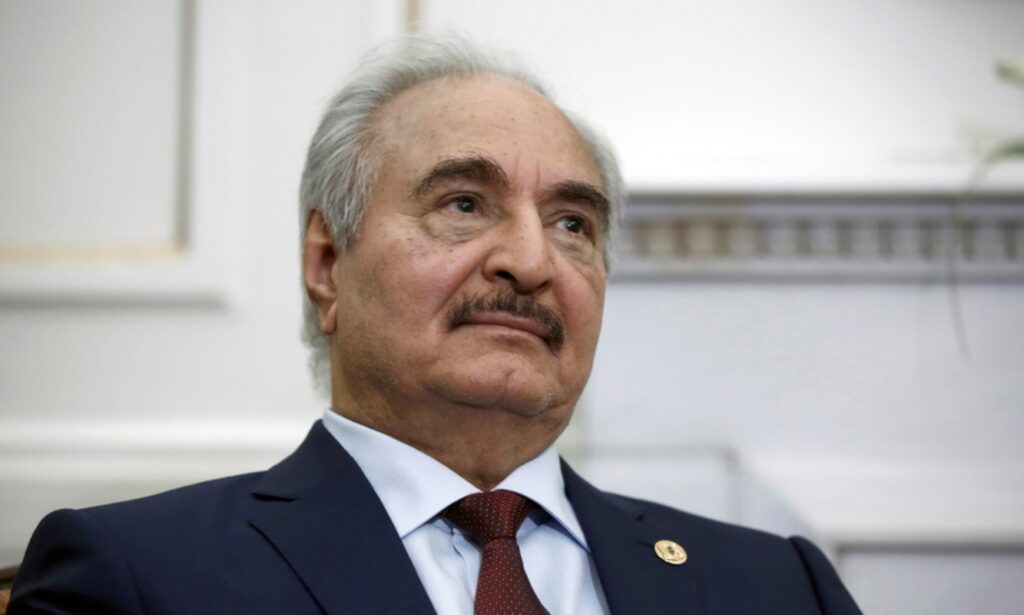
In recent years, Greece had developed active channels of communication with eastern Libya and the Khalifa Haftar camp, leveraging both diplomatic contacts and the interest of Greek business figures in operating within the country. A defining moment in this engagement was Haftar’s visit to Athens in 2020 and his meeting with Prime Minister Kyriakos Mitsotakis. According to the Star report, the Haftar side placed particular emphasis on securing investment funding and reconstruction projects, while also pursuing tangible economic benefits from any related agreements. Greek officials, according to the same sources, had at various points helped nurture these contacts — yet ultimately failed to preserve the earlier political alignment. In the summer of 2026, Saddam Haftar, the Libyan marshal’s son, also visited Athens, suggesting that communication channels remained open. Despite all these contacts, the subsequent vote by the Libyan parliament revealed that the Benghazi camp had ultimately chosen a very different course on the memorandum.
Turkey’s approach and the behind-the-scenes deal
According to Katerina Tsamouri’s analysis, Turkey exploited the economic and military needs of eastern Libya to deepen its cooperation with the Haftar camp. The report states that Ankara offered money, investments, weaponry, and military support, gaining a significant advantage at the negotiating table. In the same journalistic assessment, the ratification of the Turkey-Libya memorandum is presented as the political quid pro quo that Ankara was seeking all along. It should be noted, however, that the specific claims regarding the link between these offers and the Libyan parliament’s decision are based on journalistic reporting and are not accompanied — in the available material — by published documents that formally substantiate such a transactional arrangement. Turkey’s broader objective, according to the same analysis, is to entrench the memorandum’s standing in anticipation of Libya one day having a unified, elected government. The development carries particular weight for Athens, as the agreement directly concerns maritime zones in the Eastern Mediterranean and is firmly rejected by Greece.
The European Union’s response
The ratification of the Turkey-Libya memorandum triggered a European reaction, with all 27 EU member states expressing their opposition to the agreement and reiterating that they do not recognize its validity, according to Star. The European position represents a significant diplomatic asset for Greece, which has consistently and firmly objected to the memorandum’s contents. At the same time, the Star report is critical of how Athens has handled the situation, arguing that Greece failed to respond with sufficient effectiveness to Turkey’s growing presence in eastern Libya. This assessment brings the core question into sharp focus: could Greece’s diplomatic and economic engagement with Benghazi ever have been enough to prevent the Haftar camp from drawing closer to Ankara — and what room for maneuver does Greek diplomacy now have left?