“Where is the Supreme Leader’s successor?” — that is the question being asked by many both inside Iran and across the international community regarding Mojtaba Khamenei. The speculation that erupted months ago eerily echoes the theories that surfaced in the aftermath of the Kennedy assassination. Is he dead? In a coma? Hidden away somewhere, issuing orders from the shadows? These are among the most prominent scenarios circulating about the son of Ayatollah Ali Khamenei — a figure who has already been the subject of numerous reports questioning his mental capacity to govern, with tabloid outlets even running headlines about his personal life. The speculation surrounding Mojtaba Khamenei — who has been tasked with carrying forward the legacy of Iran’s theocratic regime and preventing the country from breaking away from the deep institutional network established after the 1979 Revolution — comes at a time when the Tehran regime is desperately trying to project an image of unity. That carefully crafted image is no coincidence: the entire Western community has condemned the regime’s practices and made clear its preference for change and a transition toward democratic values. The latest threats from the Iranian regime are being issued even as the nation continues paying tribute to Ayatollah Ali Khamenei.
Recent warning messages directed at the West — and specifically at France and the United Kingdom — regarding the two European nations’ positions in favor of freedom of navigation through the Strait of Hormuz have drawn an Iranian response denouncing “gunboat diplomats,” a characterization that speaks volumes about Tehran’s intentions as it continues to operate on a “one step forward, two steps back” basis.
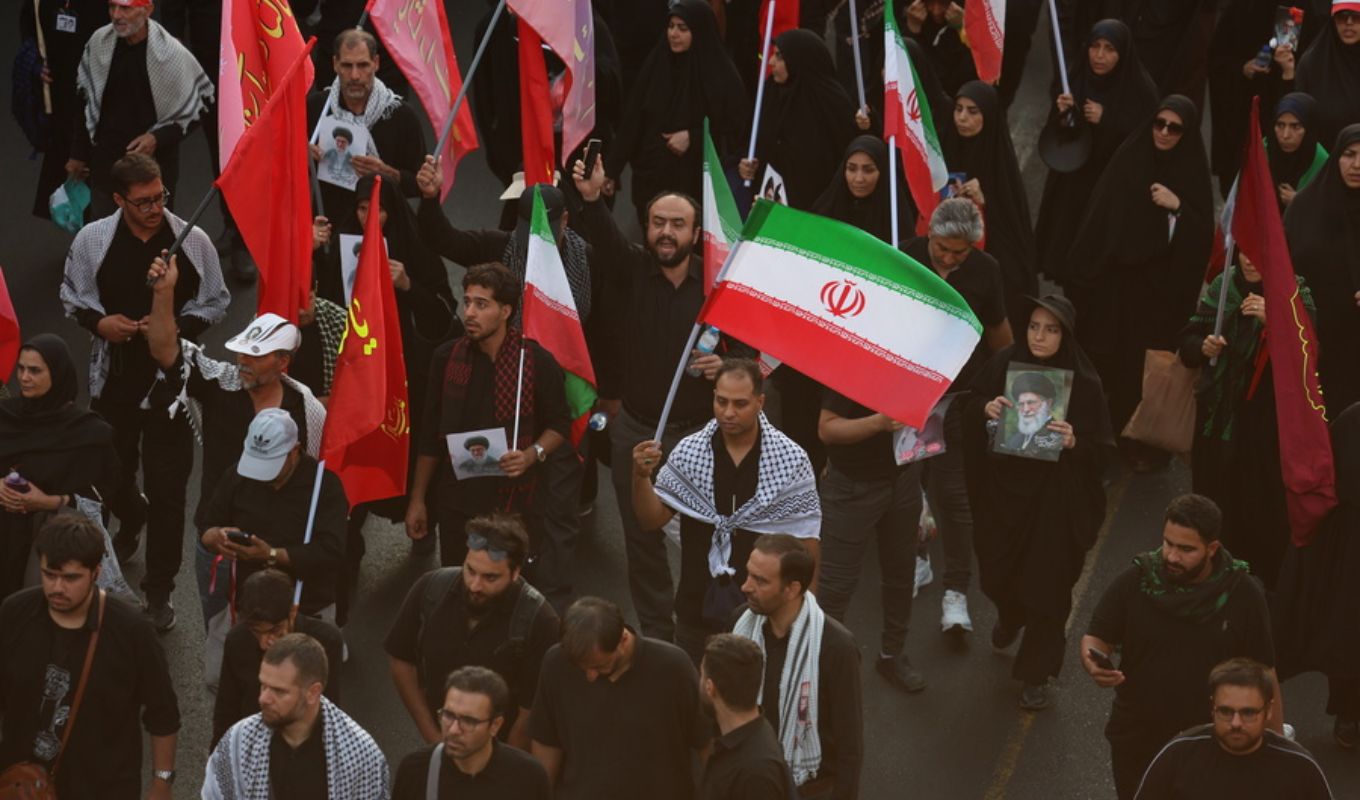
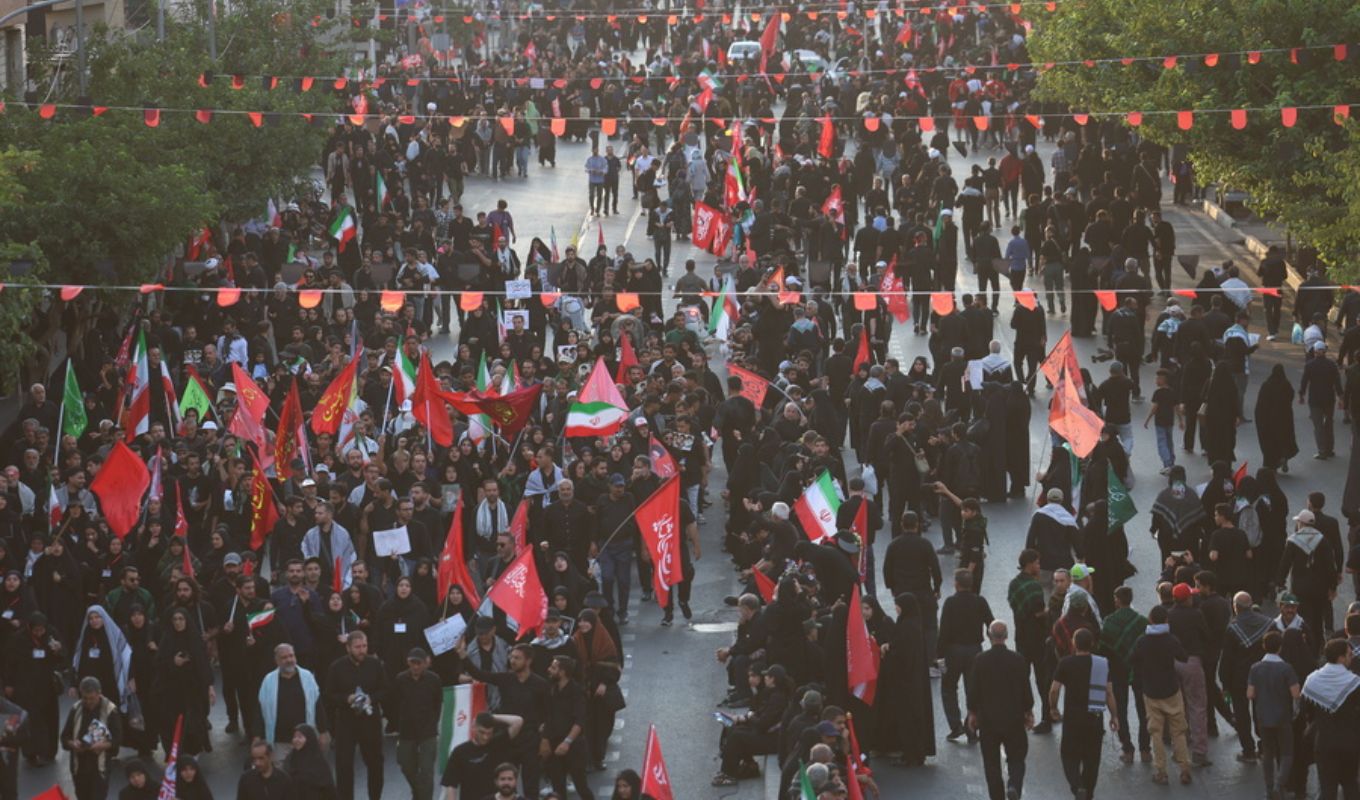
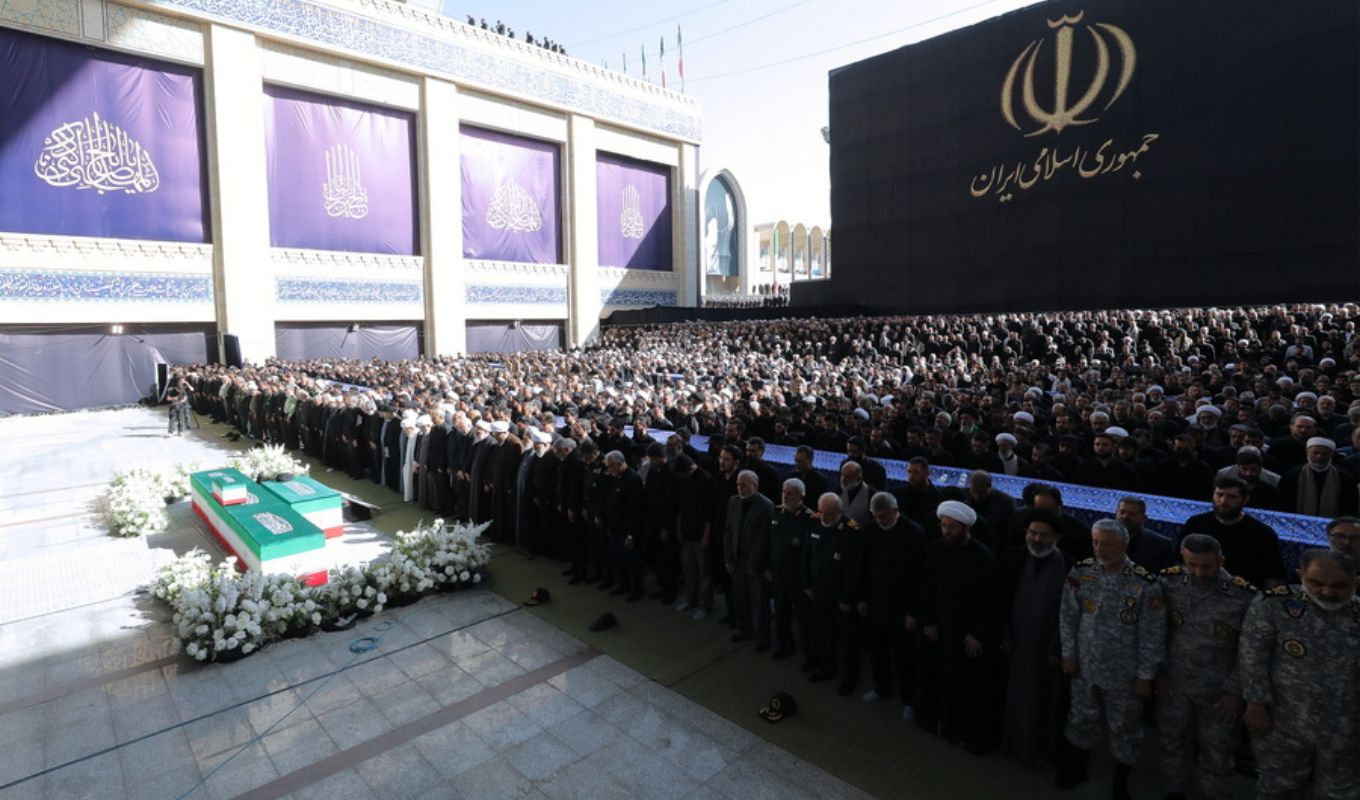
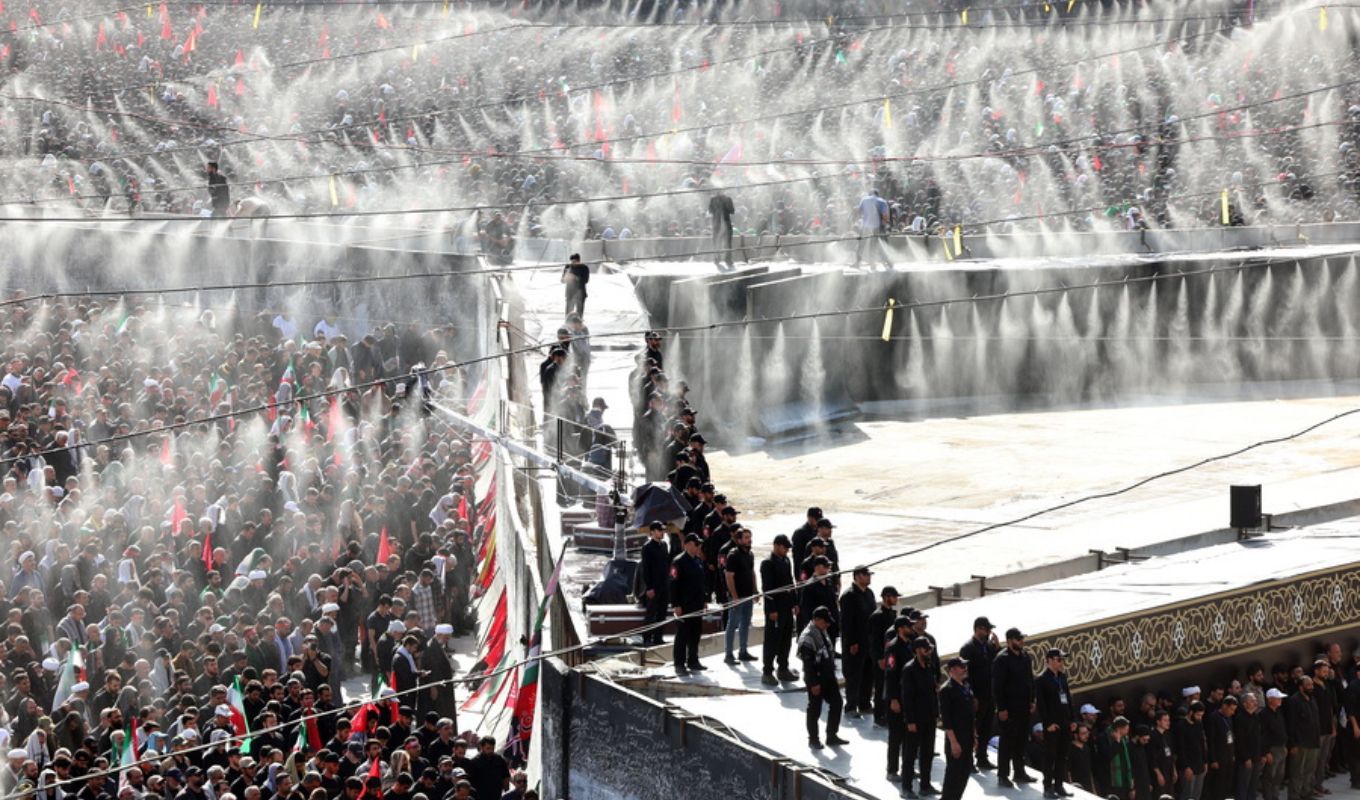
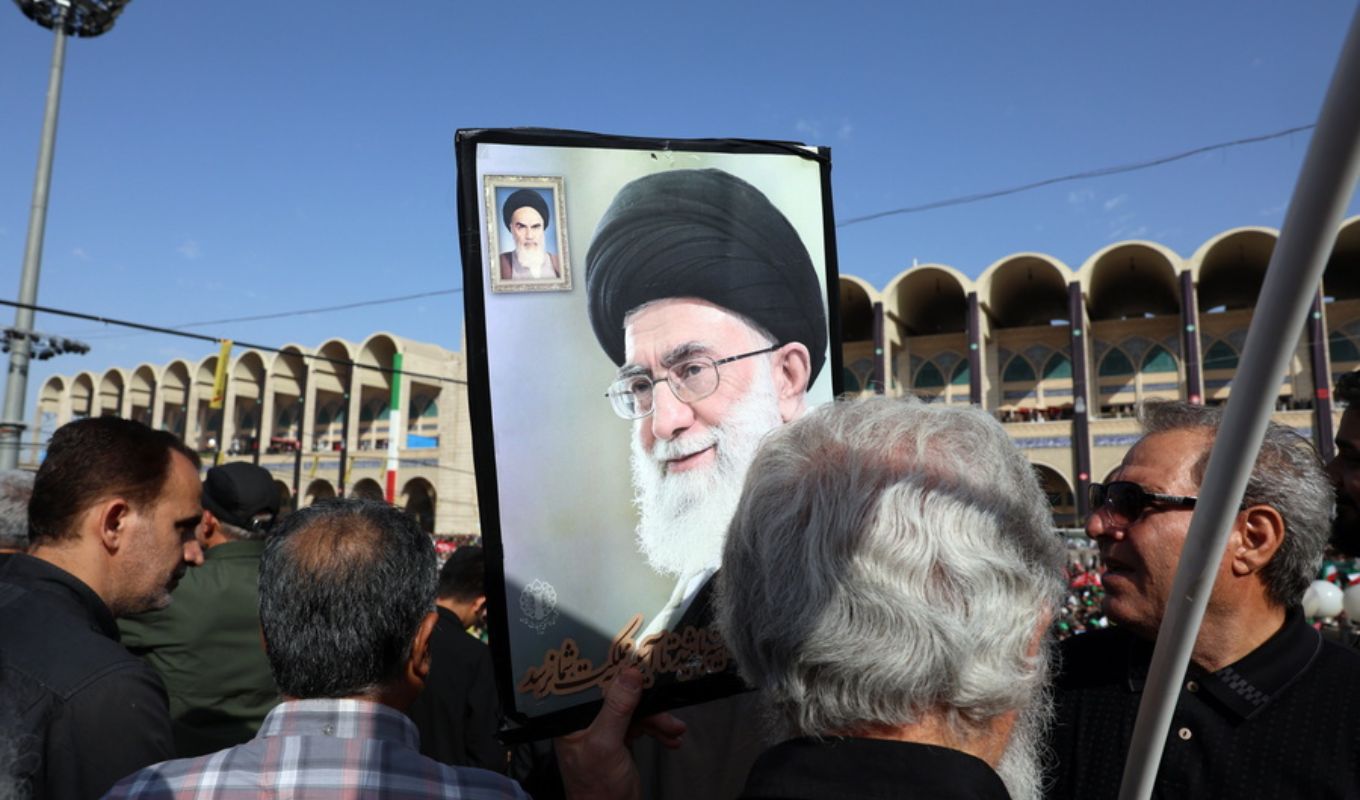
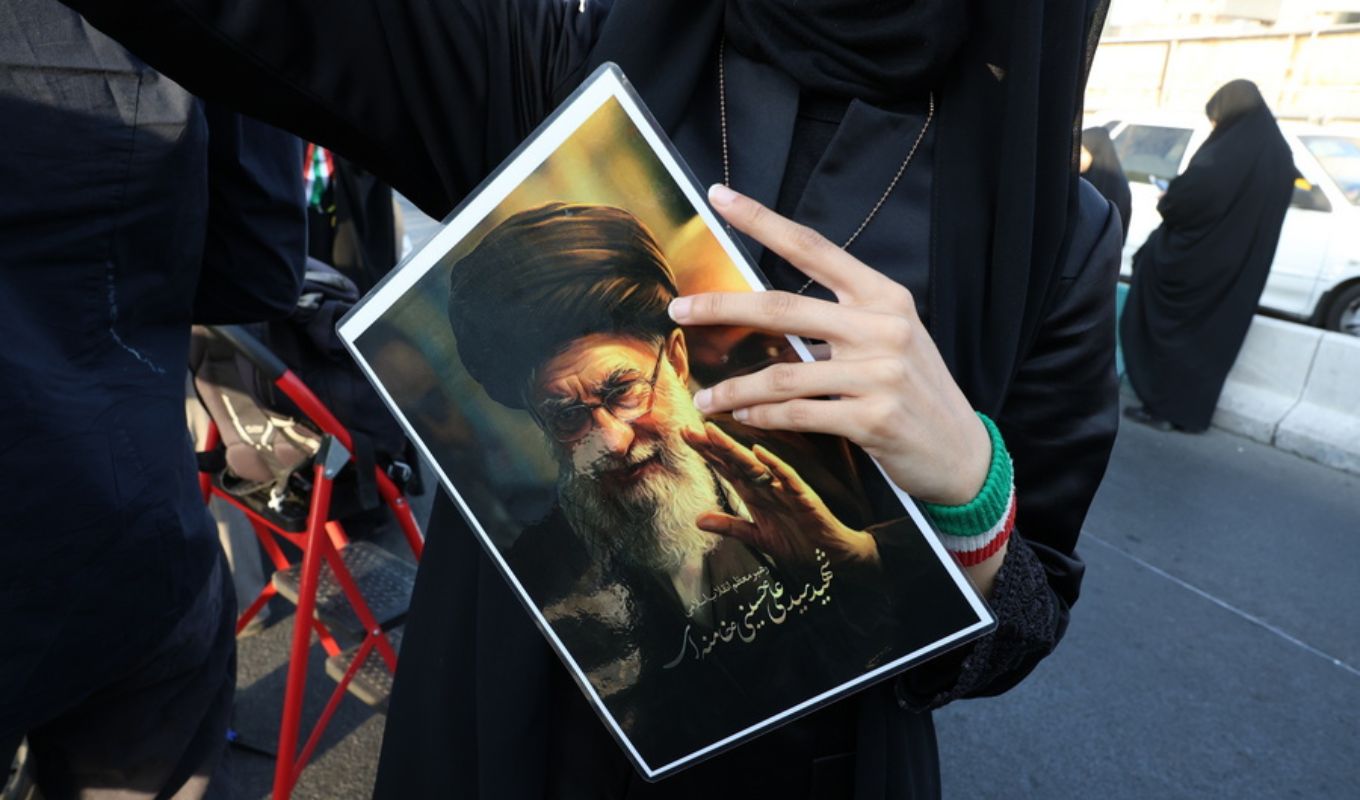
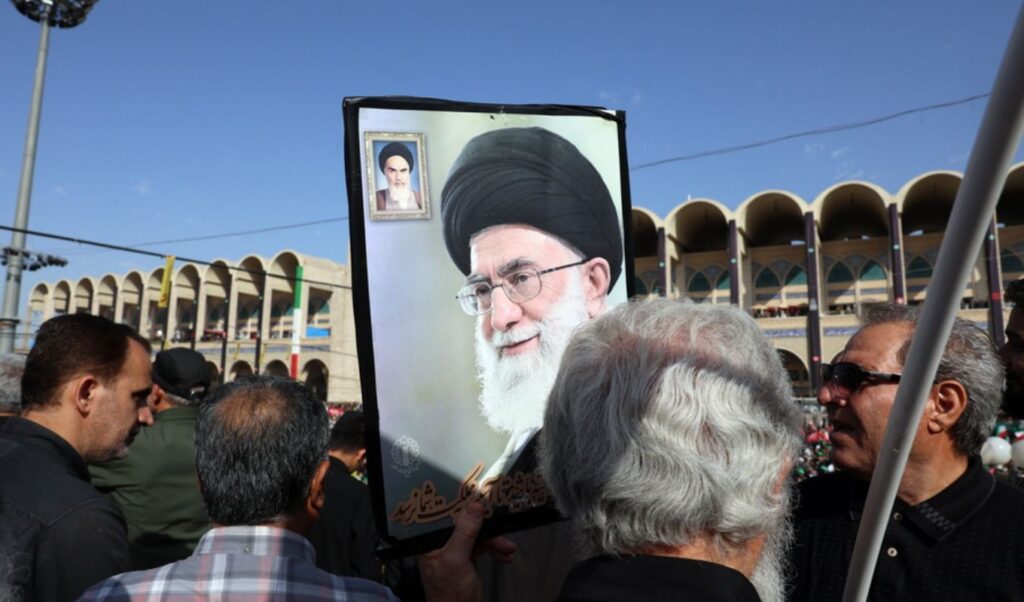
The funeral procession for Ayatollah Ali Khamenei
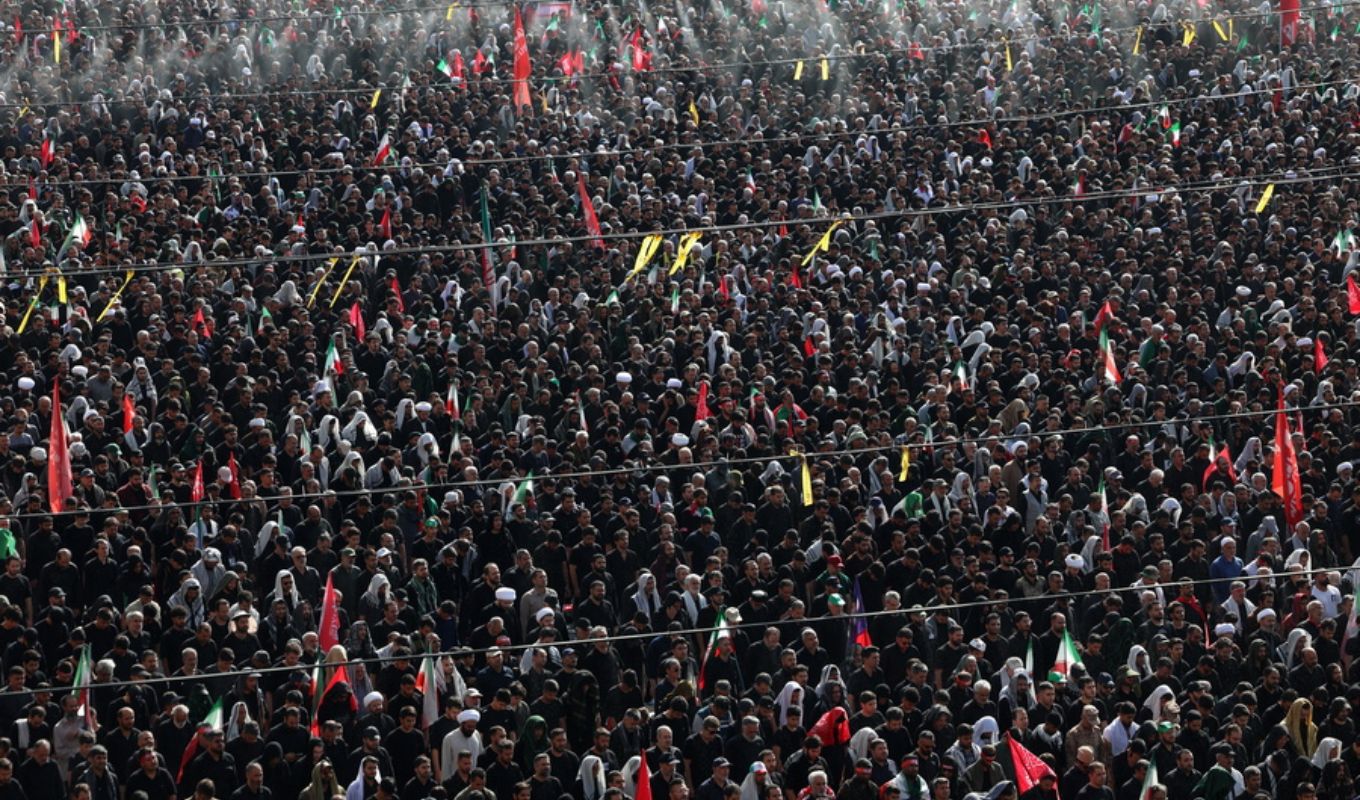
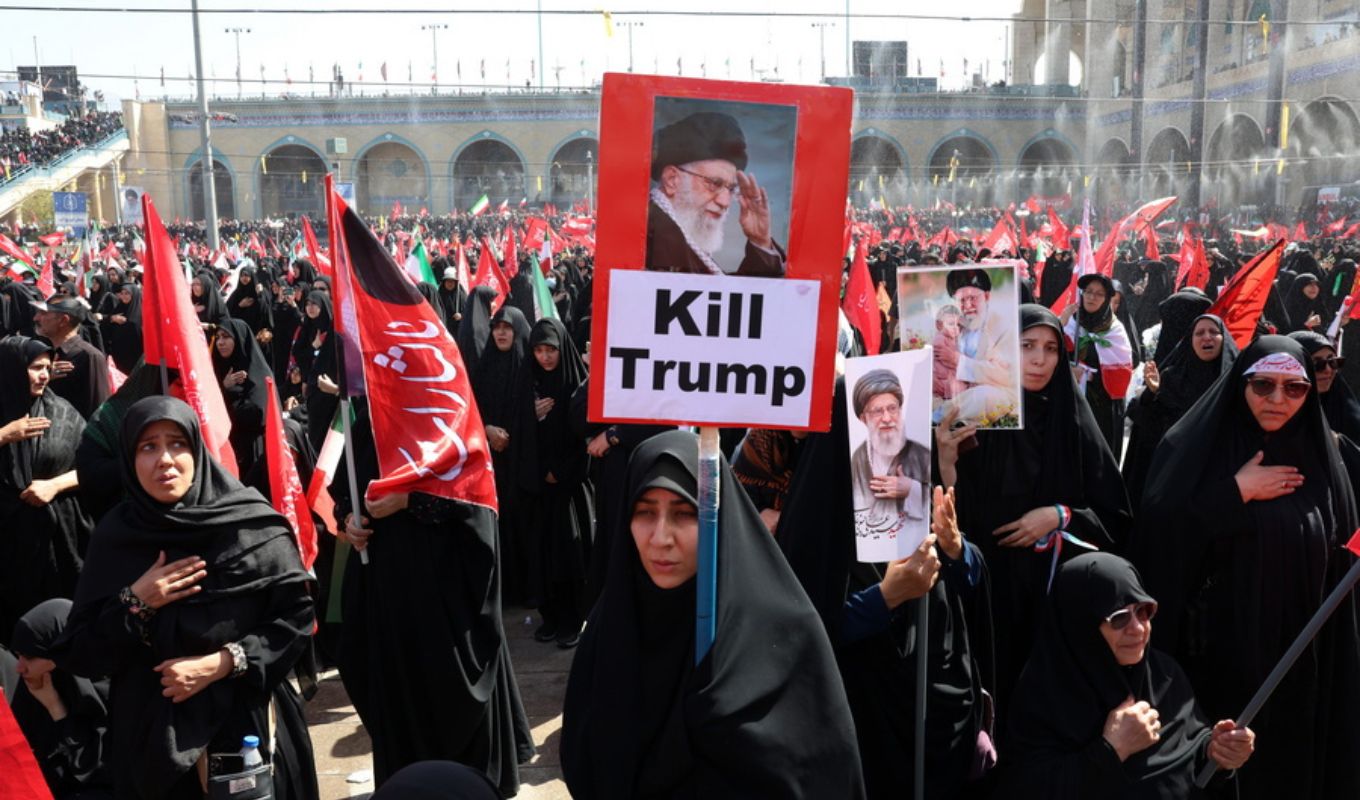
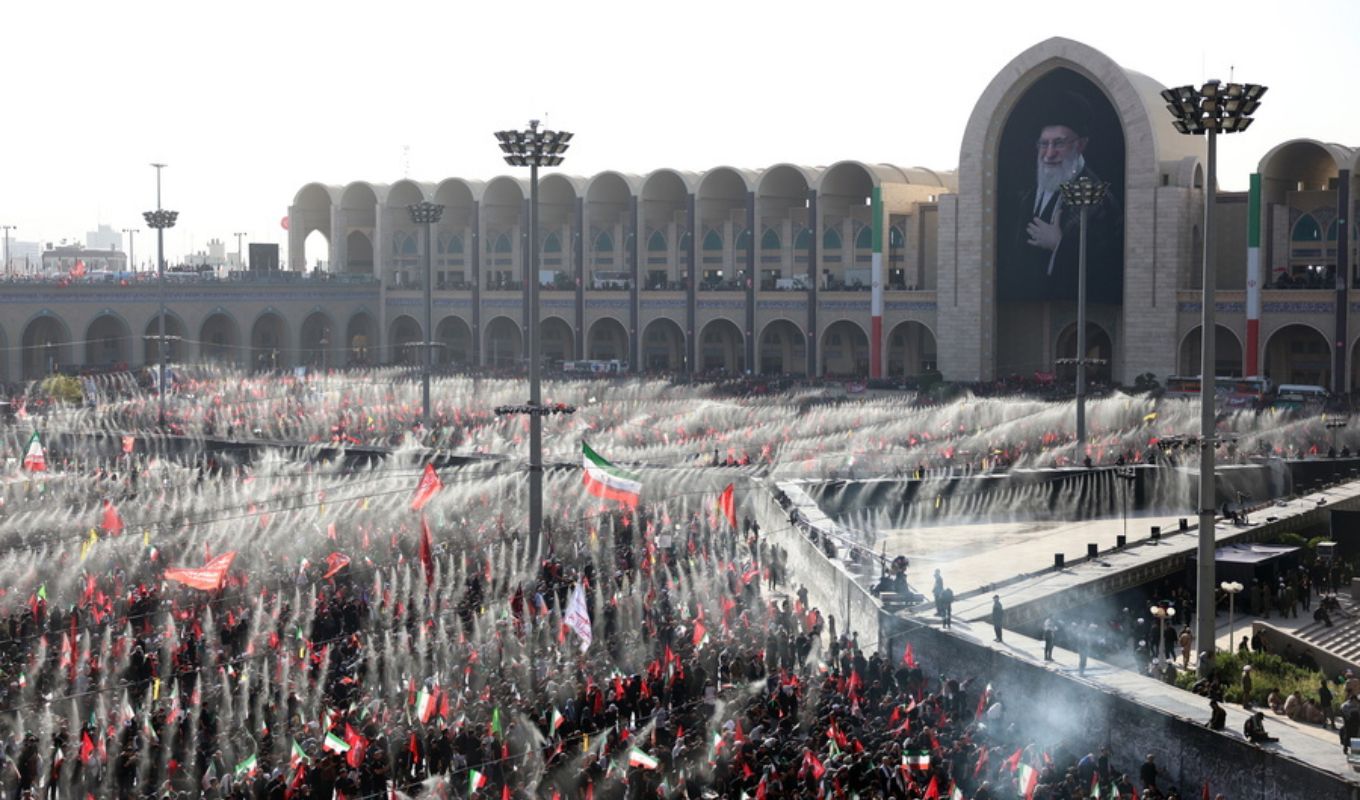
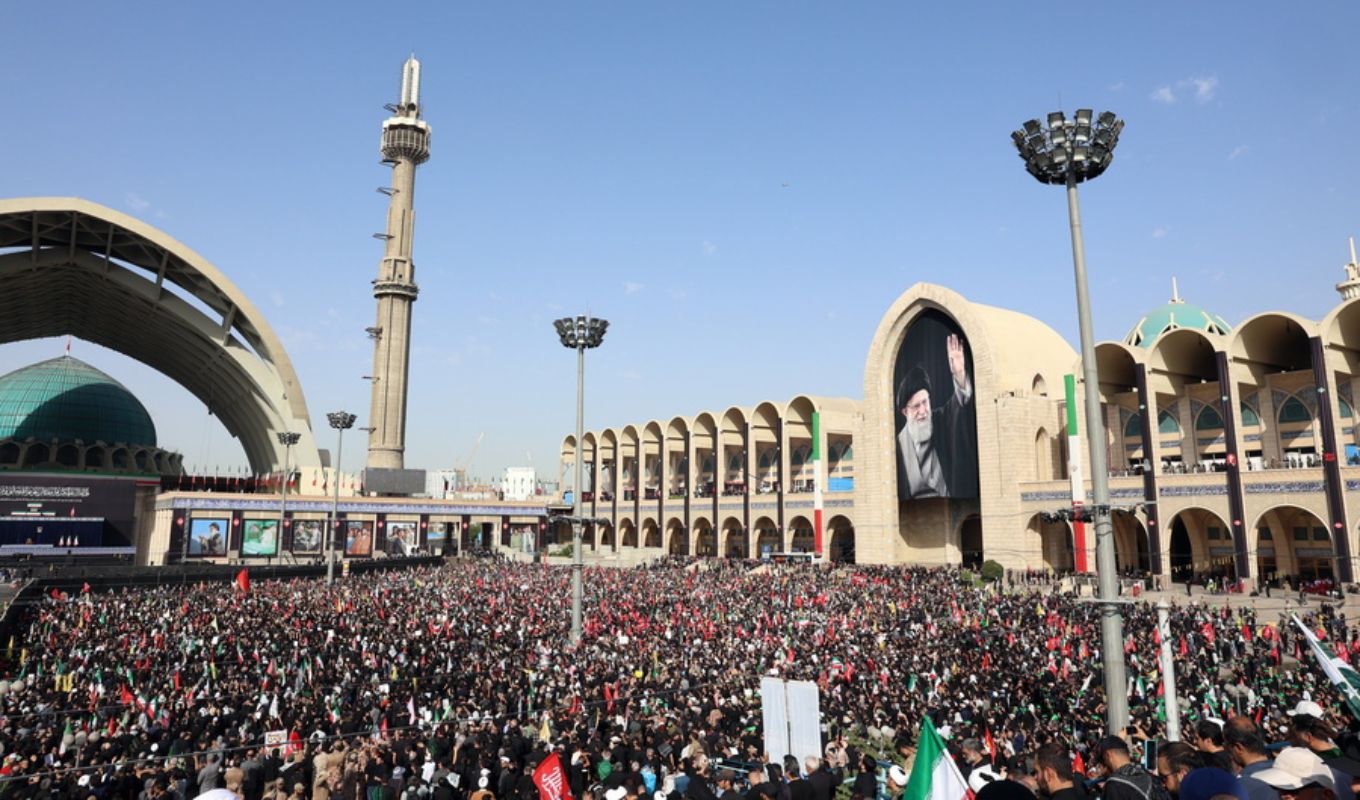
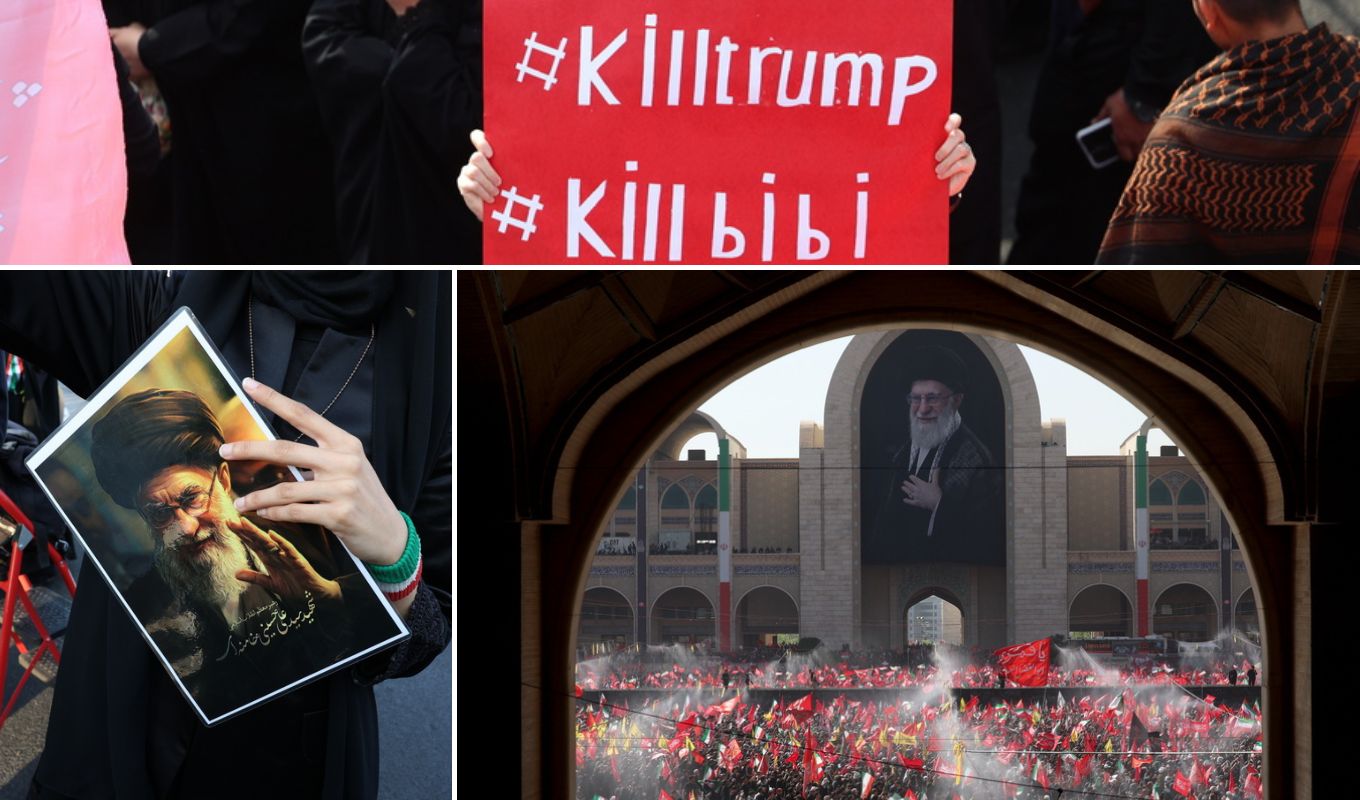
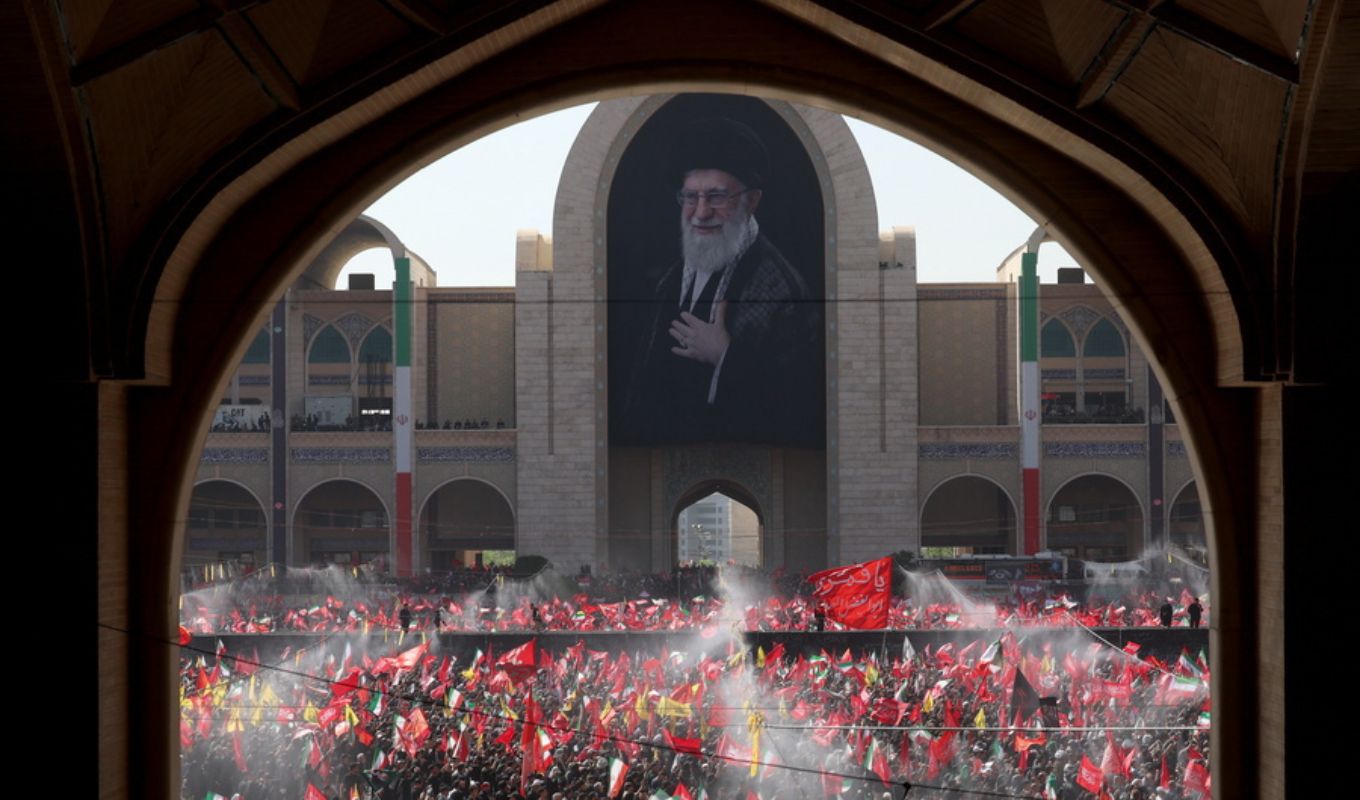
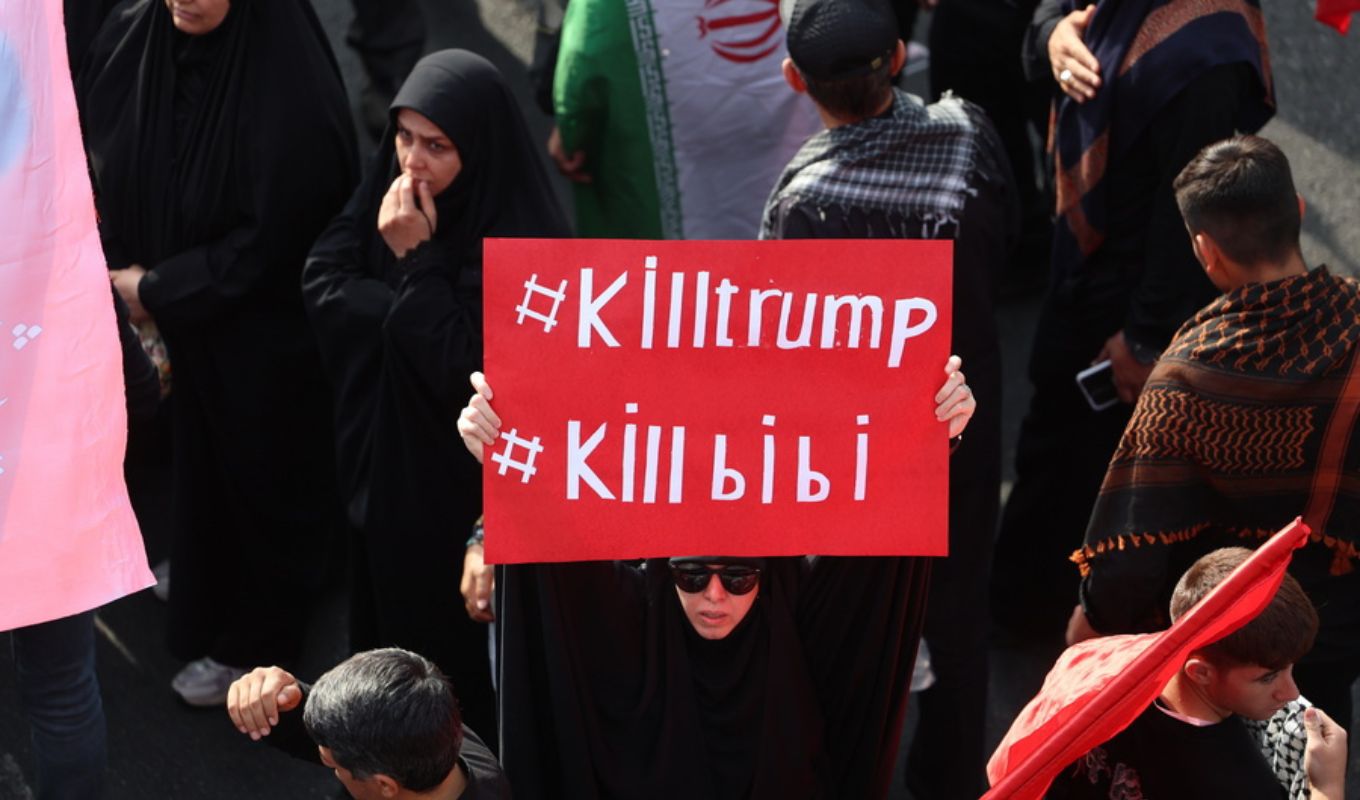
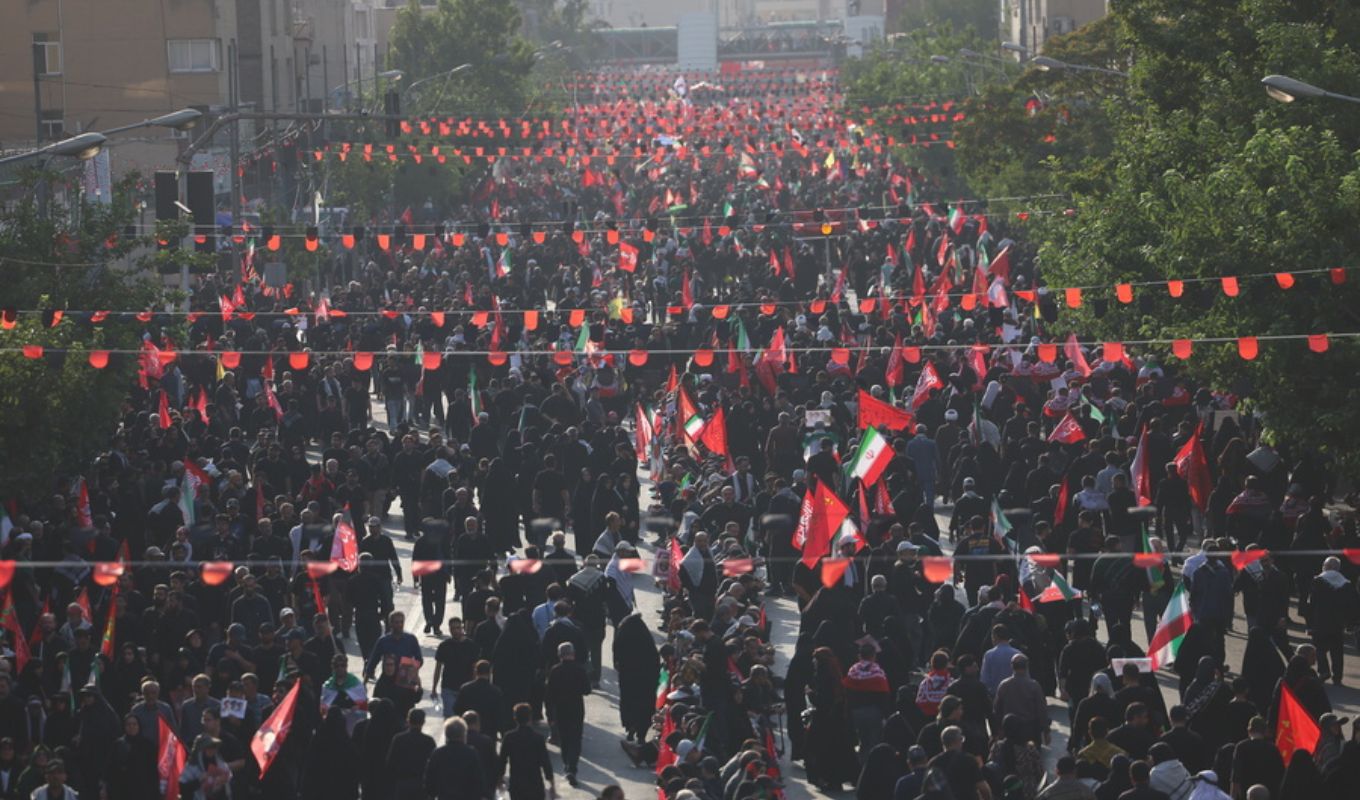
The funeral procession for Iran’s late Supreme Leader, Ayatollah Ali Khamenei, got underway on Monday in Tehran, state television reported, as authorities braced for crowds that could rival those seen nearly four decades ago at the funeral of his predecessor.
The ceremonies give the Islamic Republic of Iran an opportunity to project strength and unity after five weeks of war with the United States and Israel, even as attention remains fixed on Khamenei’s successor — his son Mojtaba Khamenei — who has not made a single public appearance since assuming leadership of the country.
After the body of Ayatollah Ali Khamenei lay in state for two days at Tehran’s Grand Mosalla religious complex, Khamenei — who was killed on the first day of the Middle East war on February 28 — began his final journey through the streets of the capital, accompanied by enormous crowds of mourners.
Thousands gathered at Imam Hussein Square in eastern Tehran, where an effigy of U.S. President Donald Trump was hanged, according to state media reports. Iranian authorities are determined to avoid a repeat of the chaos that marked the 1989 funeral of Khamenei’s predecessor, Ayatollah Ruhollah Khomeini, which drew an estimated 10 million people.
On that occasion, repeated surges in the crowd caused the deaths of more than ten people and left over 10,000 injured.
As early as Sunday, thousands of citizens had flooded the Grand Mosalla complex to pay their respects to Khamenei and the four members of his family who, according to Iranian authorities, were killed on February 28 in Israeli airstrikes.
Massive concrete barriers had been erected between the public and the coffin to prevent dangerous crowd surges and stampedes.
Khamenei funeral: Up to 15 million mourners expected
Authorities estimate that as many as 15 million people could take part in the funeral events for the former Supreme Leader. It remains unclear to what extent the public will be able to approach the funeral procession, but officials are keeping the events of 1989 firmly in mind — when they were forced to transport Khomeini’s body by helicopter to the burial site after thousands of mourners overwhelmed the vehicle carrying it, tearing the shroud and causing the body to fall to the ground.
Beyond the burial of Khamenei — who led the Islamic Republic for more than three and a half decades — the ceremonies also represent an opportunity for Iranian authorities to demonstrate the state’s resilience after five weeks of armed conflict with Israel and the United States.
Iranian parliament speaker and the country’s chief negotiator with the United States, Mohammad Baqer Qalibaf, praised in a post on X the way “the proud and undefeated nation of Islamic Iran unanimously paid tribute” to its “martyr.”
Monday’s procession is to be followed by ceremonies on Tuesday in the holy city of Qom, on Wednesday in the Iraqi holy cities of Najaf and Karbala, with the events culminating on Thursday with Khamenei’s burial in his hometown of Mashhad, in northeastern Iran.
Three of Ali Khamenei’s sons made a rare public appearance at Sunday’s funeral, which only served to highlight further the conspicuous absence of Mojtaba Khamenei, who was appointed Supreme Leader shortly after his father’s assassination but has yet to appear in public.
Iranian officials have stated that he was wounded in the airstrikes, but have not clarified the severity of his injuries.
The new commander of the powerful Islamic Revolutionary Guard Corps (IRGC), Ahmad Vahidi — whose predecessor was also killed on February 28 — appeared for the second time at the ceremonies on Sunday, this time outdoors, having made no public appearances throughout the entire course of the war.
Also present at the ceremonies was Esmail Qaani, head of the IRGC’s elite Quds Force, which is responsible for the organization’s overseas operations, making one of his own rare public appearances.
Despite Iranian authorities’ efforts to project an image of national unity, none of the living predecessors of President Masoud Pezeshkian — who did not maintain smooth relations with Khamenei — have appeared at the ceremonies so far.