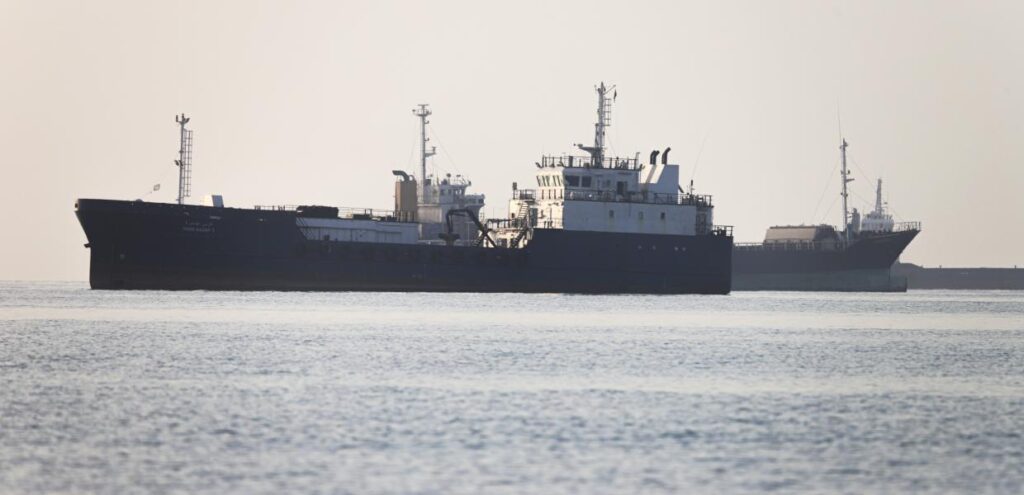
Washington sent a clear message to Tehran following the conclusion of technical talks between the United States and Iran, held over the past two days in Doha, Qatar. According to well-informed sources cited by the Al Arabiya and Al Hadath networks, the US made it clear to the Iranian side that it will not accept any changes to the existing status of the Strait of Hormuz. Iran continues to insist that it holds sovereign rights over passage through the Strait and maintains that it is entitled to impose fees for services rendered — a position firmly opposed by the United States. It is worth recalling that the memorandum of understanding signed in June between Washington and Tehran stipulated free passage of vessels through the Strait of Hormuz, without restrictions or fees, for a period of 60 days. Tehran, however, interpreted the agreement as a potential first step toward assuming future management of navigation through the Strait and collecting fees for regulating maritime traffic, in cooperation with the Sultanate of Oman. Oman has already made clear its opposition to any fees being imposed on international shipping, arguing that such a move would violate international maritime law.
Sources indicated that Washington regards Tehran’s stance on the Strait of Hormuz as the first real test of its commitment to the agreement and the memorandum of understanding signed last June. According to the American position, any change to the status of this strategic waterway would constitute a clear violation of the agreed terms.
At the same time, Washington is said to have signaled that it is closely monitoring every Iranian move in the Strait of Hormuz, and that any escalation will have immediate consequences for the implementation of their mutual agreements.
US & Iran: Next round of talks set for July 18
A high-ranking source also told Al Arabiya/Al Hadath that the next round of US-Iran talks has been scheduled for July 18.
According to the same information, Tehran has been informed that any progress on the issue of frozen Iranian assets will depend on its full compliance with the terms of the memorandum of understanding, as well as its conduct on the ground — particularly with regard to freedom of navigation through the Strait of Hormuz.
Meanwhile, the unified command of Iran’s armed forces argued that the continued US military presence in the airspace over the Strait of Hormuz poses a threat to regional security.
Iran’s military also warned that any American intervention in the area would be met with an “immediate and decisive response.”
Iran’s armed forces further asserted that “all vessels are required to follow the maritime route designated by Tehran” in order to ensure safe passage through the Strait.
New tensions flare after mutual accusations
Tensions between Tehran and Washington reignited at the end of last week, following mutual accusations of ceasefire violations and attacks on vessels operating in the Strait of Hormuz.
Both sides accused each other of breaching the ceasefire, following attacks attributed to Iran that targeted ships attempting to transit the strategic waterway.
In response, the United States carried out strikes against military targets in southern Iran, while Tehran announced it had struck facilities linked to the US in Kuwait and Bahrain.