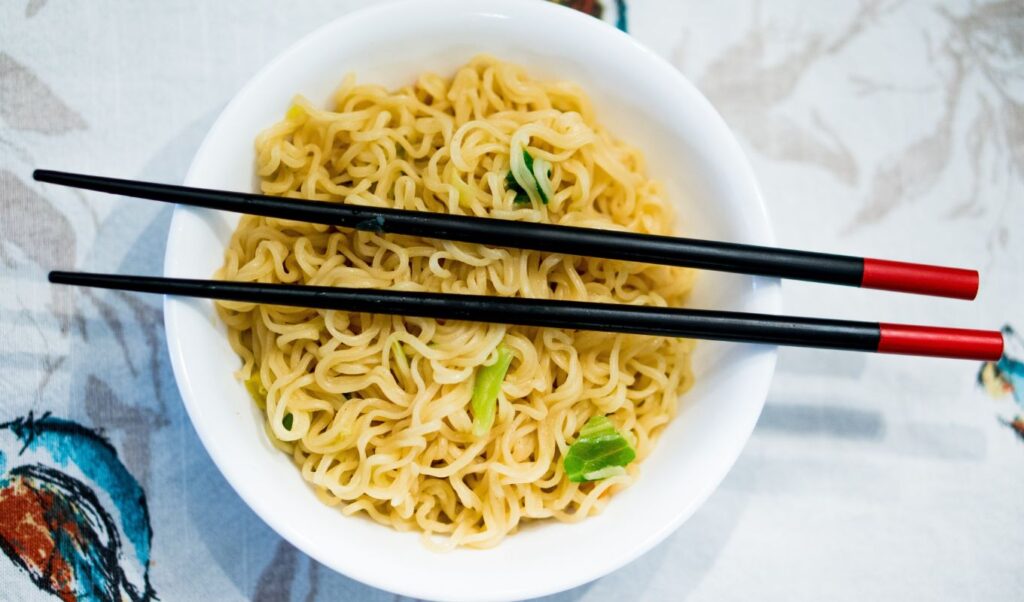
Flavored noodles are the most likely source of a salmonella outbreak sweeping across Europe, according to findings from a rapid outbreak assessment conducted by EFSA and ECDC. The evidence presented links confirmed cases to products from the same brand.
Salmonella infection: 106 cases across 13 countries since November 2025
According to the European Centre for Disease Prevention and Control (ECDC), between November 2025 and June 2026, 106 confirmed cases were recorded across 13 countries in the European Union / European Economic Area and the United Kingdom.
The outbreak has primarily affected children and young adults, with at least 49 individuals requiring hospitalization. Cases have been reported in Austria, the Czech Republic, Denmark, Estonia, France, Germany, Hungary, Latvia, Lithuania, the Netherlands, Norway, Poland, Sweden, and the United Kingdom.
Warning over flavored noodle products
Epidemiological investigations found that cases in Denmark, Estonia, Germany, Latvia, and Lithuania had consumed flavored noodle products from the same brand.
Additional microbiological findings strengthen the link, as the outbreak strain was detected in Germany and Lithuania in chicken-flavored and spicy chicken-flavored noodles belonging to the same brand.
Investigations connect these products — which were distributed across several countries — to the same manufacturer in Ukraine, pointing to a possible common contamination source at the production facility level. However, further investigation appears to be required. Other salmonella strains have also been detected in products from the same brand, suggesting that more than one contamination source may be involved.
Control measures and product recalls
Food safety authorities across the affected countries have implemented control measures, including withdrawals and recalls of the implicated products, which are expected to reduce the likelihood of new outbreak-related infections.
However, the root cause and the exact points of contamination have not yet been identified. As a result, new cases may still emerge — particularly because these products have a long shelf life and may remain stored in household kitchens for extended periods of time.
What consumers should do
Consumers who find that they have products from the recalled brand in their possession are advised not to consume them, but instead to return them to the point of sale or dispose of them.
For products that are not ready to eat — including the specific flavored noodles in question — consumers should strictly follow the preparation instructions on the packaging and adhere to proper food hygiene practices during cooking.
Public health authorities are encouraging interviews with confirmed cases in order to share information with the ECDC. Food safety authorities are called upon to continue investigations into the suspected products so that the source of infection can be confirmed and the origin of the contamination identified. This is particularly important in determining whether the contamination is linked to one or more raw ingredients.