Iran announced that significant progress has been achieved in negotiations with the United States, with several key points of a potential agreement now finalized. Nevertheless, Tehran clarifies that immediate finalization is not expected, as open issues requiring further negotiation remain. At the center lies the extension of the fragile ceasefire for 60 days, as well as the gradual restoration of operations in the Strait of Hormuz.
Diplomatic processes are in full swing, with key Iranian officials traveling to Doha for new contacts. According to information from a person familiar with the talks, Iranian parliament speaker and chief negotiator Mohammad Bagher Ghalibaf, along with Foreign Minister Abbas Araghchi, traveled to Qatar to discuss the final details of the agreement with mediators.
At the same time, Iran’s Central Bank governor Abdolnaser Hemmati also traveled to Doha, with discussions focusing on the release of Iranian funds that remain frozen abroad. According to Iranian state media, Tehran has approximately six billion dollars locked up in Qatar, which has recently taken on a more active role in mediation efforts.
US & Iran: Washington’s optimism and the markets
Iranian Foreign Ministry spokesperson Esmail Baghaei argued that delays in reaching an agreement are mainly due to Washington’s changing positions, noting that the United States’ shifting stance makes progress in talks difficult. Meanwhile, he acknowledged that on several issues the two sides have already found common ground.
From Washington’s side, Secretary of State Marco Rubio stated that the American government intends to give “every possible opportunity to diplomacy,” while warning that if talks fail, the United States will seek “other options.” As he characteristically noted, there will either be a satisfactory agreement or the crisis will be addressed differently.
Diplomatic sources emphasize that both Washington and Tehran want an agreement, but the deep mistrust characterizing their relations makes the process extremely fragile. Neither side wants to appear to be backing down against their opponent.
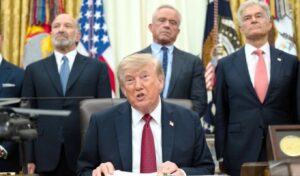
Expectations for progress were strengthened over the weekend when US President Donald Trump stated that the final details of the agreement are under discussion and could be announced soon. A few hours later, however, he appeared more cautious, revealing that he had asked American negotiators not to rush the process. As he wrote on Truth Social platform, “both sides must take their time so there are no mistakes.”
The prospect of crisis de-escalation immediately affected international markets. Oil prices recorded significant drops in Asian trading, while stock exchanges in Asia, Europe and the United States posted gains. Brent fell more than 5%, while US crude recorded a similar decline.
The possibility of restoring operations in the Strait of Hormuz
A key point of the agreement is considered the restoration of operations in the Strait of Hormuz, through which approximately 20% of global oil and natural gas trade passes. The agreement provides that Iran will gradually allow restoration of shipping and proceed with demining the area, with the assistance of international forces. British media report that London is preparing to send ships and personnel to assist in security operations.
Meanwhile, the United States appears willing to ease the naval blockade on Iranian ports and gradually proceed with lifting sanctions and releasing Iranian assets, depending on the progress of negotiations.
A significant chapter of the talks remains Iran’s nuclear program. The two sides are examining solutions that would include either dilution or surrender of highly enriched uranium stockpiles. Donald Trump has repeatedly stated that the United States’ goal is to prevent any possibility of nuclear weapon development by Tehran.
Meanwhile, inside Iran, authorities are considering reconnecting the country to the global internet, which remained restricted throughout the crisis. The final decision is expected to be made by President Masoud Pezeshkian, when it is confirmed that the agreement has been finalized.
Tehran, however, seeks for any potential agreement to contribute overall to de-escalating conflicts in the Middle East, implying that it wants to include the front between Israel and Hezbollah in Lebanon.