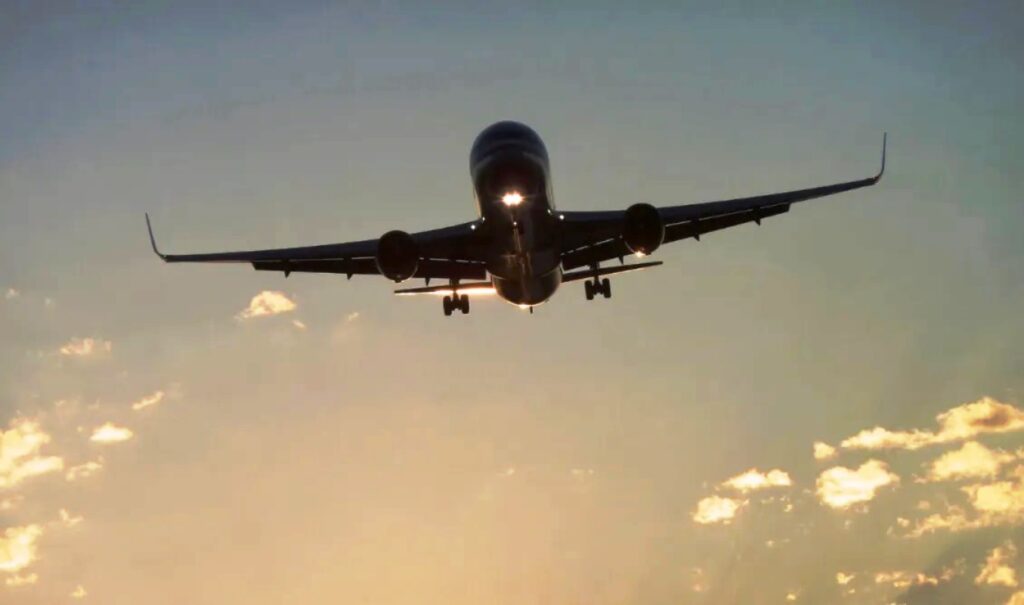
The situation around fuel supplies in the European Union remains stable for now, according to the European Commission, however geopolitical tensions in the Middle East have put European mechanisms on high alert. Brussels is attempting to balance market reassurance with the need to prepare for potential negative scenarios, clarifying that there is currently no overall fuel shortage, while simultaneously strengthening coordination among member states. The situation is considered critical, as the aviation sector is directly affected by any disruption in the energy supply chain, while developments in the broader region create uncertainty for the future. In this context, the European Union is closely monitoring developments and taking preventive measures, seeking to ensure that market operations and transportation will not be disrupted.
Read: Costa and von der Leyen welcome ceasefire between Israel and Lebanon
Fuel supplies and Commission’s reassuring statements
European Commission spokesperson Eva Hrncirova emphasized that “there are no overall fuel shortages in the EU at this time,” noting that fuel availability is a key priority for European authorities. As she mentioned, the European Union has significant crude oil refining capacity and aircraft fuel production capability, which strengthens the resilience of its energy system. Despite these assurances, concerns remain, as both statements from the Energy Commissioner and assessments from the airline market indicate that the situation could change, depending on the evolution of international events.
The fuel teleconference and next steps
In this context, EU Transport Ministers will participate in an informal teleconference organized by the Cypriot Presidency, aimed at assessing the impact of the Middle East situation. According to a European official, “while the full consequences remain uncertain, it is clear that there are disruptions to energy infrastructure, airspace and the global supply chain.” The discussion will focus on three key priorities: strong EU coordination, reducing dependence on external fossil fuels, and implementing concrete, applicable measures. At the same time, the possibility of price increases in air transport is on the table, with member states emphasizing the need for a coordinated and proportional approach, compatible with single market rules. The overall message is that, despite current adequacy, the European Union remains in a state of heightened vigilance in an environment that could change rapidly.