The EU’s New Pact on Asylum and Migration and the so-called “return hubs” were among the key topics in Thanos Pleuris’s intervention at the Justice and Home Affairs Council of the European Union in Luxembourg. Specifically, the Migration and Asylum Minister reiterated Greece’s full support for implementing the New Pact, while clarifying that the country is completing necessary preparations at institutional and operational levels to be ready for timely implementation of the new European framework.
Read: Thanos Pleuris in Luxembourg for EU Justice and Home Affairs Council – What will be discussed
Pleuris: “The problem cannot be shifted to frontline countries”
It should be noted that the main political message of Mr. Pleuris’s intervention was that the Pact cannot succeed if limited to managing arrivals and distributing responsibilities. As he emphasized, the critical field is returns of those not entitled to stay in Europe.
Specifically, in his intervention, the Greek minister stressed that the New Pact’s success requires substantial European cooperation, balanced responsibility sharing, and strengthening joint action. According to the ministry’s announcement, Mr. Pleuris emphasized that “the Pact’s success depends on intensifying and increasing returns of illegal migrants to their countries of origin or to third countries, not on shifting the problem to frontline countries”.
This reference reflects Greece’s consistent position that EU external border states cannot bear disproportionate burden in migration management. For Athens, the new European framework must combine solidarity, border protection, fast procedures, and effective returns.
Returns and European “return hubs”
As fundamental credibility for the New Migration and Asylum Pact, Mr. Pleuris highlighted return policy. The Greek side considers that a European asylum system cannot be deemed functional if those receiving negative decisions ultimately remain within the Union.
With this reasoning, Athens insists that returns must be increased, accelerated, and organized at European level, with common tools and coordination between member states. The minister’s message was clear: without returns, the Pact risks remaining on paper.
In this context, the minister also referred to ongoing discussions in Europe about new tools for managing irregular migration. Among these are the so-called “return hubs,” namely return nodes in third countries, which could be utilized to enhance the overall effectiveness of the European system.
The return hubs idea is being discussed increasingly intensively in the EU, as several member states seek ways to increase returns and reduce pressure on national asylum systems. The Greek side views return hubs as a tool that can function complementarily, provided there is common European agreement and a clear legal framework.
The issue of Ukrainian men of military age
Meanwhile, during Thanos Pleuris’s intervention, attention was drawn to the Greek minister’s position favoring re-examination of the protection framework provided to Ukrainian men of military age.
This is an issue already being discussed among European Union member states, as temporary protection for Ukrainian refugees remains in force while the war continues and Ukraine faces increased military mobilization needs.
For his part, Mr. Pleuris emphasized the need to take measures to avoid further burdening the asylum system. He also requested comprehensive re-examination of international protection procedures, including temporary protection and asylum.
Hard line on single military-age men from third countries
According to sources from the Migration and Asylum Ministry, Thanos Pleuris argued that protection status, including asylum, should be drastically restricted or even abolished for single young men from third countries of military age who enter the European Union illegally.
This represents one of the harshest positions articulated in the Greek intervention.
The position connects to broader European discussions about who should be covered by protection regimes, how to separate truly vulnerable groups from those not meeting criteria, and how to avoid overloading asylum systems. The Greek side shows it wants a stricter framework, particularly for young men arriving irregularly in the EU without belonging to immediately vulnerable categories.
Council discussions took place in an environment of heightened geopolitical uncertainty, with Middle East developments causing intense concern among member states regarding potential impacts on migration flows and regional stability. Greece emphasized the need for constant vigilance and European coordination against new challenges that may arise.
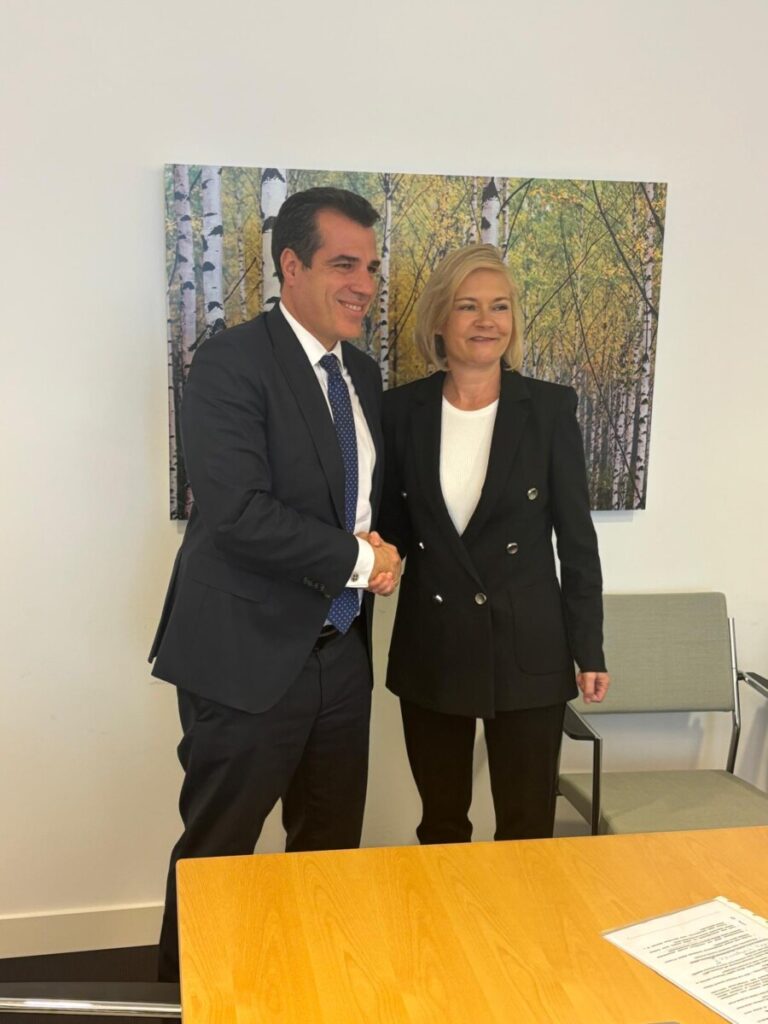
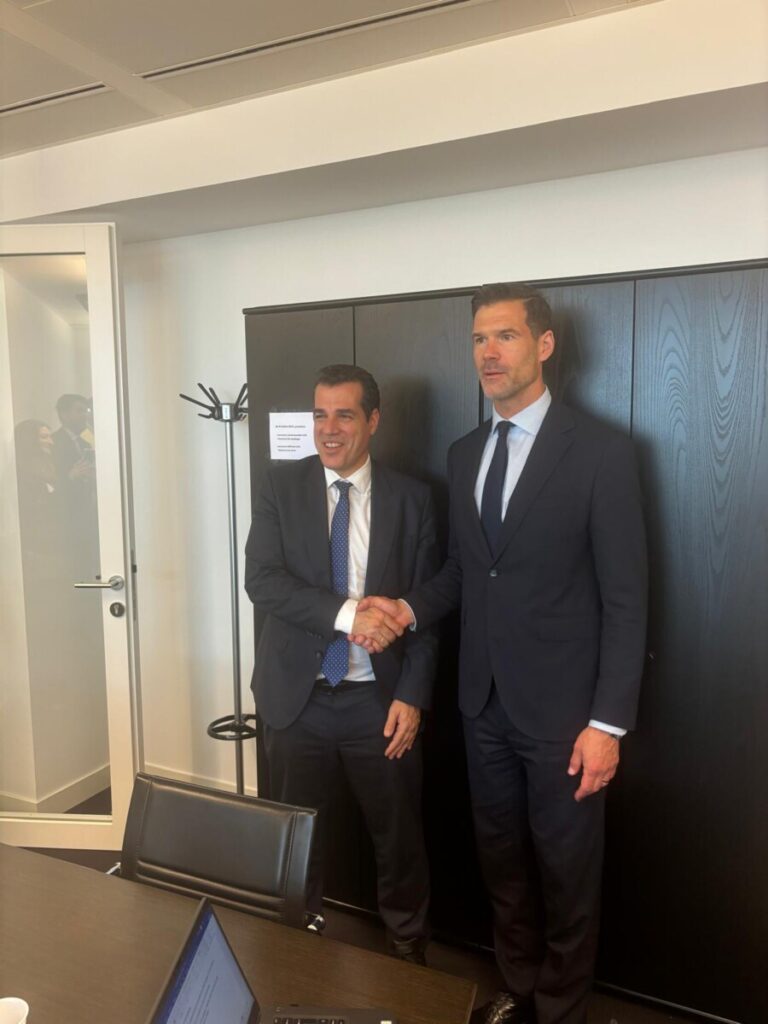
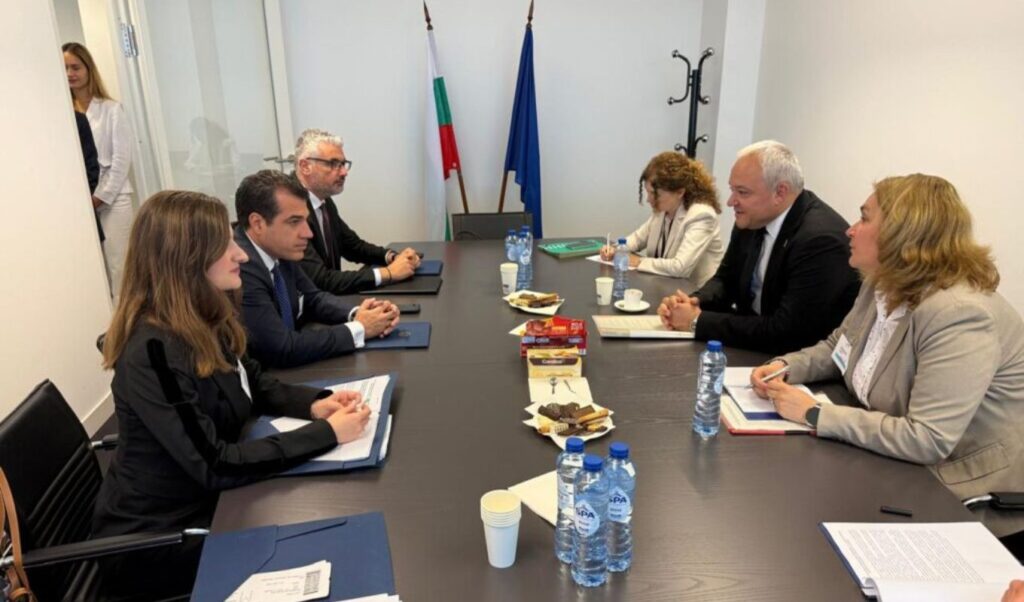
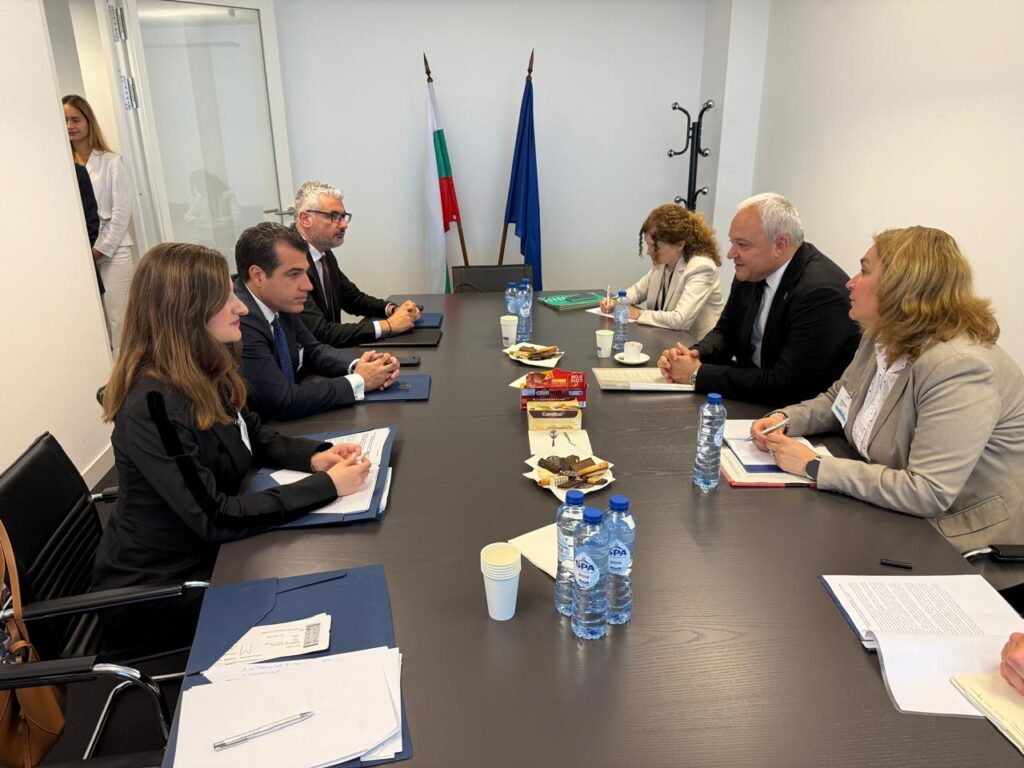
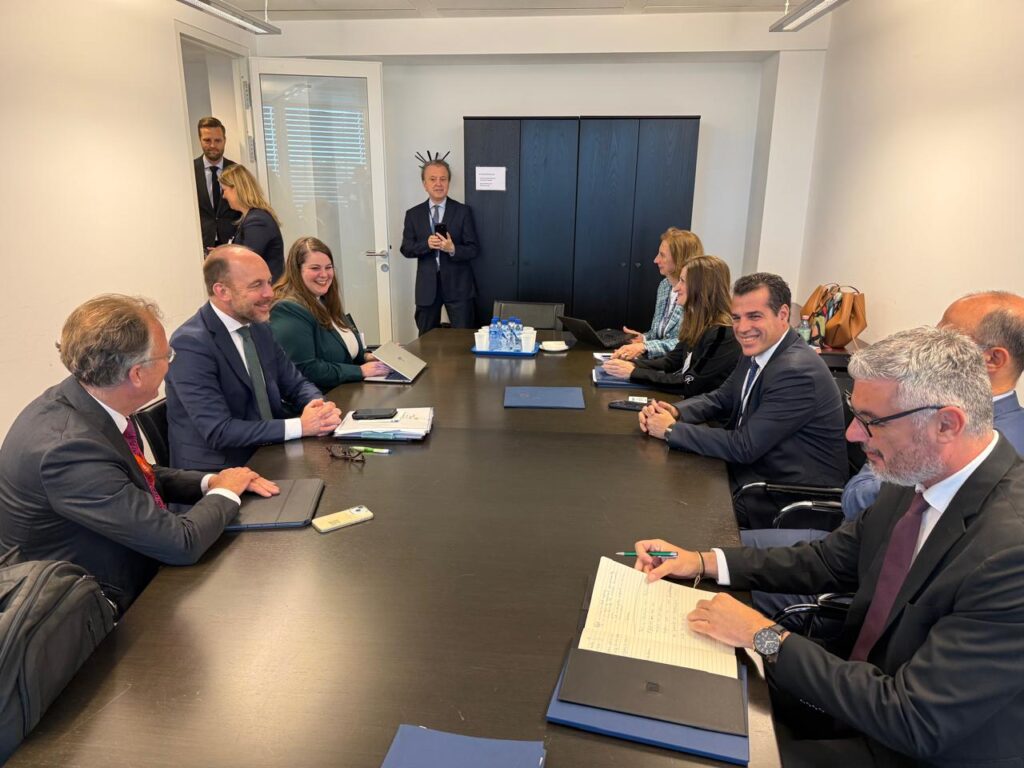
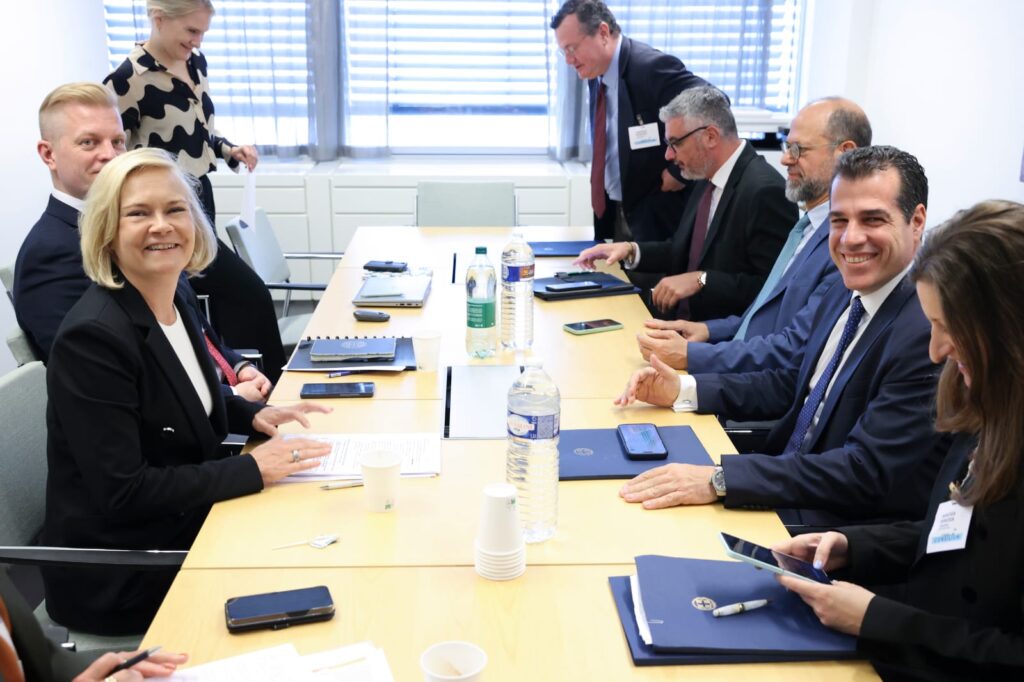
On the Council’s sidelines, the Minister held bilateral meetings with counterparts from the Netherlands, Finland, Sweden, Switzerland, and Bulgaria. Discussions focused on latest migration developments, New Migration and Asylum Pact implementation, EU external border protection, and strengthening cooperation between member states for effectively addressing common challenges. The Minister was accompanied by General Secretary of Migration Policy Ms. Nadia Papakosta, Asylum Service Director Mr. Marios Kaleas, and Ministry Diplomatic Advisor Mr. Nikolaos Giotopoulos.