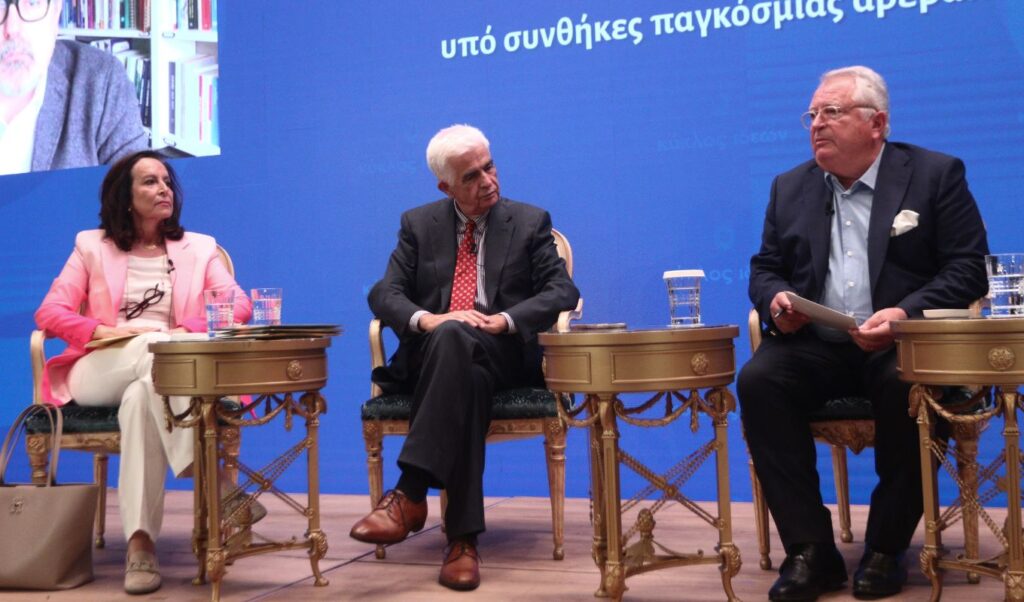
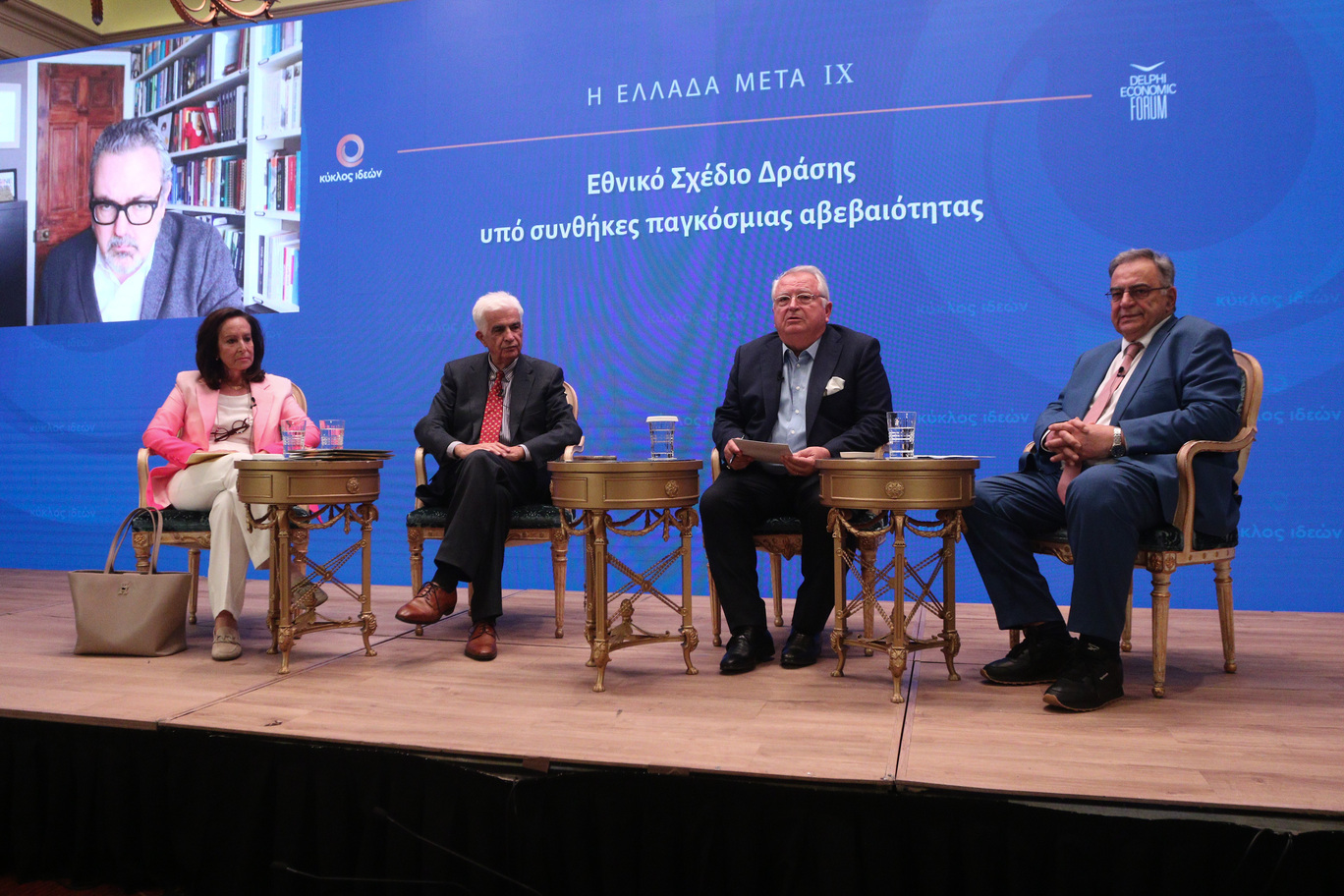
What are today’s social problems? Why can’t the government provide solutions? Are there alternative proposals? Why would it be suicidal for PASOK to talk about cooperation with New Democracy? These were some of the questions discussed in a particularly interesting panel, within the framework of the annual Conference titled “National Action Plan under conditions of global uncertainty“, organized by the Circle of Ideas in collaboration with the Delphi Economic Forum.
Diamantopoulos: New Democracy is PASOK’s political rival until the elections
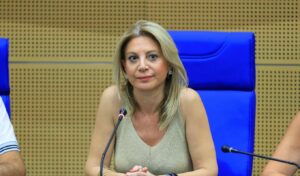
Anna Diamantopoulos, President of the NETWORK, former EU Commissioner, former Minister and Member of PASOK’s Political Council, conveyed that the country’s dominant problem at this moment is the economic situation of the majority of citizens, which is rooted in high prices, low wages and the housing crisis. In PASOK, as she added, a very serious effort has been made, which concerns proposals for changes in banking, energy, labor relations, digitalization and others. Moreover, she set as the crowning achievement of all a “revolutionary decentralization of the country“. “It’s time to do something very big, to decentralize“. Furthermore, she argued that when someone participates in leadership, they must, beyond everything else, provide optimism. “If the political leadership doesn’t speak with a sense of optimism, no one will listen to us“, she repeated, before adding: “Yes, we will criticize, we will talk about the bad things, but we must also provide the perspective. Each of us must bring out the smile, that ‘yes, things could become better’. There are proposals, and there are people to change things“. Regarding the next parliamentary elections, Ms. Diamantopoulos clarified that New Democracy is PASOK’s political rival until the elections, while she characterized it as suicide for the main opposition to say it will cooperate with the government. The elections will show what will happen so that the country has a government, she added.
View photos:
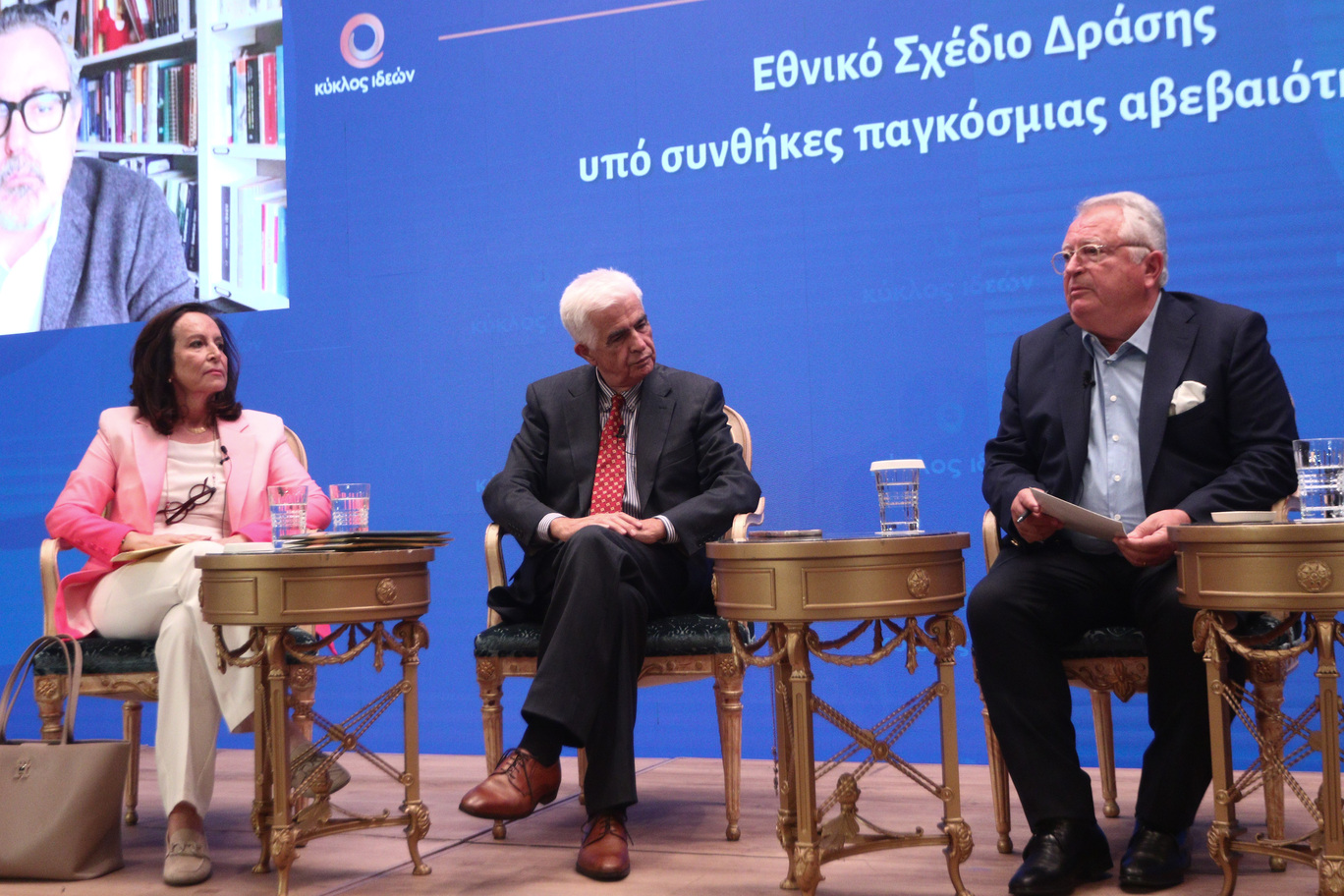
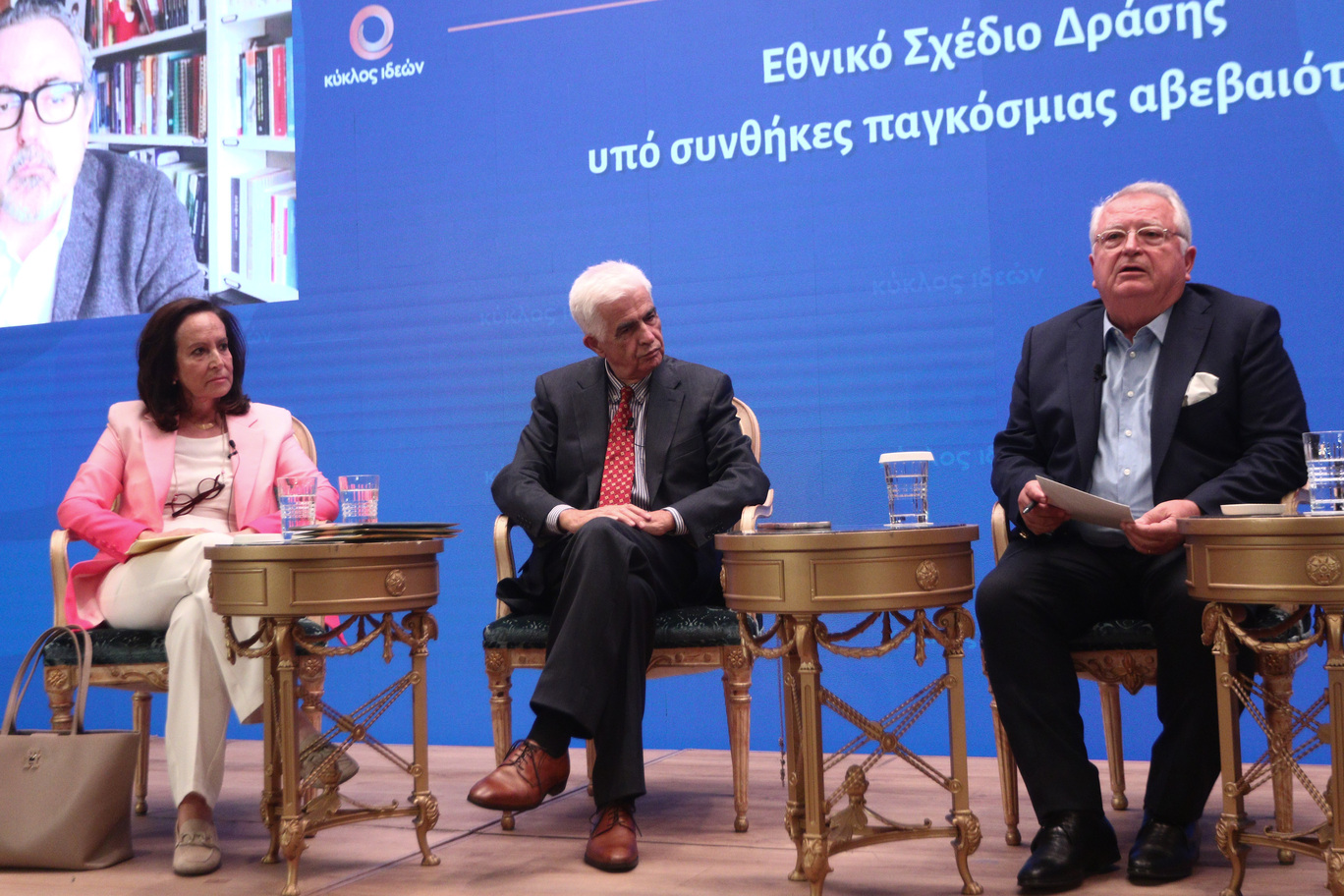
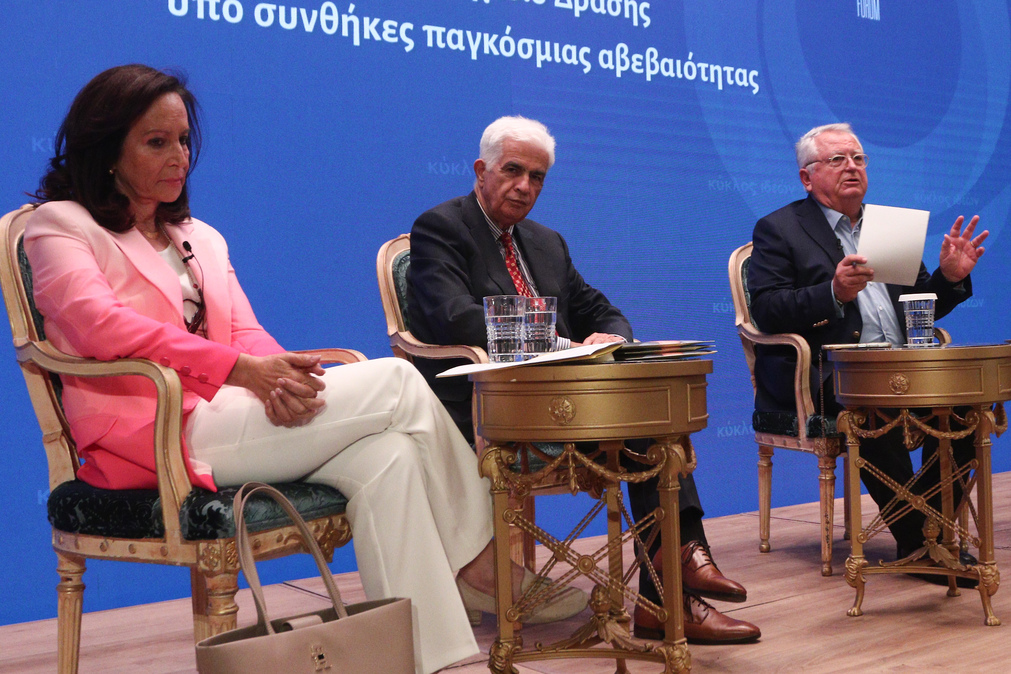
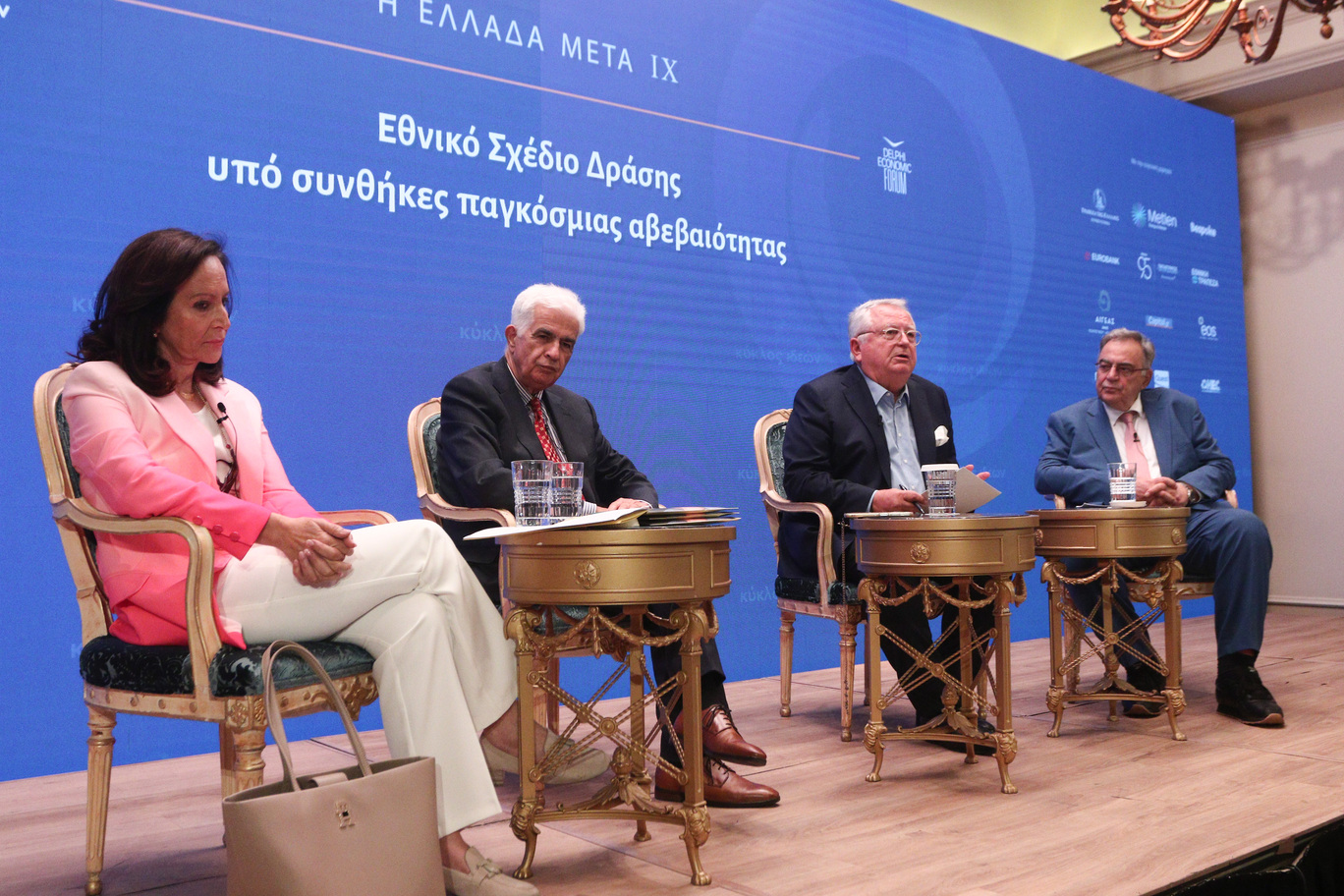
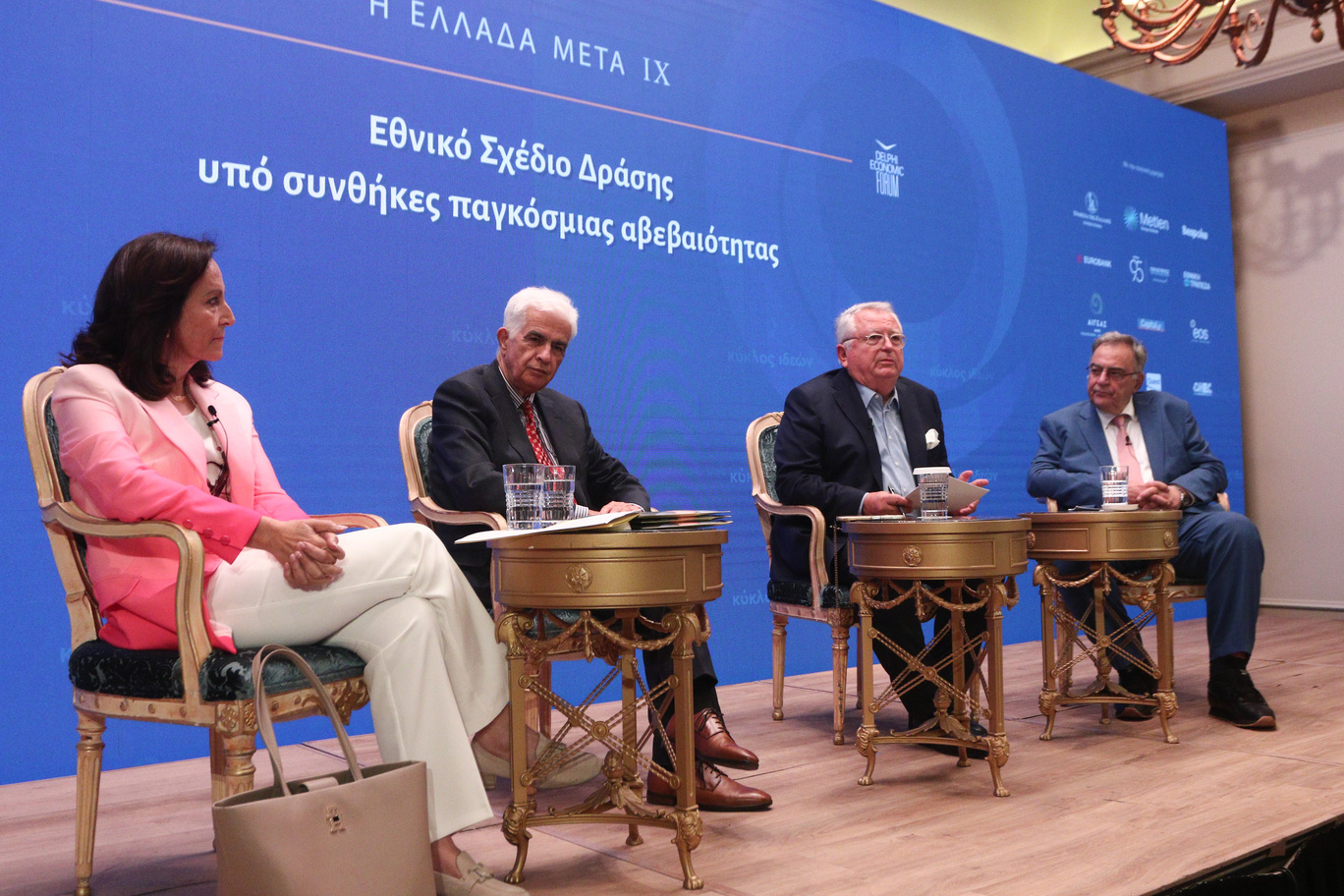
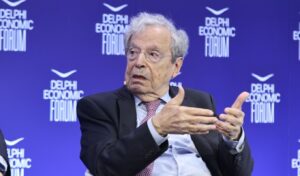
For his part, Nikos Christodoulakis, Emeritus Professor at the Athens University of Economics and former Minister of Finance, explained that society, after the economic crisis, has suffered many losses in an asymmetric way. “We must find ways that will give a sense of improvement and bridging. Instead, we see decisions that exacerbate inequalities”, he noted, before explaining that this manifests with a) the housing issue, which “has destroyed the dreams of many young couples”, b) the departure of many young scientists abroad, and c) the wave of de-Hellenization of the economy with the Golden Visa. “There is a short-term gloom for the prospects facing young people”, he emphasized, while making special mention of private debt, which he characterized as one of the most dangerous schemes in the economy. Regarding PASOK’s governmental readiness, Mr. Christodoulakis argued that there is a founded and documented proposal for housing young people, for increasing taxation on dividends of listed companies, and for upgrading the agricultural economy, which he characterized as a basic foundation. “It’s not possible for the Netherlands to have greenhouse productivity 5-6 times greater than ours”, he commented indicatively. For the next parliamentary elections, after emphasizing that it would be politically inappropriate to say that PASOK will cooperate with New Democracy, he mentioned that “we will see the day after the elections how the spectrum will have been shaped and accordingly we will see what moves PASOK must make for the good and benefit of the country”.
At the same time, Lefteris Kousoulis, Political Scientist, expressed the view that society is under constant threat and cannot stand up against fear. He estimated that the country will emerge from the crisis through escalation of the crisis, while at another point in his statement he conveyed that “things must be set up from the beginning”. Regarding the electoral contest, he stated that the two critical elements are the percentage of the first party and which will be the first opposition party. According to him, the first election will show the fragmentation of the political system and then we will go to a second election. “Then we will see if the country can find a new participatory government“, he mentioned.
Finally, Dimitris Papadimitriou, Professor of Political Science at the University of Manchester, observed that disappointment and anger are basic components of democracies throughout the West. “What we see in Greece is the rule”, he emphasized, before speaking of a “tango of death” that has developed between executive power and parties. Citizens, as he mentioned, are impatient and believe that problems are not solved quickly, resulting in channeling anger toward governments. The more anger extends toward executive power, the more suspicion toward parties increases. Furthermore, he wondered why executive power struggles to solve the problems citizens face? Many of these, according to him, are unsolvable within the timeframe that citizens expect them to be solved. Climate change, demographics, migration, changing the production model don’t change immediately, he concluded.
The discussion was moderated by Journalist George Papachristos.
Watch the video: