Greece’s role as a gateway for the United Arab Emirates into the European Single Market was highlighted by Minister of National Economy and Finance, Kyriakos Pierrakakis, with the aim of boosting investments in strategic sectors such as energy, defense, technology, and Artificial Intelligence.
Read also: Pierrakakis on the unrest in France: Violence is never acceptable
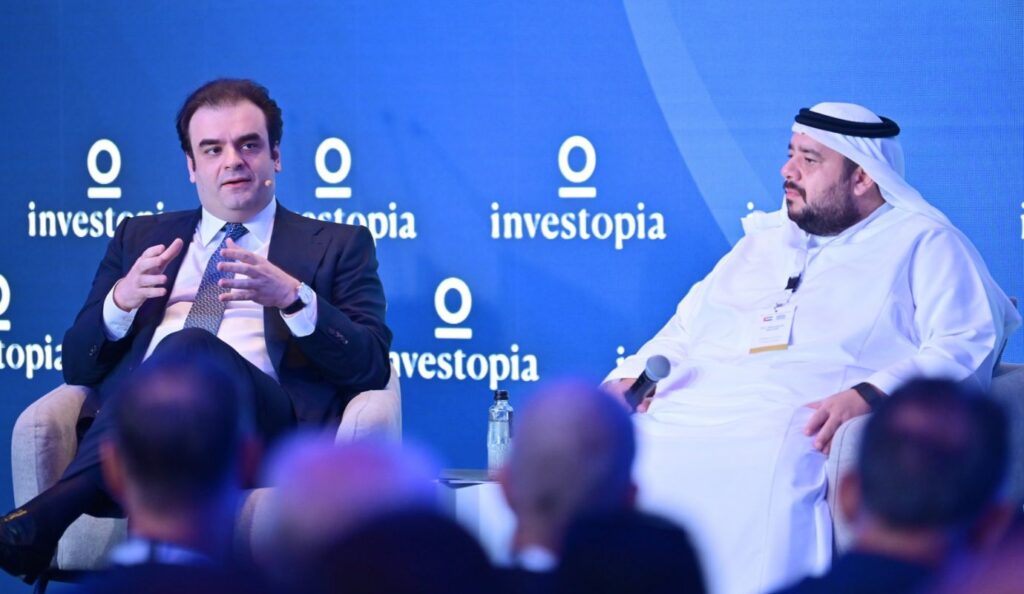
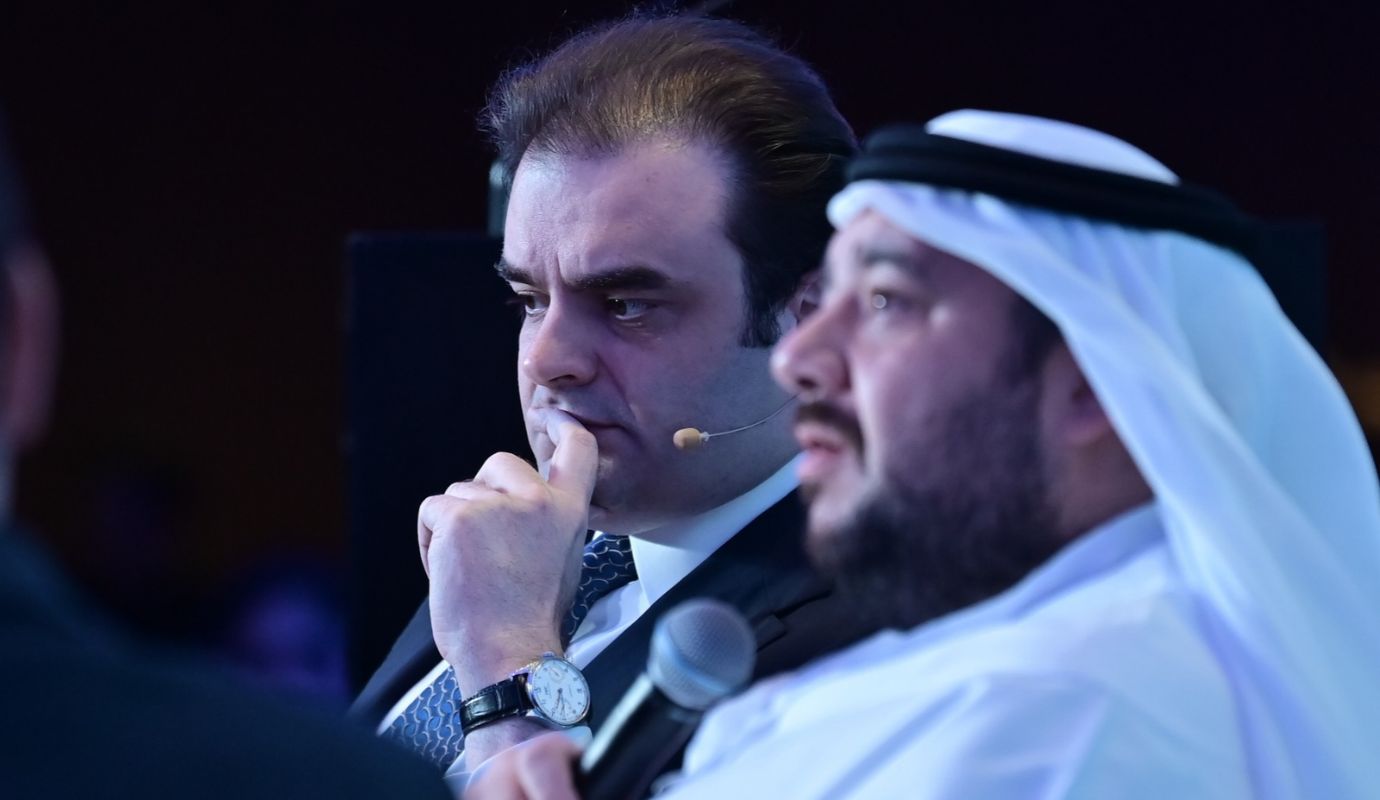
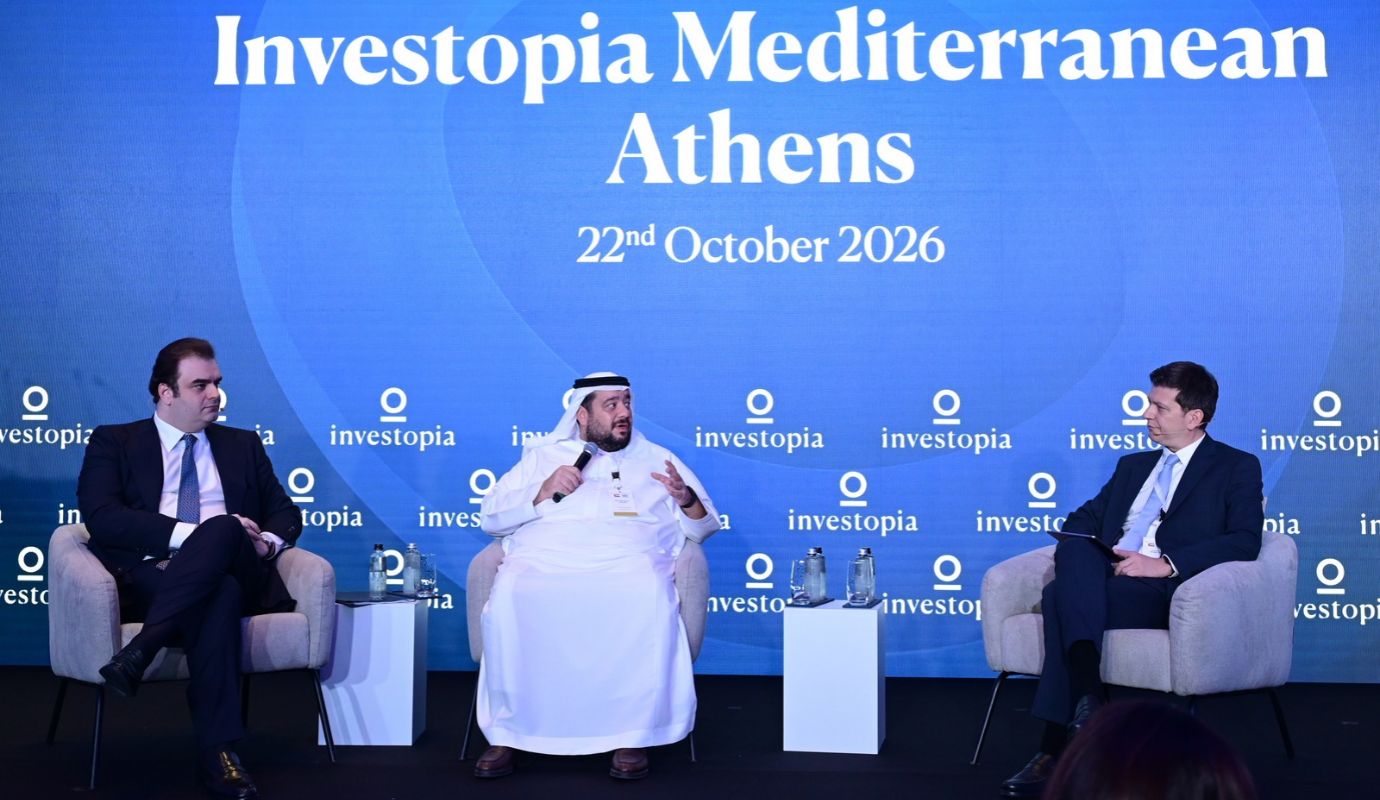
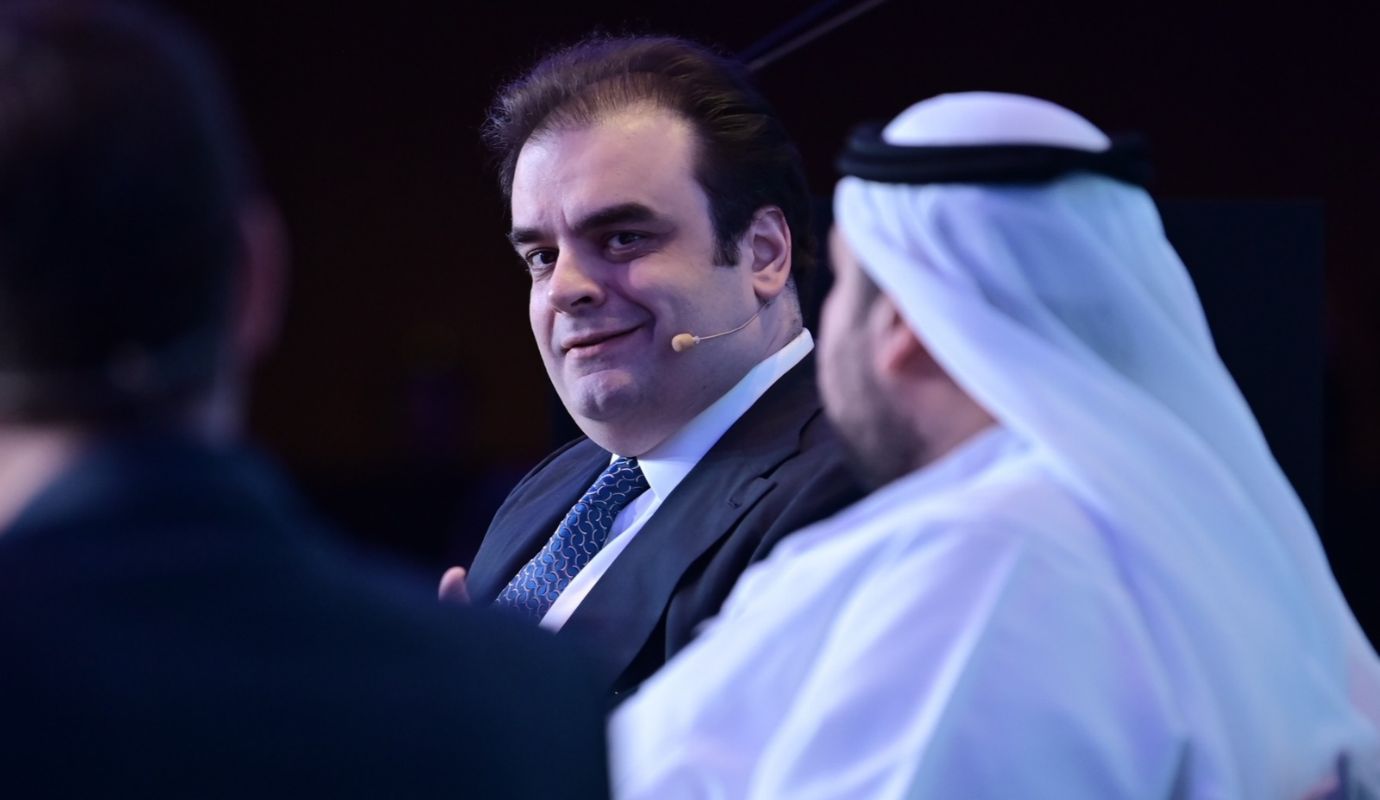
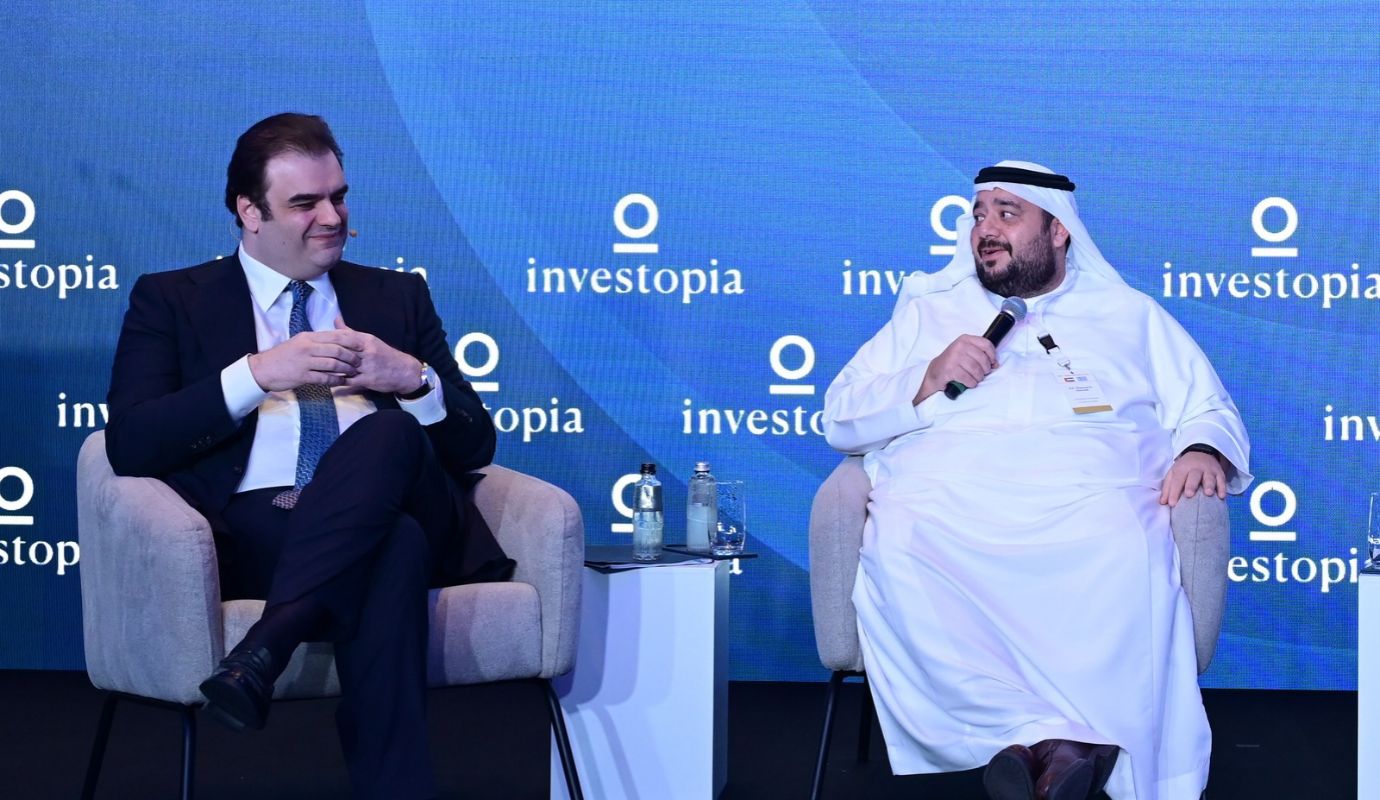
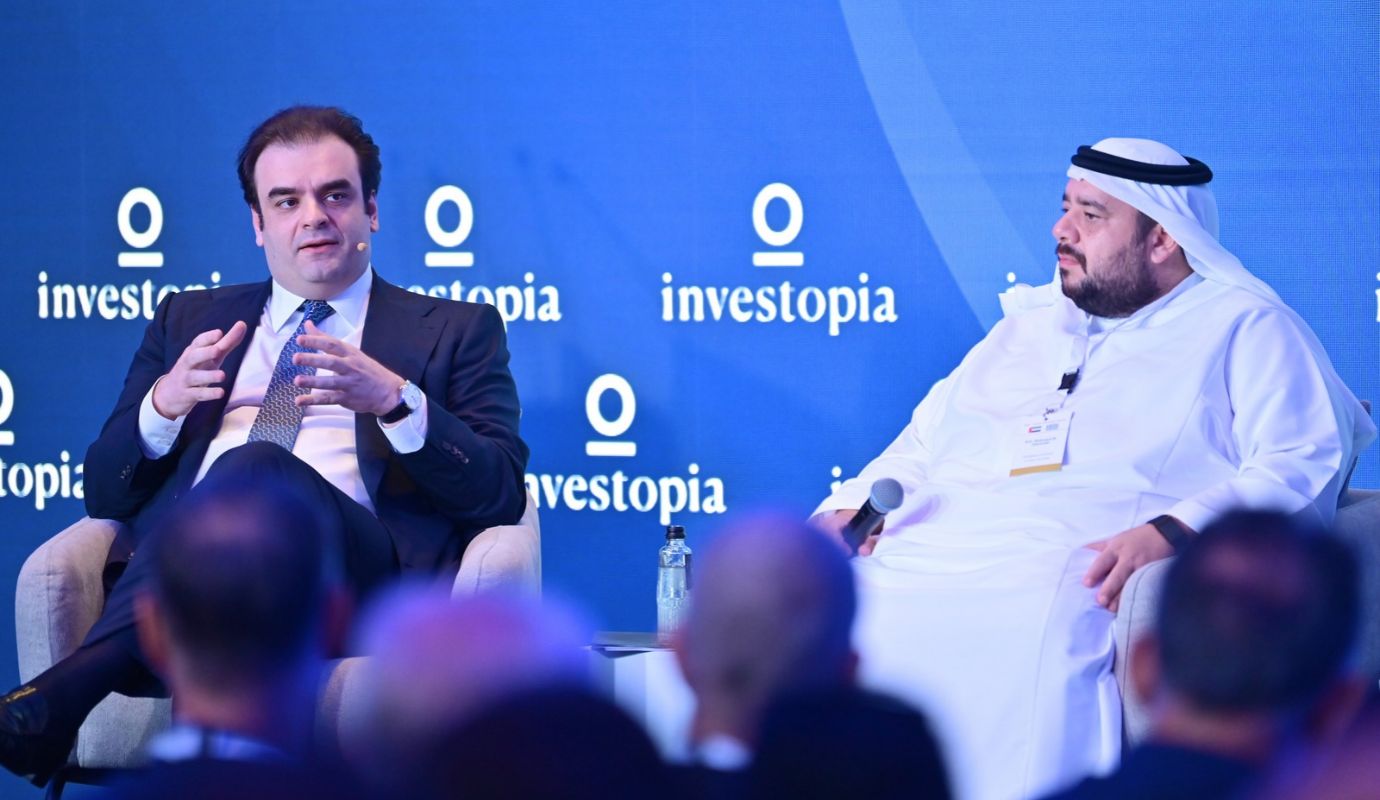
At the Investopia Mediterranean-Athens conference, held on Thursday, October 22, 2026, at the Conrad Athens The Ilisian, Minister Pierrakakis held talks with UAE Minister of Investment Mohamed Hassan Al Suwaidi, focusing on geopolitical developments and their impact on the global economy.
The two ministers examined the effects of international instability on trade, investment, and supply chains, while discussing opportunities to expand economic cooperation between Greece and the United Arab Emirates.
The Investopia Mediterranean proceedings in Athens opened with the participation of prominent representatives from the international economic and investment community, reaffirming both sides’ commitment to strengthening their economic ties and developing new investment initiatives.
Investing in the future
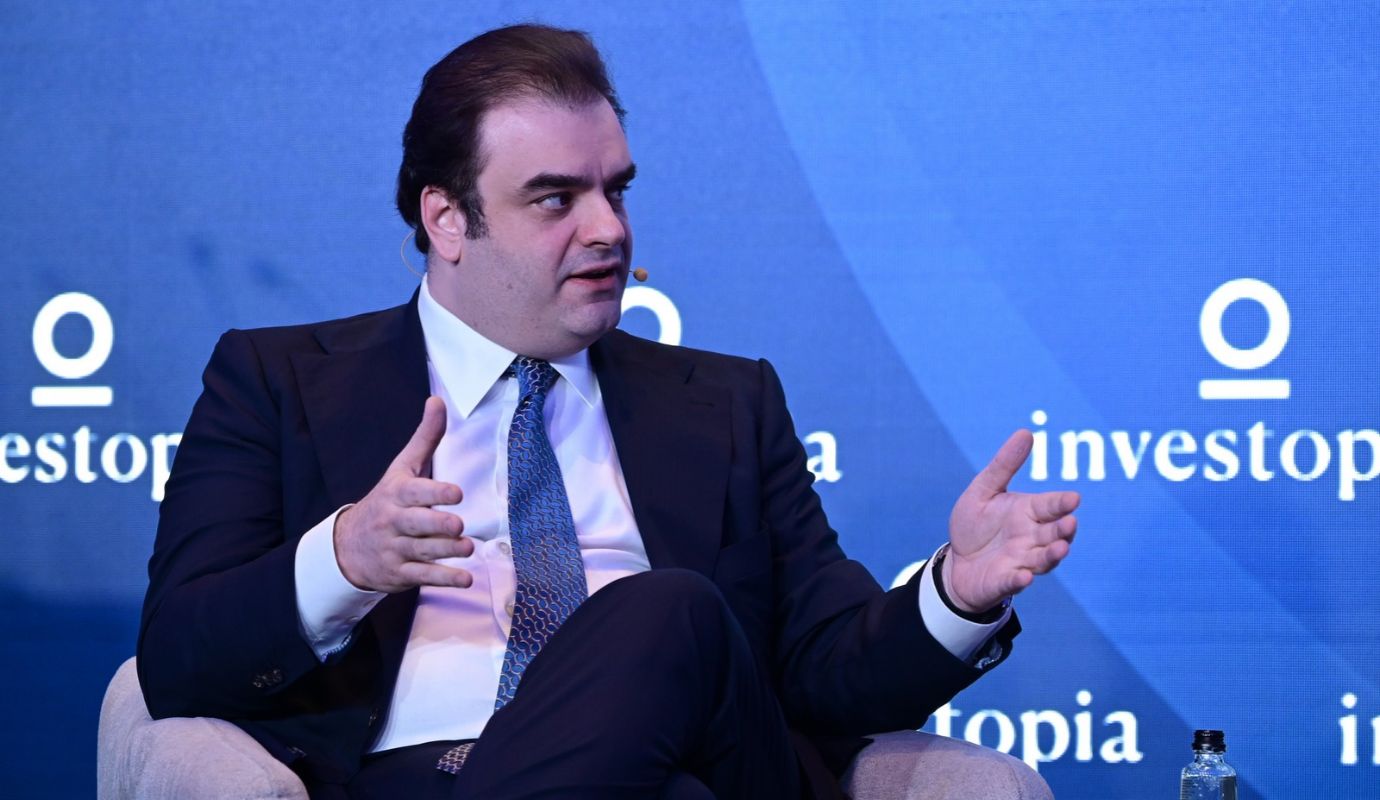
Kyriakos Pierrakakis spoke of a “natural partnership” grounded in geography, shipping, infrastructure, and human capital — with Greece serving as a gateway for the UAE into the European Single Market, and the Emirates acting as Greece’s entry point into the Middle East and other strategically important Asian economies.
Reflecting on investments made to date, he noted that the UAE was Greece’s most important trading partner in 2024, with investments spanning energy, healthcare, technology, and tourism.
He went on to highlight cooperation opportunities within the framework of IMEC, as well as in shipping and logistics, stating: “We are an investment power, a logistics power, a maritime nation. There are natural synergies that can emerge here as well.”
Pierrakakis described a global economy operating under tougher conditions compared to the previous decade, with the era of cheap money firmly behind us. “The average yield on 10-year bonds in Europe was 1.1% ten years ago — it is now 4.4%. That by definition shows that an era of cheap capital is behind us,” he said pointedly.
For this reason, he argued, Greece’s fiscal position forms a solid foundation for attracting investment. Greece is in a very sustainable and strong fiscal position, and on top of that, we have the fastest-declining debt in the world, he added.
He further argued that beyond fiscal stability, Greece also offers skilled human capital and a transformed attitude toward investment. “We have very talented people, we have a stable environment, but there is also a change in mindset that emerged after the crisis. We are open for business,” he noted.
The power of Artificial Intelligence
Pierrakakis made particular reference to Artificial Intelligence as a factor reshaping international capital markets. He explained that states are now competing with major tech companies for capital and computing power, placing pressure on yields and financing costs.
He advocated for seizing opportunities swiftly, without underestimating the risks involved, and proposed that “we move fast enough to unlock the potential of technology. And we need to do so at unprecedented speed, because right now technological change is unfolding on a weekly basis,” he added.
In this context, Pierrakakis stressed that the bilateral Greece-UAE relationship is taking on strategic importance in the effort to address modern challenges. “That is why our Prime Minister and our government place such great emphasis on our bilateral relationship with the UAE,” he said. He also acknowledged that converting investment interest into actual projects requires creating the right environment and removing obstacles, so that investors can identify the specific companies and sectors where potential can be unlocked.
Al Suwaidi: “Greece’s exceptional position”
For his part, UAE Minister of Investment Mohamed Hassan Al Suwaidi placed Greece at the center of a broader realignment of trade flows between Europe, the Middle East, Africa, and Asia. “We need more shipping, which we have not relied on as much as we have relied on pipelines,” he said, emphasizing the need to invest in ports, maritime infrastructure, and new logistics networks.
The UAE Investment Minister underscored that Greece is exceptionally well-positioned, given its proximity to the Suez Canal, making it a key trading partner for the Gulf Arab states — Saudi Arabia, the UAE, Qatar, Kuwait, Bahrain, and Oman — “if it invests even more boldly in logistics, energy, and infrastructure,” he stressed.
Speaking specifically about Greece, he highlighted that the country can leverage its partnership with the Emirates across technology, defense, healthcare, logistics, and tourism. “I believe the greatest opportunity for our companies in Greece today is to take the experience we have in Artificial Intelligence and technology and collaborate in shared sectors — and this applies to defense, to healthcare, and to modern logistics,” he said. “Tourism is a major opportunity where we have learned a great deal over the years, and I think Greece has an opportunity today to attract a large volume of tourism,” he concluded, noting that the Emirates have extensive expertise in the sector.
Al Suwaidi argued that governments alone cannot translate strategic agreements into concrete investments and that private sector initiative is essential. He also called for cutting red tape and streamlining environmental permitting processes, particularly for infrastructure, port facilities, and tourist developments.
“We need to let the private sector thrive, we need to support it, remove bureaucracy, and make life easy,” Al Suwaidi stressed, also underscoring the need for fast-track, one-stop-shop services.