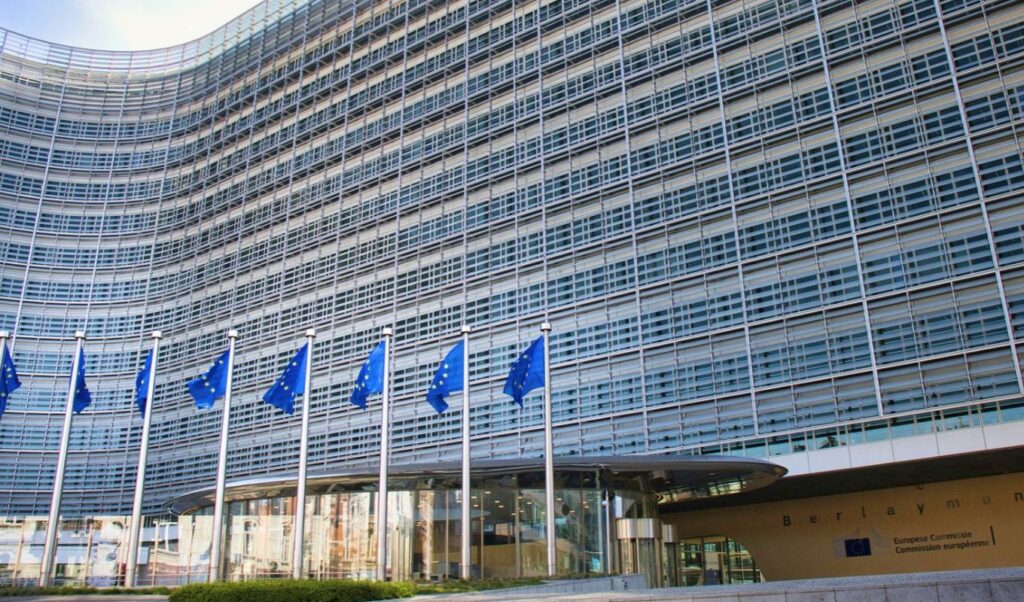
Decisions on Greece’s exit from post-program surveillance are now a matter of time, with the process at an advanced stage and announcements from the European Commission expected within November. A pivotal role in this development is played by the revision of the European regulation, which, once completed, will change the conditions for exiting post-program surveillance for countries that have undergone bailout programs.
Greece’s early exit from post-program surveillance: what’s happening in November
Under the new framework, countries will no longer be required to have repaid 75% of the financial assistance they received — as the current regulation stipulates — but instead to have completed five years under post-program surveillance, provided no medium-term risks to their debt servicing obligations are identified.
Greece’s case, however, presents unique characteristics, as it is the only country that has not yet completed five years under this regime. Following the enhanced surveillance period of 2018–2022, the country transitioned to post-program surveillance, with the five-year mark due to be reached in the summer of 2027.
Greece’s economic leadership views this development as a signal of a return to normalcy, as Greece will be subject to the same assessment regime as other EU member states under the European Semester — free from the special evaluations of post-program surveillance for a full five-year period.
What it means and which assessments Greece avoids
In practical terms, by receiving its “discharge” from the Commission ahead of schedule, Greece avoids the final two institutional review visits that had been planned for 2027.
This shift carries particular significance for Greece, which now finds itself in a markedly different position compared to the previous decade. The country has returned to the markets, has regained investment-grade status, and has shown substantial improvement in its fiscal metrics. Public debt remains high, but as a percentage of GDP it is on a rapid downward trajectory, while the long maturity and favorable terms of European loans significantly reduce the risks associated with debt servicing.
Greece’s improved economic profile is also reflected in the Commission’s latest report, published in June, which confirms that Greece maintains its ability to service its debt. The European Commission notes the significant reduction in the debt-to-GDP ratio, from 154% in 2024 to 146.1% in 2025, with projections pointing to a further decline to 136.8% in 2026. The Commission also offers a positive assessment of fiscal performance, with the primary surplus standing at 4.9% of GDP in 2025, while the Greek economy recorded a growth rate of 2.1% in the same year.
From 2018 to today
For context, enhanced surveillance was activated in the summer of 2018, immediately following the conclusion of the third economic adjustment program, which was funded by the European Stability Mechanism (ESM). The Commission’s decision was taken on July 11, 2018, and entered into force on August 21 of the same year. This regime was specifically designed for Greece, featuring quarterly reviews and close monitoring of the country’s economic, fiscal, and financial situation.
Four years later, on August 20, 2022, enhanced monitoring came to an end and Greece transitioned to post-program surveillance, in line with standard practice for states that have completed financial assistance programs. The Commission itself has described that date as the end of enhanced surveillance, clarifying that monitoring has since continued within the framework of post-program surveillance and the European Semester.