
The framework for private debt restructuring and the operation of servicers is changing with 16 new interventions, as announced by Prime Minister Kyriakos Mitsotakis and the Ministry of National Economy and Finance. Through concrete examples, the following breakdown highlights what these changes mean for servicers and what citizens can expect.
Read more: Private debt: The 16 new interventions — what changes for debtors and how servicers will operate
New servicer regulations: Illustrative examples
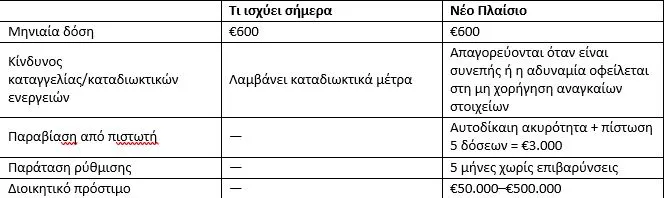
1. Down payment in a bilateral settlement
For a debt of €100,000, the new regulation sets a maximum down payment cap of 15%, according to Voria.gr. A debtor who can afford €15,000 but not €40,000 is no longer excluded from reaching an agreement solely on the grounds of the down payment amount.

2. 50% down payment
This example illustrates the maximum difference when a hypothetical 50% down payment is replaced by the new 15% cap.

3. Settlement application and deadlines
An individual with a debt of €80,000 submits a file on January 1st. If the three-month deadline is exceeded, the new rules provide for the violation to be recorded, interest accrual and interest capitalization to be suspended, and the Bank of Greece to be notified.

4. Servicer fails to provide payment details
A credit amount of €3,000 is applied in favor of the debtor, and the repayment arrangement is extended by 5 months.
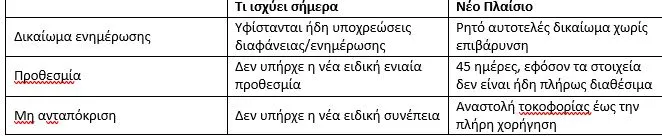
5. Request for a full debt overview
If a debtor requests a full breakdown of their debt (€120,000), the information must be provided through a specific procedure, and there are consequences for non-compliance.
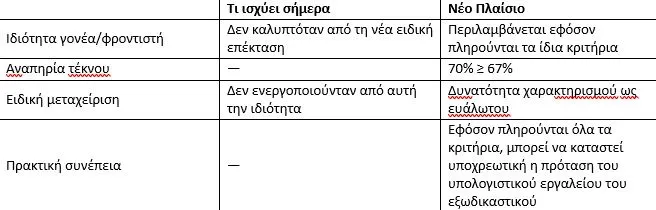
6. Parent or legal guardian of a dependent child with a disability of 67% or above
In a scenario where a parent of a child with disabilities has an annual income of €21,000, assets worth €270,000, and a dependent child with a certified disability of 70%, the following provisions apply:
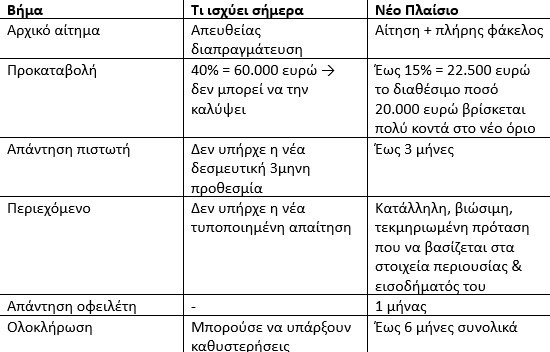
7. Combined scenario
Example: A debtor has a debt of €150,000 and has approximately €20,000 available, while the creditor was previously demanding a 40% down payment.
8. Primary residence protection example
Example: A debtor with total debts of €300,000 and a primary residence valued at €150,000 submits an application through the Out-of-Court Workout Mechanism platform, declaring their wish to protect their primary home while consenting to the liquidation of other real estate assets valued at €50,000.
Debtor’s steps
- Submit an application through the Out-of-Court Workout platform
- The platform automatically separates the primary residence (valued at €150,000) from other real estate assets. Enrollment implies consent to the liquidation of the remaining properties
- Restructuring is based on the value of the primary residence
Step 1: Debt calculation
The settlement is linked to the value of the primary residence:
New calculation base = €150,000
Debt write-off:
Write-off amount: €150,000
Remaining debt to be restructured: €150,000
Step 2: New monthly installment
The remaining debt is restructured over a period of up to 35 years.
Step 3: Primary residence protection
Foreclosure on the primary residence is prohibited. The debtor remains protected as long as they comply with the repayment arrangement.
Under the new framework:
- The debtor saves their home
- The debt is reduced to €150,000
- Monthly installments are adjusted accordingly
- The process is faster and more streamlined