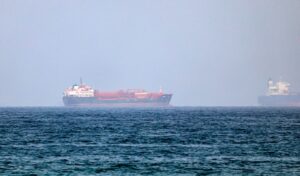
A significant relief for international energy markets and retail fuel prices at the pump is expected to follow the implementation of the agreement between the United States and Iran to end tensions in the Persian Gulf.
Read also: Oil prices plunge after US-Iran peace deal — Brent crude approaches $78 per barrel
Refineries: Expectations for price de-escalation following the US-Iran agreement
According to assessments from leading figures in the Greek refining industry, this development paves the way for a gradual easing of prices, with crude oil expected to trade within a range of $80 to $100 per barrel.
The same market sources are quick to point out that any decline in international prices — and by extension in the Greek market — is contingent on one key condition: that no new, unexpected geopolitical disruptions emerge before the agreement is formally and fully signed.
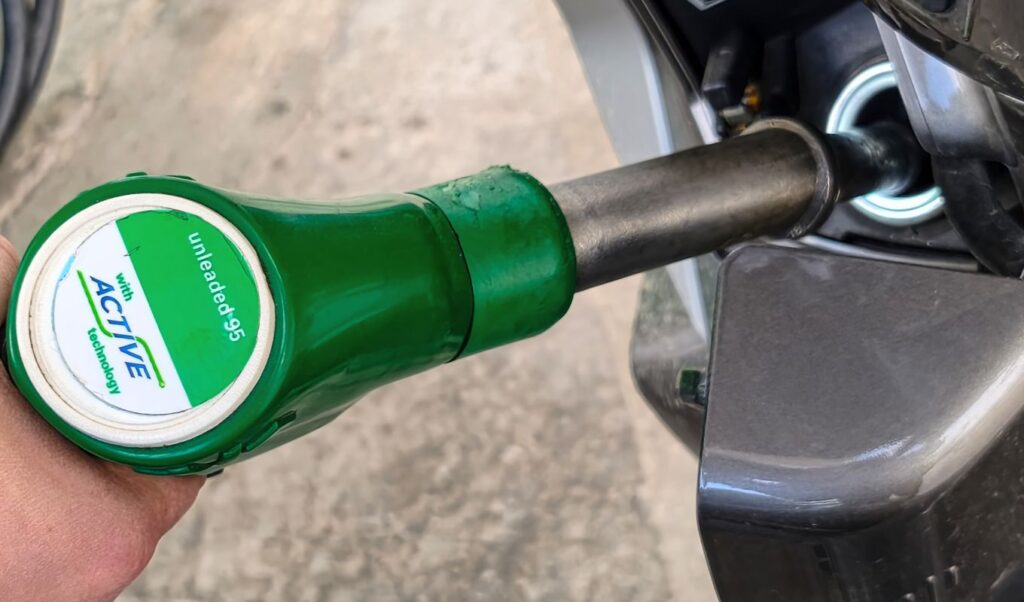
The refinery price for gasoline fell to €1.41 per liter on June 18, while diesel dropped to €1.14 per liter. In the coming days, further de-escalation is expected, based on trends in international benchmark prices. On Thursday, the average retail price of unleaded gasoline fell to €1.981 per liter, while diesel dropped to €1.717 per liter.
As for crude oil, market sources noted that — barring any unforeseen developments — it is reasonable to expect prices to hover between $80 and $100 per barrel in the near term.
Sources also noted that while the supply disruptions caused by the Gulf crisis were significant — affecting both prices and product availability — they were not as dramatic as those seen during previous crises.
The reasons for this include:
- The United States, once a major oil importer, has transformed into the world’s largest oil producer in recent years.
- Despite the blockade, a number of shipments passed through the straits, while significant quantities were transported via pipeline to alternative ports for transfer onto tankers.
- The rise in prices led to a reduction in global demand, which helped ease pressure on the market.
- China had already engaged in extensive crude oil stockpiling before the straits were closed.
Concerns over natural gas ahead of new supply orders
The picture for the natural gas market is quite different, as there is far less flexibility when it comes to transportation and storage. Furthermore, damage to Qatar’s liquefaction infrastructure — one of the world’s largest natural gas producers — will not be repaired quickly, while Europe’s need to fill its natural gas storage facilities ahead of winter remains high.