The conflict between the US and Israel with Iran has become another serious economic “headache” for businesses, as the cost for multinational companies has already exceeded $25 billion. According to a Reuters analysis, the consequences affect the entire economy, from airlines and automotive industries to consumer goods companies and fast food chains.
The new geopolitical tension adds to the already significant disruptions caused by the COVID-19 pandemic and the war in Ukraine, putting even greater pressure on supply chains, energy costs, and consumer confidence.
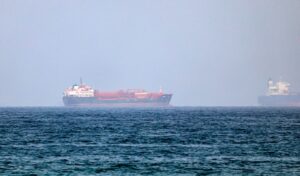
At the center of the crisis is the Strait of Hormuz, the world’s most critical energy passage. Restrictions imposed by Iran on shipping have led to soaring oil prices, which now exceed $100 per barrel, recording an increase of over 50% compared to levels before the conflict began.
These developments cause chain reactions in international transportation and industrial activity. Transportation costs are rising, trade routes are significantly affected, while basic raw materials such as fertilizers, aluminum, helium, and polyethylene are becoming more expensive and harder to obtain in the market.
According to the research, at least 279 listed companies on US, European, and Asian stock exchanges have already implemented protective measures against the crisis consequences. These include price increases, production cuts, dividend suspensions, expense reductions, and freezing of share buyback programs.
Aviation sector takes the hardest hit
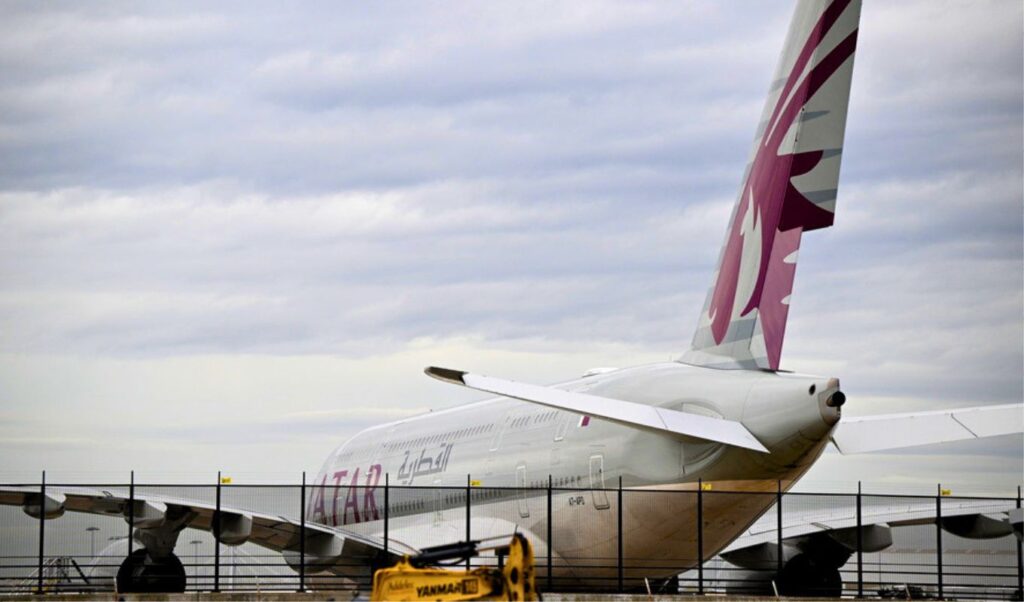
The aviation sector appears to be taking the hardest hit from the crisis so far. Airlines estimate that additional fuel costs have already reached $15 billion, an amount that is triple compared to the total burden faced by automotive and consumer goods companies.
The rapid increase in fuel prices directly affects airline operations, significantly limiting profit margins and forcing many companies to transfer part of the cost to passengers through more expensive tickets and additional fees. At the same time, the prolonged duration of the war intensifies concerns about a new global economic slowdown, just as consumer spending is already showing signs of weakening.
Automotive and consumer goods industries
Automotive industries and the consumer goods sector are also facing strong pressures. Japanese Toyota has already warned of losses approaching $4.3 billion, while Procter & Gamble estimates that its net profits will decline by approximately $1 billion.
Whirlpool’s CEO, Marc Bitzer, noted that the pace of market slowdown resembles the conditions of the global financial crisis. The company has already cut its full-year forecasts by 50% while simultaneously suspending dividend distribution.
As he noted, consumers now appear more cautious about major purchases and prefer to repair older appliances instead of replacing them, reflecting the pressure that inflation is putting on households.
New wave of price increases in the market
Approximately 40 companies from the industrial and chemical sectors have already announced price increases due to rising petrochemical costs. Newell Brands estimates that every $5 increase in oil prices burdens its operating costs by approximately $5 million.
Similar pressures face German tire company Continental, which expects losses of at least 100 million euros due to rising raw material prices. The company’s management believes that the total impact of the crisis will be reflected mainly in the second half of the year. Analysts warn that companies’ ability to continuously transfer increased costs to consumers is becoming significantly limited. This creates the risk of substantial profit margin compression in the coming months.
Europe at the center of pressures
European businesses appear to be particularly exposed to the crisis consequences, as Europe was already facing increased energy costs even before the conflict began. Many companies from the United Kingdom and other European countries have already announced cost-cutting measures and new price increases. Goldman Sachs analysts estimate that companies participating in the European STOXX 600 index will face significant pressure on profit margins from the second quarter onwards, as available risk hedging tools are gradually being exhausted. At the same time, UBS warns that sectors such as automotive, telecommunications, and household products may record negative earnings revisions exceeding 5% within the next 12 months.
The hardest times may lie ahead
Despite the climate of intense concern, first-quarter corporate results remained at relatively positive levels, which helped stock indices like the S&P 500 maintain high valuations. However, analysts emphasize that the full impact of the crisis has not yet appeared in corporate financial results. In several sectors, net profit margins are already showing decline, while forecasts for second-half profitability are continuously being revised downward.
Cordoba Advisory Partners chief Rami Sarafa warned that the biggest drop in corporate earnings is likely still ahead. If the conflict continues and energy prices remain at high levels, pressures on businesses and consumers are expected to intensify further, increasing risks for the global economy.