With key projects moving forward, but also with pending issues in critical reforms, the picture of infrastructure and transport is taking shape. NRAC, E65, Kastelli and significant railway projects appear to be on track for implementation, while interventions in road safety, metropolitan mobility and electric mobility are accompanied by delays, revisions and institutional asterisks. The overall picture that emerges is that of a project market that is moving, but not at uniform rates.
The “on track” indication reflects more a state of maintaining progress within planning, rather than unhindered development. In many cases, projects progress with modifications to the physical or economic scope, while revisions to funding components are not uncommon, particularly where Recovery Fund resources are involved.
In Crete, one of the country’s largest and most complex infrastructure projects is developing. The Northern Road Axis of Crete, with a total length of over 220 kilometers, is being implemented through three distinct sub-projects and combines different construction models, from concessions to PPPs and public works. Work has already begun on the main Kissamos – Chania – Heraklion section, while the remaining sections are also progressing, aiming to significantly reduce travel times and upgrade road safety on the island.
In the same geographical area, the new international airport at Kastelli is a project of high strategic importance. With progress reaching 70%, the project includes not only the terminal building, but also a set of accompanying infrastructure, such as road connections with NRAC and SRAC. The new airport’s capacity is expected to reach 10 million passengers annually by 2030, with prospects for further increase, boosting Crete’s tourism and economic activity. On the road axis of mainland Greece, the E65 is now in its final stage. With progress exceeding 90%, the project is approaching completion by 2026, closing a significant gap in the transport network. Its operation is expected to strengthen the connection of Southern Greece with Thessaly, Western Macedonia and the Balkans, while also upgrading the country’s role in European transport corridors.
Complex picture for railways
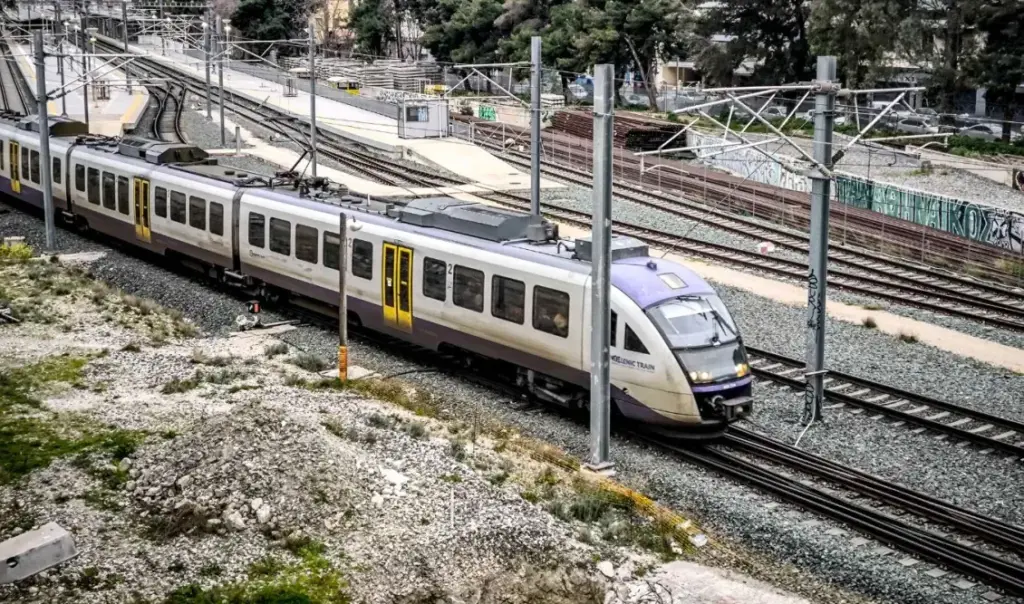
In the railway sector, the picture is more complex and multi-layered. The extension of the Western Attica Suburban Railway, 36 kilometers long, has reached approximately 55% of implementation and is expected to enhance connectivity in areas with significant logistics activity. In parallel, projects such as the upgrade of the Alexandroupoli – Ormenio line and the new Kavala – Toxotes connection are part of a broader plan aimed at creating a strong railway axis along European transport corridors.
However, the railway sector remains the most demanding field. Apart from technical difficulties, significant weight is given to institutional changes, with the creation of the unified entity “Railways of Greece” being a central reform. The merger of existing organizations has been completed at a legal level, however full operational integration, safety upgrades and the implementation of a modern management model are still in progress. In this context, cooperation with the European Investment Bank for the development of a long-term strategy and multi-year investment program is of particular importance, which will determine the priorities and financing needs of the railway network in the coming years.
Modernization
In parallel, digital modernization projects are progressing, with the installation of telecommunications infrastructure, telematics systems and high-speed services, aimed at improving network operation and passenger experience.
In the field of sustainable mobility, promoting electric mobility is a basic priority. Subsidy programs for electric vehicles, taxis and charging infrastructure are underway, with significant funds already allocated. In parallel, the renewal of the urban transport fleet is progressing with the integration of new electric buses in Athens and Thessaloniki, strengthening the transition to more “green” transport. In the field of road safety and traffic management, the picture differs. The initial provision for creating a unified metropolitan authority in Attica appears to have been largely absorbed by existing structures, such as OASA and the ODYSEAS service, which now has an institutional role in monitoring and analyzing road safety data. Similarly, the creation of a mobility authority in Thessaloniki remains under consideration.
Finally, projects such as the “Smart Bridges” program introduce new prevention and maintenance tools, with the installation of sensors and monitoring systems on hundreds of bridges, enhancing the safety level of infrastructure.
Overall, the picture that emerges is that of a transitional phase for the country’s infrastructure. Projects are progressing and in many cases are close to completion, however institutional reforms and full operational readiness remain objectives. The coming period will determine whether this progress will translate into substantial upgrading of the transport system and improvement of everyday life.
Published in “Sunday Afternoon”