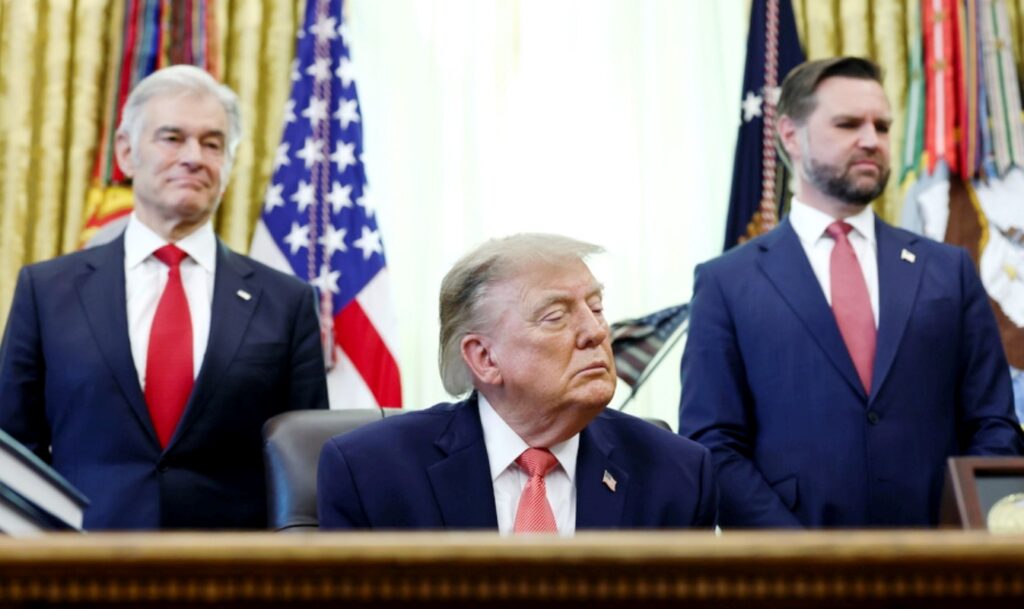
Donald Trump and United States Vice President JD Vance unveiled a new financial incentive program on Tuesday, October 20, designed to reward citizens who report fraud against the federal government. The initiative carries an initial funding of $25 million and offers rewards of up to $30,000 per eligible case. According to the White House, the program aims to boost reporting of illegal collection of government benefits and misuse of federal funds. The announcement came approximately two weeks before the November 3 midterm elections, with the administration positioning the fight against financial fraud as a top priority.
Read also: Trump: Fears of a Republican rebellion if he meets Putin and Xi — the scenario of a new Yalta
Trump: How the $30,000 rewards will be paid out
The new system is called the Fraud Whistleblower Incentive Program and will operate under the oversight of the U.S. Department of Justice. Interested individuals will be able to submit information through the online platform fraud.gov. Filing a tip does not automatically guarantee a financial reward. For a payment to be approved, the information must lead to a fraud conviction or result in significant enforcement action by federal authorities. The maximum payout is set at $30,000, while the $25 million represents the program’s total initial funding. The administration seeks to leverage information held by ordinary citizens regarding potential irregularities in welfare, healthcare, and subsidy programs.
Vance’s role in the administration’s anti-fraud campaign
In March, the President established a dedicated anti-fraud task force, appointing Vice President Vance to lead it. The task force coordinates audits of federal agencies to identify the illegal use of public resources. According to the administration, suspicious or ineligible enrollments in healthcare insurance programs have been identified, and oversight of healthcare service providers has been strengthened. In some cases, payments or operating licenses have been suspended. However, such administrative actions do not in themselves constitute proof that fraud has been committed.
The $10,000 check handed to a YouTuber
The announcement event featured conservative YouTuber Nick Shirley, known for videos making allegations about state-funded childcare facilities in Minnesota. Trump presented him with a $10,000 check, holding up his work as an example of citizen engagement in uncovering potential irregularities. Shirley had claimed that certain facilities operated by members of the Somali community were receiving subsidies without actually providing services. However, initial on-site inspections found that the facilities in question were operating normally. Further investigations and arrests followed as part of broader cases, without broadly confirming the original allegations. The administration is presenting the new program as a means of protecting taxpayers, though its effectiveness will ultimately depend on how tips are evaluated and what the investigations yield.