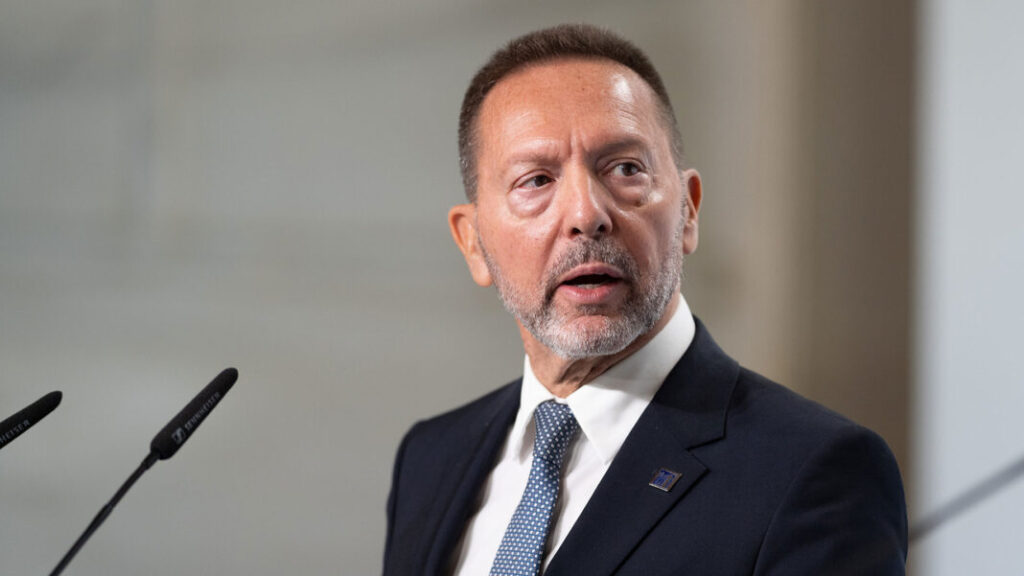
Improving the quality of institutions is an essential prerequisite for Greece to achieve an ‘A’ credit rating before 2030, according to Bank of Greece Governor Yannis Stournaras. Speaking at a dinner hosted by the “Women in Corporate Affairs, Government Relations and Public Policy” circle of the Lean In Network Greece, he stressed that recent public administration reforms must be gradually reflected in the institutional indicators monitored by credit rating agencies.
Significant progress has also been made in the delivery of justice. Based on JustStat data cited by the Bank of Greece Governor, the average time to issue a first-instance court ruling has been reduced to approximately 357 days, down from 774 days before the judicial map reform. Faster and more predictable judicial procedures strengthen the rule of law and boost investor confidence.
The upgrading of institutional function is part of a broader effort to sustain Greece’s growth momentum and shield the economy against global turbulence. Stournaras highlighted that the Greek economy continues to grow faster than the eurozone average: real GDP increased by 1.9% year-on-year in the second quarter of 2026, compared to 1.2% in the eurozone.
Yannis Stournaras: Focus on the investment gap between Europe and the US in artificial intelligence
Greece’s economic resilience, he noted, is underpinned by fiscal consolidation, the rehabilitation of the banking system, an improved business environment, and the reforms implemented in recent years. However, the significant current account deficit indicates that serious challenges remain.
At the European level, the Bank of Greece Governor warned that geopolitical uncertainty, the impact of the Middle East conflict on energy markets, the fragmentation of international trade, and high public debt are all weighing on the economic environment. He placed particular emphasis on the investment gap between Europe and the United States in the field of artificial intelligence. Technology can boost productivity, he said, but its effects on the labor market and financial stability require careful management.
To strengthen its competitiveness, Europe needs to channel more savings into productive investments, complete the Savings and Investments Union and the Banking Union, and deepen the Single Market. Joint investments in infrastructure, defense, energy security, and the digital and green transition could, in his view, support growth and reinforce the euro’s international role.
In closing, Stournaras drew attention to two key lessons from the debt crisis: economic problems can be resolved when there is political will and a combination of national measures with European support, while delays in recognizing and addressing them increase the overall cost. For Greece, he concluded, maintaining fiscal responsibility and strengthening productivity and competitiveness remain critical conditions for sustainable growth.