A new wave of rising costs is already hitting European consumers, this time centered on liquid fuels. From transportation and supermarket prices to heating costs, surging oil and refined product prices are creating an explosive mix. In Greece, the next announcements regarding continued support for motor fuels are scheduled for September 30, with a new package to follow on October 14 — one that will also include interventions for heating oil.
Read also: Italy: Q8 Italia joins Eni and Italiana Petroli in capping fuel prices
Fuels: two war fronts driving the energy shock
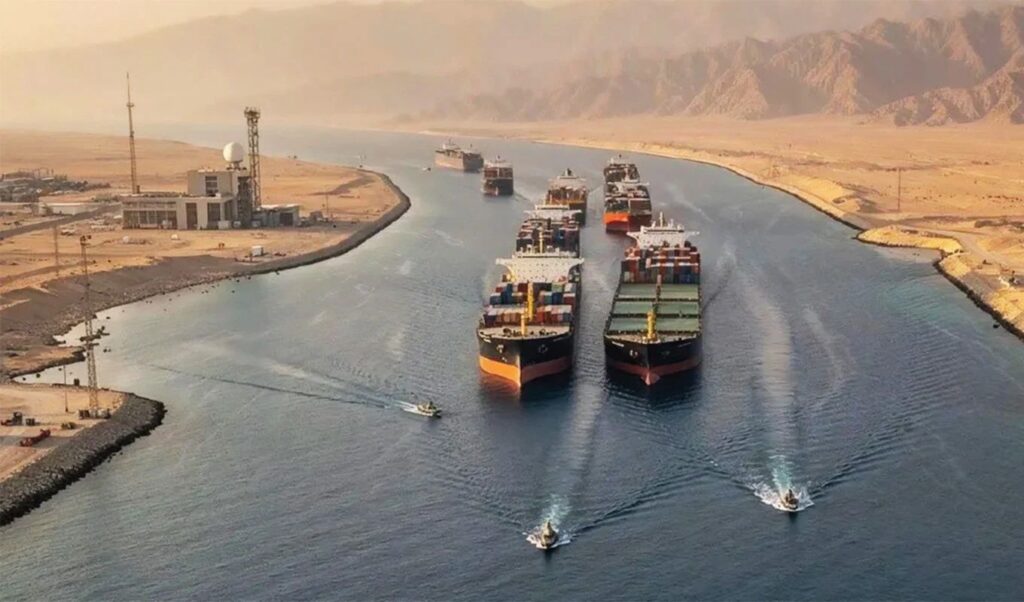
Two active war fronts lie behind the new energy shock. The conflict in the Middle East has caused serious disruptions to oil and fuel exports from the region, with passage through the Strait of Hormuz remaining drastically restricted. At the same time, the Russia-Ukraine war has resulted in strikes on Russian refineries, further constraining the global supply of petroleum products.
As a result, diesel has become one of Europe’s biggest headaches. The average price across the EU stands at €2.26 per liter, up 38% since the end of February. With refineries worldwide already operating at high capacity, there is little room for any price relief. On the contrary, if the United States moves ahead with a planned diesel export ban, an even larger price surge could be imminent.
The new crisis has already triggered serious turbulence across major European economies. In France, fishermen blockaded Mediterranean ports in protest over rising fuel costs. The government announced an additional €450 million in support, extending aid to 5.5 million low-income workers facing high commuting costs. In Germany, where diesel has reached €2.50 per liter, a temporary tax relief of 17 cents per liter was approved, effective October 1.
In Italy, the government is extending fuel tax reductions while trying to limit the fiscal impact. Meanwhile, tightening supplies of aviation fuel are adding another layer of uncertainty, as Europe searches for additional quantities from as far away as South Korea.
The measures on the table
Faced with this situation, the Greek government has announced that it will extend the pump subsidy for motor diesel and will proceed with a dual intervention for heating oil: a pump subsidy to keep the retail price below €1.75 per liter, combined with an increase in the heating allowance. Without government support, heating oil would currently cost around €1.90 per liter. The national average price for motor diesel currently stands at approximately €2.23 per liter, thanks to combined support from the state and refineries.
The timing of government announcements is being dictated by the high volatility of international prices. It is worth noting that state support for motor diesel was first activated in April. It also remains to be clarified whether support from the country’s two refineries — which have been offering pump discounts on diesel and petrol since mid-July — will continue.
Regarding the heating allowance, a across-the-board increase is planned without changes to income eligibility criteria, with the aim of benefiting approximately 1.2 million recipients. Also under consideration is a new cap on profit margins for fuel distribution companies and petrol stations, while the government is seeking European fiscal flexibility that would allow a reduction in the special consumption tax on fuels. Other energy-related developments are also being closely monitored.
For households that use natural gas for heating but do not currently receive an allowance, additional support is being examined — though no decisions have yet been made. As for electricity, no subsidies are currently planned.
Published in Parapolitika