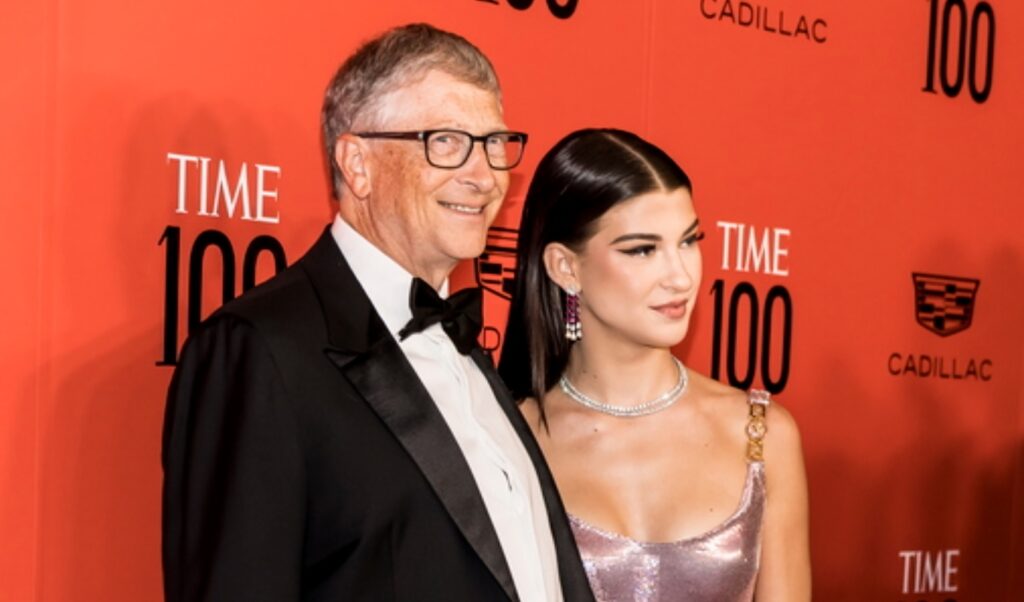
Phoebe Gates, daughter of Bill Gates, is at the center of serious allegations over the way the startup she co-founded with Sophia Kianni reportedly secured commissions from online purchases. The controversy centers on Phia and the practice known as “cookie stuffing,” with new evidence raising questions about how early the company’s leadership knew what was happening.
The case gained significant momentum following a Bloomberg report citing internal Slack messages and company data. According to those findings, the two co-founders allegedly knew for months about software functions that could lead to inflated commission tracking. This directly contradicts a statement Phia issued in July, in which the company claimed it had only become aware of the issue within “the last 24 hours.”

What is “cookie stuffing” and how did Phia operate?
Phia operates as a browser extension that, among other features, helps consumers find discount codes at online stores. When a user selects a coupon code through the service, the software can place a cookie that records Phia as having contributed to the purchase — entitling the company to a corresponding affiliate commission.
The problem, according to the investigation, is that Phia allegedly placed these cookies even in cases where the consumer had not meaningfully used its service. In doing so, the company could appear responsible for sales it may not have actually driven, and then claim the associated affiliate commissions. This practice is known as “cookie stuffing” — the automated placement of affiliate tracking cookies so that a company or partner receives credit for a future purchase without having genuinely referred the customer. According to Bloomberg, the practice reportedly dates back to at least December and involved sales from major retailers including Nike, Gap, and Nordstrom.
Phoebe Gates’ internal message
Particular attention has been drawn to an internal message dated December 18. According to the report, Phoebe Gates allegedly asked developers to ensure that automatic cookie placement was active across all coupon-enabled sites, so that Phia could generate revenue from the full value of the related sales. Data cited by Bloomberg also shows that by June, approximately 51% of the sales value for which Phia was claiming credit was linked to the “cookie stuffing” practice.
The revenue picture following the deactivation of the disputed functions is equally striking. According to the report’s figures, the company’s average daily revenue reportedly dropped from approximately $80,000 to between $10,000 and $28,000 after changes were made in July. Phia, however, disputes that this decline can be attributed solely to the removal of those specific features. A company spokesperson argued that other monetization methods had also been disabled during the same period, and that the data interpretation overstates the impact of the “cookie stuffing” practice.

The company’s response
Phia maintains that the functions responsible for incorrect sales attribution were removed on July 7. The company also announced that it is reviewing the affected transactions and has begun the process of reversing incorrectly attributed commissions owed to its partners. Phia further stated that it is hiring a chief compliance officer to strengthen internal controls and prevent a similar incident from occurring again. The consequences, however, are already being felt. Impact.com, one of the affiliate platforms Phia worked with, suspended the company’s account and redistributed commissions that had been earmarked for it, according to published reports.

Where does the “20-year prison sentence” reference come from?
The case has also sparked debate over its potential legal consequences. Attorney Ariel Givner noted that “cookie stuffing” can, under certain circumstances, be treated by US courts as federal wire fraud, carrying a maximum penalty of up to 20 years in prison, along with fines and damages.