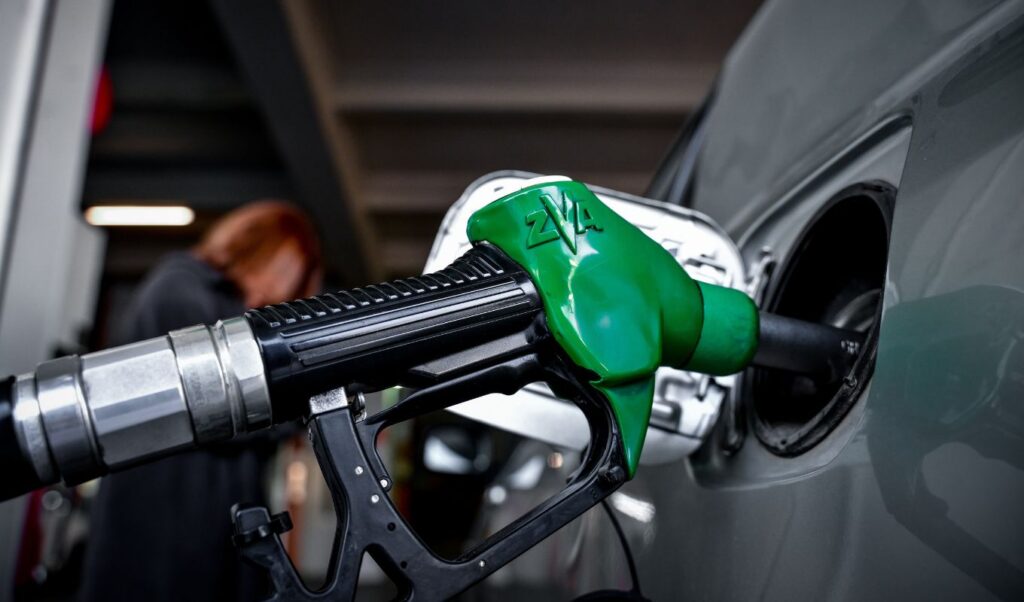
The shortage of gasoline and rising fuel prices in Russia have pushed many drivers to seek alternatives, with increasing numbers turning to converting their vehicles to run on LPG (Liquefied Petroleum Gas). This trend has gained significant momentum following Ukrainian drone strikes on Russian oil refineries, which disrupted the production and distribution of conventional fuels. As a result, companies specializing in vehicle conversions are seeing a sharp surge in demand, with waiting lists now stretching several months due to shortages of both equipment and qualified technicians.
Read also: Russia: Fights break out and kilometer-long queues form at gas stations following Ukrainian strikes on refineries (Video)
LPG: Up to 50% cheaper than gasoline
LPG is a mixture primarily composed of propane and butane that has been used for decades in transportation, heating, and cooking. In the automotive sector, it is considered a more cost-effective option, as it can cost up to 50% less than gasoline. Converting a conventional petrol-powered car is not simply a matter of switching fuels — it requires the installation of a dedicated LPG system, which includes components such as a high-pressure tank, pipework, electromagnetic safety valves, a vaporizer (also known as a reducer), LPG injectors, an electronic control unit (ECU) that interfaces with the vehicle’s existing systems, and a fuel switch inside the cabin. In most cases, the car retains its original petrol system, allowing the driver to switch between fuels even while on the move. The system operates by storing LPG in liquid form inside the tank.
How the fuel mixture works
Before reaching the engine, the fuel is converted into gaseous form by the vaporizer, which draws heat from the engine’s cooling circuit. It is then injected into the cylinders in a manner similar to petrol, ensuring smooth operation without requiring significant modifications to the engine itself. Beyond the lower fuel cost, LPG also offers several technical advantages. It burns more cleanly, produces fewer carbon deposits, and reduces the strain on engine oil — factors that can contribute to a longer engine lifespan and reduced maintenance needs. Additionally, because the fuel enters the combustion chamber already in gaseous form, cold-start issues are significantly reduced.
Fuel consumption can increase by up to 20%
However, running on LPG is not without its drawbacks. One of the primary disadvantages is its lower energy density compared to petrol. This often means that fuel consumption per 100 kilometers can increase by anywhere between 10% and 20%. While the lower cost of LPG typically offsets this difference, the vehicle’s overall range may be more limited when running exclusively on LPG. Furthermore, the available network of LPG refueling stations is considerably smaller than that of conventional fuel stations, creating barriers to easy refueling — particularly in more remote or rural areas.
Not a long-term solution to the problem
LPG may offer certain advantages, but it is worth remembering that it still derives from fossil fuel sources. This means that while it serves a practical purpose today, it cannot be considered a sustainable solution for the future of energy transition. Nevertheless, experts predict that LPG vehicle conversions will remain popular, particularly as long as the Russian fuel market continues to face pressure. Consumers are searching for more affordable alternatives, and LPG delivers precisely that. In reality, however, it is unlikely to establish itself as the dominant technology. The high upfront conversion costs, the need for specialized installation, and the dependence on specific equipment and a limited refueling infrastructure are among the key reasons it remains a less viable long-term option.