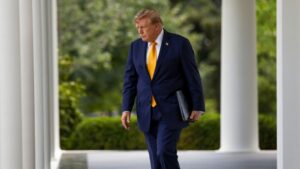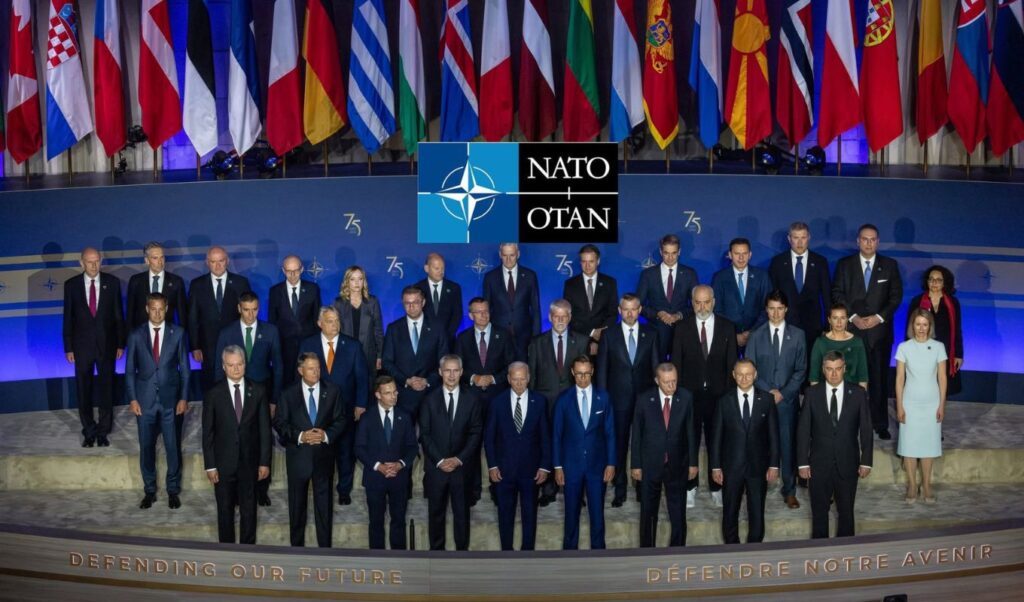
At the heart of the Turkish capital, the pulse of global diplomacy and international security beats strongly, as Ankara hosts the 36th NATO Summit on Tuesday, July 7 and Wednesday, July 8 — a meeting already being described as a pivotal moment for the future of the Atlantic Alliance. Leaders from all 32 member states are expected to attend and determine the alliance’s future following the withdrawal of support from the American administration of Donald Trump. The heads of state and prime ministers of NATO member countries aim to crystallize a renewed strategic vision, which Turkish analysts are calling “NATO 3.0”.
Read more: NATO Summit: F-35s, Turkey and Israel — Behind the scenes of negotiations and Trump’s difficult equation
NATO: Unprecedented interest in the Ankara summit
The agenda is exceptionally heavy. According to Turkey’s Director of Communications, Burhanettin Duran, leaders will focus on strengthening defense investments and addressing Euro-Atlantic threats and challenges at a strategic level, including raising national defense budgets to 5% of GDP — a commitment agreed upon at last year’s NATO Summit in The Hague.
Beyond heads of state, the NATO Summit will bring together approximately 100 ministers, senior diplomats, and thousands of international guests.
Security measures in Ankara are nothing short of extraordinary, with checkpoints causing significant disruptions across the city’s road network. More than 56,200 police officers and gendarmerie personnel have been deployed throughout the city to maintain order, while 639 cybersecurity specialists are monitoring digital threats around the clock. The movement of delegations is being coordinated across three airports, highlighting the massive logistical demands of the event.
Media interest has reached unprecedented levels, with approximately 3,000 accredited journalists and technicians covering the summit from the International Press Center at the Presidential National Library. However, the event has not been without controversy — according to reports in the Turkish press, numerous Turkish journalists from opposition outlets were denied the accreditation needed to cover the proceedings.
Meanwhile, the state broadcaster TRT has taken charge of international media distribution, deploying 96 cameras and 18 live broadcast vehicles. Beyond the diplomatic dimension, Turkey is leveraging the summit to advance its national brand. Around 5,000 outdoor advertising placements across Ankara are showcasing campaigns for the Turkish defense industry, promoting tourism, and highlighting the country’s bid to host the COP31 presidency.