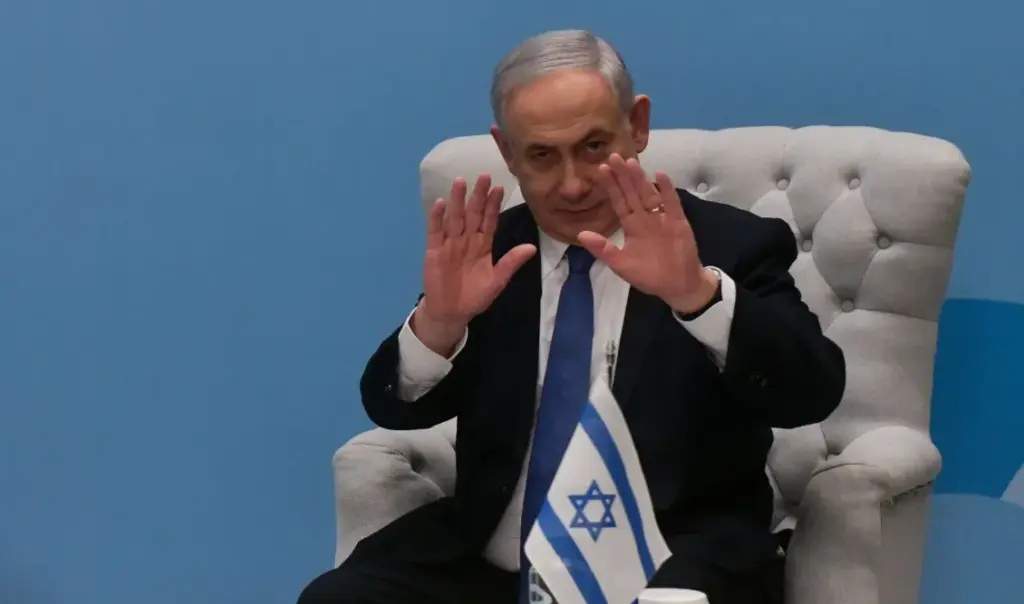
A new US intelligence report reveals Washington’s growing concerns about Israeli Prime Minister Benjamin Netanyahu’s intentions in the Middle East. According to a Washington Post report citing current and former officials, Israel may be moving to undermine diplomatic efforts aimed at reaching a long-term peace agreement with Tehran.
Read also: US & Iran: The failed record of successive ceasefires — Lebanon’s powder keg and the new diplomatic collapse
Military operations despite the ceasefire
Drawing on relevant intelligence reports, the officials stressed that Israeli Prime Minister Benjamin Netanyahu is determined to press ahead with military operations against Hezbollah inside Lebanese territory — despite the ceasefire he agreed to — launching strikes that could undermine Washington’s efforts to secure a long-term agreement with Iran. Officials believe this stance could place the already fragile US-Iran relationship in serious jeopardy, given that Tehran is demanding a complete halt to all hostilities on Lebanese soil.
According to the report, any further escalation of Israel’s military campaign in Lebanon would not only threaten the framework of the US-Iran agreement signed this past Wednesday, but could also trigger a serious rift in the Netanyahu-Trump relationship — a relationship that has been pivotal to the Israeli prime minister’s political trajectory. Donald Trump himself, speaking from France where he attended the G7 summit, acknowledged there was “a small disagreement over Lebanon” with Netanyahu, noting that he had asked the Israeli leader not to “knock down a building every time someone from Hezbollah enters it.”
Netanyahu’s political survival is directly tied to maintaining a military presence in Lebanon
The new US intelligence assessment also concludes that, with Israel’s autumn elections on the horizon, Netanyahu’s political survival is directly tied to his need to maintain a military footprint in Lebanon and continue escalating operations against Hezbollah. As the report notes, any troop withdrawal or halt to operations could be perceived domestically as a political or personal defeat.
The report also highlights Israel’s deep dissatisfaction with the terms of the US-Iran memorandum of understanding, with Israeli officials arguing that the agreement weakens the “maximum pressure” policy toward Tehran. Washington officials, for their part, insist that the terms of the deal do not limit Israel’s right to respond to Hezbollah attacks, while emphasizing that the priority remains completing the agreement and preventing a global economic crisis by reopening the Strait of Hormuz.
Within Israel, public opinion appears largely in favor of escalating operations against Hezbollah. Analysts warn that any military pullback could be interpreted by voters as a defeat, further intensifying political pressure on the Netanyahu government.
Finally, the report cautions that even without further escalation, Israel’s refusal to withdraw its forces from southern Lebanon could jeopardize the US-Iran deal. As one American official noted, keeping troops in place is a “recipe for destabilization,” as it raises the risk of a renewed flare-up between Israeli forces and Hezbollah.