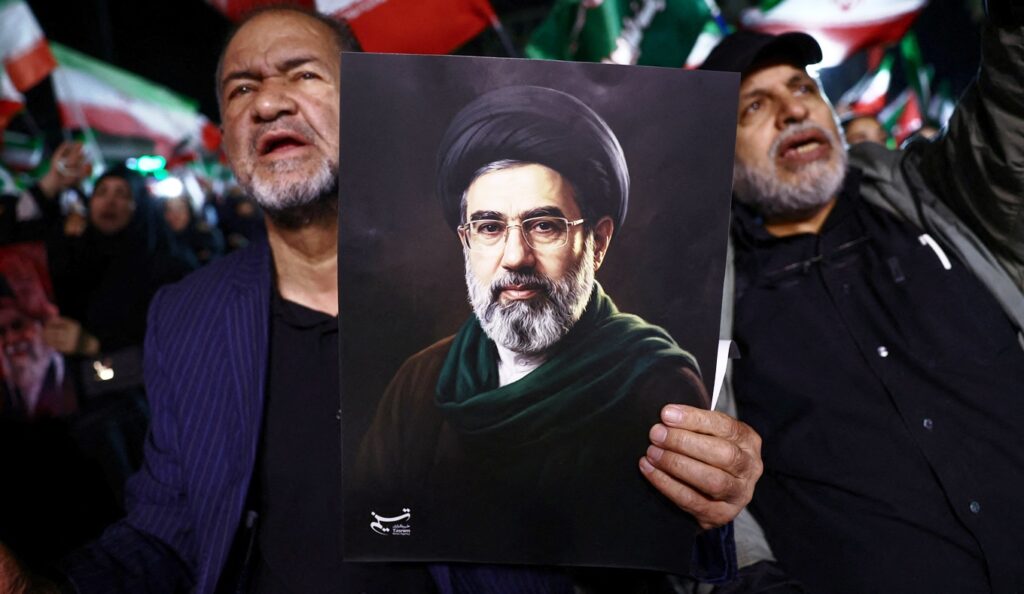
The US-Iran agreement may have put an end to the military confrontations that shook the Middle East in recent months, but the political and media battle between the two sides continues with undiminished intensity. Just hours after the Memorandum of Understanding was signed, both Washington and Tehran are working to present the deal as their own victory, addressing primarily their domestic audiences. On one side, Iran’s Supreme Leader Mojtaba Khamenei appears to be arguing that the United States was forced to apply intense pressure to secure the agreement, while on the other, Donald Trump dismisses all criticism and insists that the US secured a significant strategic victory. The US-Iran agreement was reached after months of conflict, diplomatic backroom dealings, and international pressure — yet both sides are already offering entirely different accounts of how they came to the negotiating table.
US-Iran deal: What Khamenei is claiming
Through a series of posts on platform X, Mojtaba Khamenei offered his own account of events. Iran’s Supreme Leader stated that he personally opposed the agreement but ultimately gave his consent following assurances from the country’s president, Masoud Pezeshkian, and members of the Supreme National Security Council. According to his statements, the Iranian side secured guarantees that the rights of the Iranian people would not be undermined, and that no concessions damaging to the country’s strategic interests would be made.
His remarks about Donald Trump drew particular attention. Khamenei claimed that the American president used every available means of pressure to achieve the deal, describing him as a “desperate” leader searching for a way out of a difficult situation. This positioning is part of Tehran’s broader effort to present the agreement as the result of resistance rather than a retreat in the face of American demands.
US-Iran deal: Trump’s response to Khamenei’s statements
On the other side, Donald Trump struck a notably aggressive tone toward his critics. Via Truth Social, he argued that the agreement represents a clear success for the United States and flatly denied reports of financial concessions to Tehran. The American president dismissed claims of a $300 billion payment to Iran as false and misleading. He also pointed to market performance and falling oil prices as proof that the deal serves American interests. “The only thing the United States finds in this is success, oil prices going down, and a win,” he stated. Trump also went on the offensive against those questioning his strategy, suggesting they were either envious or unwilling to acknowledge the results the deal had already delivered.
At the same time, American media outlets and analysts have been far more cautious in their assessments. Reports suggest that Tehran managed to preserve significant negotiating advantages and that US objectives were not fully achieved. Despite the competing interpretations, one thing is certain: while the agreement may have ended hostilities, it has opened a new chapter of political confrontation. The battle is no longer being fought on the ground, but in the arena of politics and public perception — with each side striving to convince the world that it emerged victorious from the worst Middle East crisis in years.