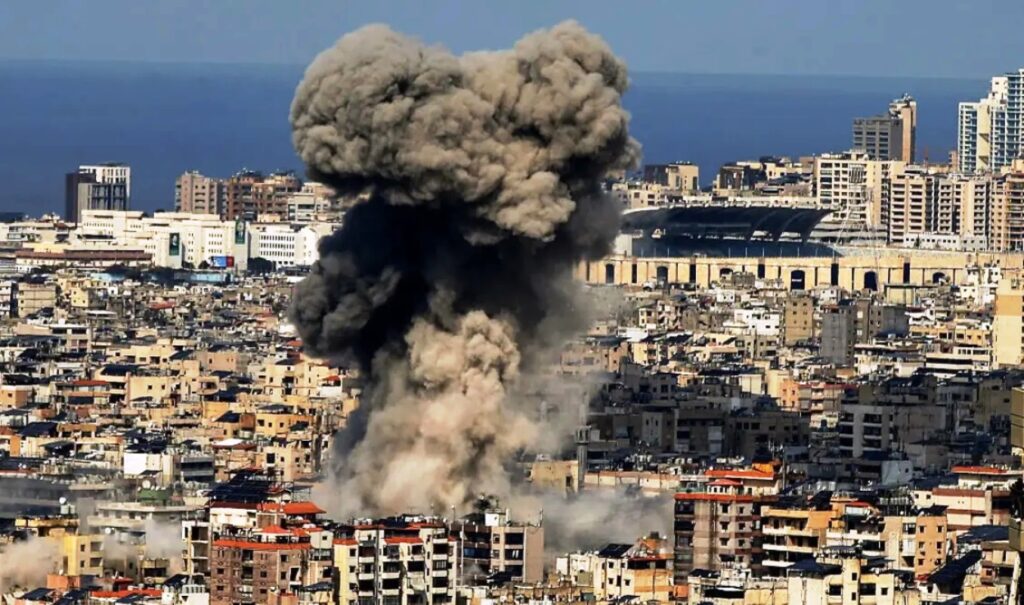
A new cycle of tension in the Middle East is unfolding following the collapse of the fragile ceasefire that had created hopes for de-escalation in recent months. The latest developments confirm that the region is returning to a period of heightened uncertainty, as Israel and Iran exchange threats, missile strikes and harsh statements. Tel Aviv made it clear that it will not accept the terms set by Tehran, while simultaneously conveying that military operations against Hezbollah in Lebanon will continue without any change in planning. This new escalation is considered the most significant since the ceasefire was implemented about two months ago and revives fears of broader destabilization in the region.
Middle East: Israel’s message to Iran
Israel appears determined to maintain its hard line stance against Tehran. The country’s Defense Minister, Israel Katz, sent a clear message that the Israeli government will not back down in the face of Iran’s warnings. In a statement issued by his office, Katz said: “We categorically reject Iran’s threats. Any Iranian attempt to connect Lebanon to Iran in order to attack Israel will face a very strong response.”
This statement came hours after a new exchange of military strikes that dramatically increased tensions in the region. Israeli authorities insist that operations against Hezbollah will continue, considering the organization a direct threat to the country’s security. At the same time, the Israeli leadership appears determined not to allow Iran to gain greater influence through its allies in Lebanon.
Middle East: Tehran’s response
For its part, Iran maintains that the latest attacks were carried out in response to Israeli actions. According to Tehran, the missiles launched toward Israel were retaliation for an air raid against Hezbollah targets in the southern suburbs of Beirut.
The Iranian leadership announced earlier the cessation of military operations against Israel, without however ruling out a new reaction if attacks continue. Indeed, Tehran warned that Israel would face “much stricter actions” if it continues military operations it characterizes as aggressive. This particular statement is interpreted by many analysts as an attempt to pressure Tel Aviv, but also as a message to Iran’s allies in the region.
The new crisis and fears of broader conflict
The resumption of hostilities has caused intense concern in the international community. The collapse of the ceasefire comes at a time when there were hopes that the two sides could avoid a new broad confrontation. Instead, recent events show that the situation remains extremely fragile.
Israel responded to Iranian strikes with new attacks, while operations against Hezbollah continue in Lebanon. The involvement of multiple actors in the crisis creates fears that the confrontation could escape current geographical boundaries and overall affect regional security. The coming days are considered critical for the course of developments, as they will show whether the two sides will limit themselves to controlled military moves or if the Middle East will enter a new period of generalized instability.