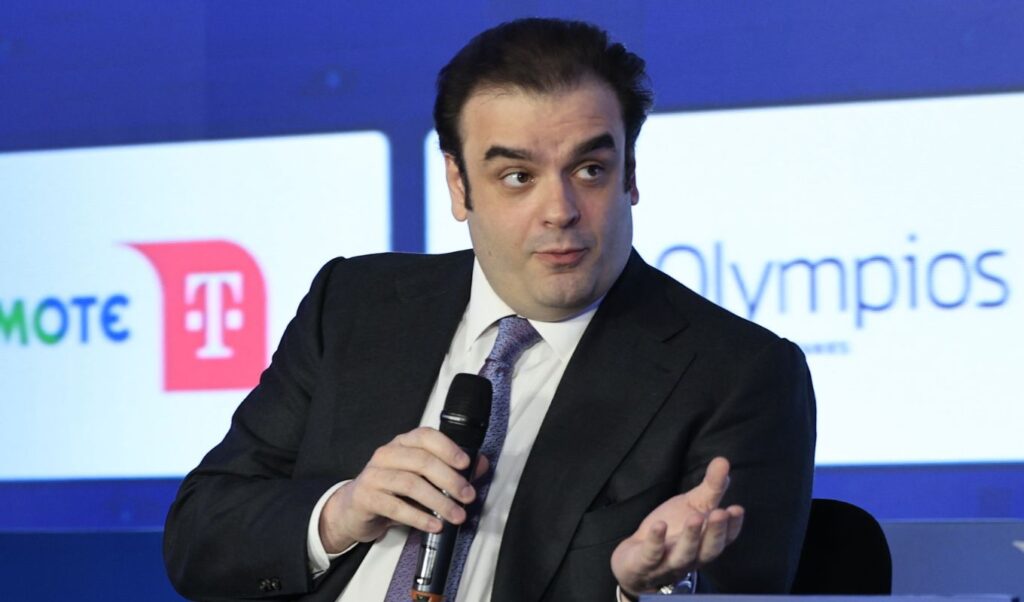
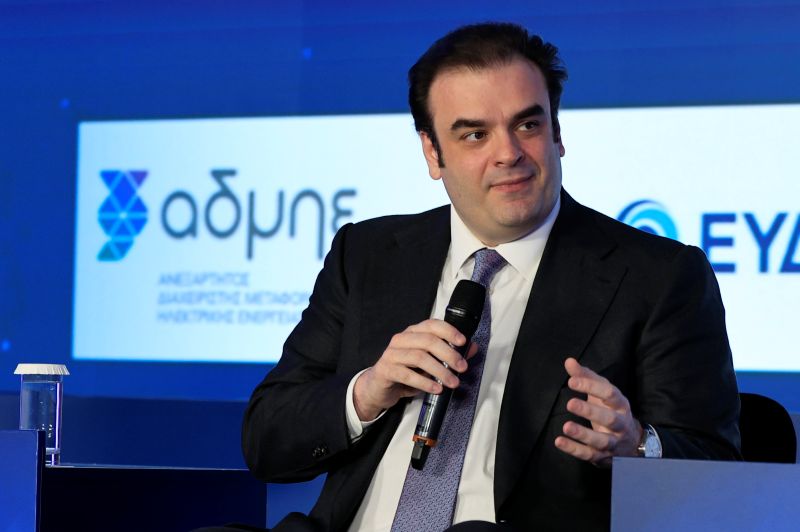
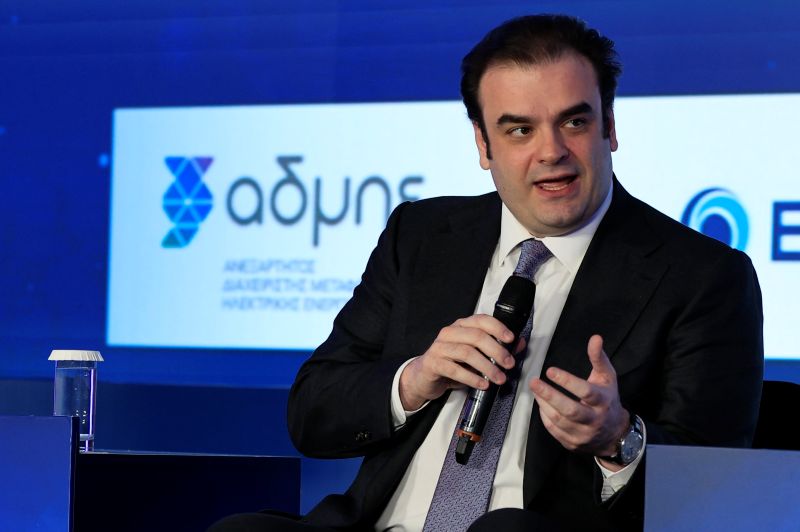
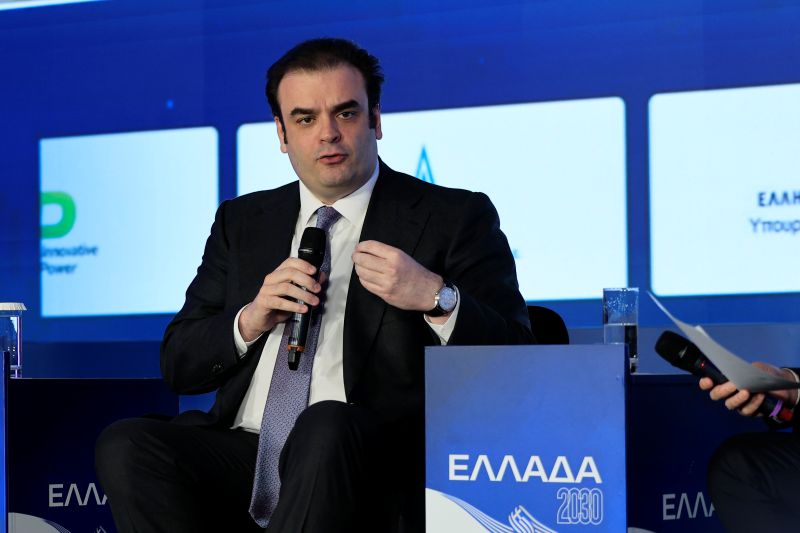
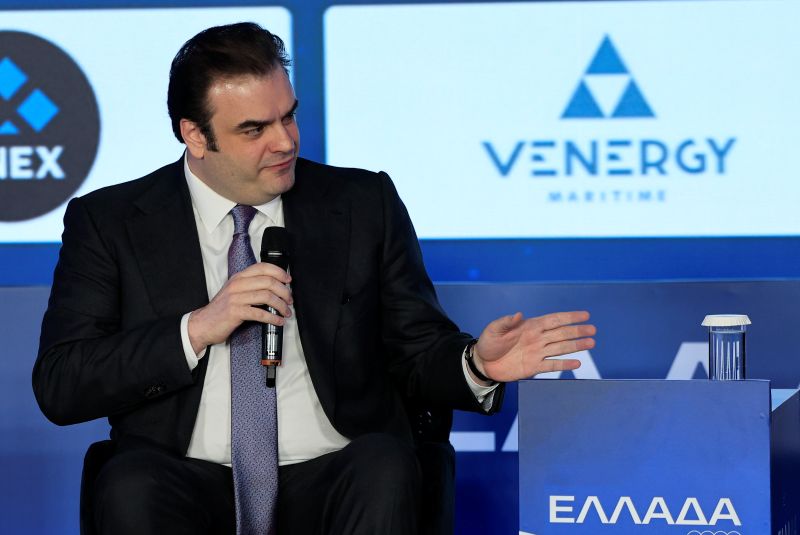
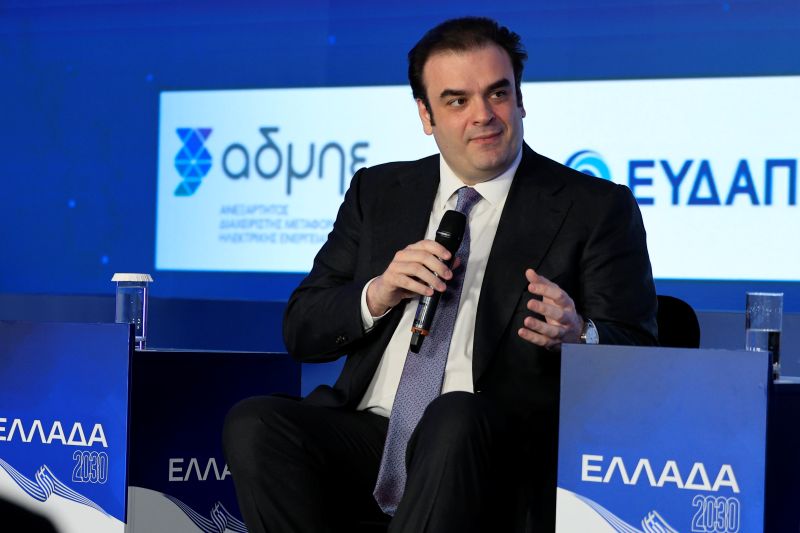
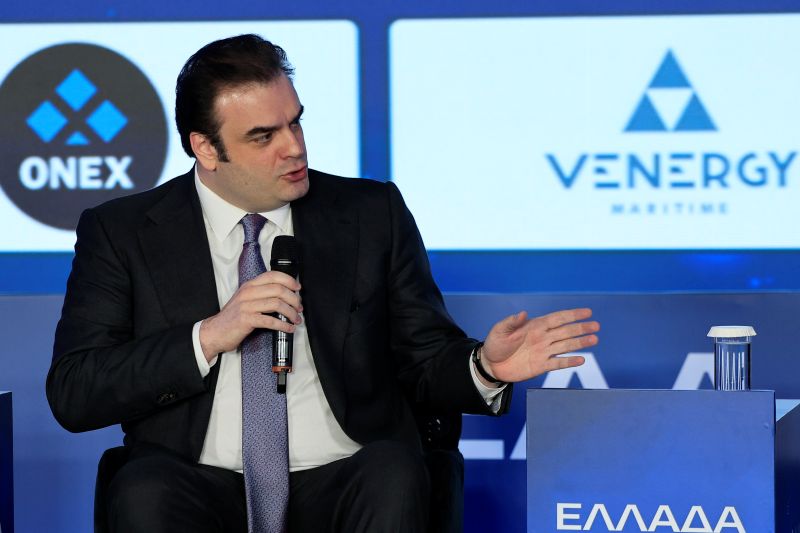
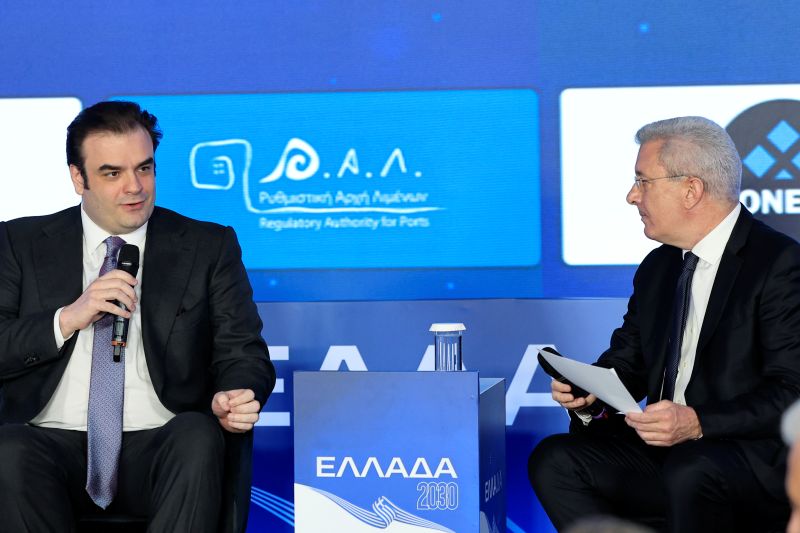
“Greece as an outward-looking country that produces and opens itself to the world is the biggest change,” said Kyriakos Pierrakakis at the end of his discussion with journalist Nikos Chatzinikolaou, during the 2nd two-day conference “Greece 2030”. He had already described the status quo of the Greek Economy, while emphasizing that, starting from 2027, “Greece will not be the most indebted country in Europe“. The Minister of National Economy and Finance and President of the Eurogroup discussed within the framework of “Economy & Development. Reforms, investments, primary production. The new agenda”.
Read: Alexandros Exarchou: An economic reversal could take us back to 2010
Kyriakos Pierrakakis: “We experienced what digitalization can achieve”
Kyriakos Pierrakakis spoke about horizontal digitalization in the public sector and completing digitalization through the use of artificial intelligence, when asked about the reform that could substantially change the country’s productivity within the next five years: “Completing digitalization through the use of artificial intelligence. And let me explain why. We experienced very characteristically what digitalization can achieve, whether we talked about combating tax evasion and improving surpluses, together with the independence of the Independent Authority for Public Revenue, or whether we talk about gov.gr which completed its six years and now you have 2,200 plus reasons not to leave your home or your workplace to be served.
At this moment, utilizing the resources of the Recovery Fund, we are implementing a series of digitalization projects horizontally in the public sector, whether it concerns the field of Justice or the field of Health. The productive model by 2030 must have changed completely. Greece from 2027, not from 2030, will not be the most indebted country in Europe. All these are important. The great qualitative change is Greece, as an outward-looking country that produces and opens itself to the world,” concluded Kyriakos Pierrakakis.

“More confidence”
Kyriakos Pierrakakis emphasized that Greece has been upgraded in terms of its position in the economy and that it has gained confidence. “Greece, therefore, is closing a cycle and this cycle is surrounded by more confidence for the country and for the economy. And this translates into lower borrowing costs compared to what we would have had, more investments, more exports,” he characteristically noted.
Indeed, to highlight the investments that are being made – as well as those that are about to be made – the Finance Minister cited a recent IMF research which stated that the impact of the economic crisis in Europe and in our country is 12% smaller due to the investments that have been made from 2022 onwards.
The President of the Eurogroup was called to comment on the growth rate in our country, saying that the generative causes for it were more investments and more exports in relation to imports. “Obviously there is also an increase in consumption. The measures from the Thessaloniki International Fair have also played a positive role, the reduction of direct taxes -the biggest tax relief of the post-dictatorship era- with emphasis on young people and families, and with the gradual elimination of taxes… All these, therefore, together, all these cumulatively, act positively in relation to the growth forecast,” he emphasized. Furthermore, he argued that in relation to the European average, Greece is moving at more than double the growth rate compared to Europe, despite the pressures on the global economy from the war in the Middle East. “We want more foreign investments. We want more domestic investments. We want more mergers and acquisitions. We want more moves so we can claim that yes, Greece’s productive model has now changed completely. And secondly, exports. I mentioned earlier that the growth rate compared to last year is moving higher due to exports. When we entered the crisis in 2009, exports were 20% of GDP. Now they are over 40%”.
Measures
Finally, he spoke about measures taken for relief from high prices: “From the 15% subsidy on fertilizers, to the diesel subsidy initiative, as well as all measures concerning coastal shipping and agricultural fuel. The increase in minimum wage and tax relief can also be considered as initiatives that relieve part of the citizens against inflation”.