The Middle East is once again at the center of global attention. According to a Bloomberg report, Iran is in discussions with Oman to create a permanent toll “station” at the Strait of Hormuz. If this specific plan is implemented, ships crossing the strategically important passage would be required to pay exorbitant amounts in exchange for their “safe passage.”
Bloomberg: Tolls coming to the Strait of Hormuz
This development comes as a continuation of the deep crisis between the US, Israel and Iran, which has caused serious problems and restrictions on shipping in the region. On the afternoon of Thursday, May 21, 2026, oil prices soared vertically approaching $110, spreading panic in the markets. Meanwhile, the global economy is under intense pressure as fears of a new wave of inflation and widespread instability are reignited.
Iran’s ambassador to France, Mohammad Amin-Nejad, stated that Iran and Oman must cooperate to ensure security and proper management of navigation in the region. As he said, this “will have a cost” and those who use the passage “will have to pay their share.” He also argued that the system would be “transparent,” according to the Bloomberg report.
The Strait of Hormuz, located geographically between Iran and Oman, constitutes the main maritime passage connecting the Persian Gulf to the Indian Ocean. Approximately 20% of global oil passes through this specific point daily, as well as huge quantities of liquefied natural gas (LNG), and other critical commodities such as aluminum and fertilizers.
The shipping “blockade” and corporate fears
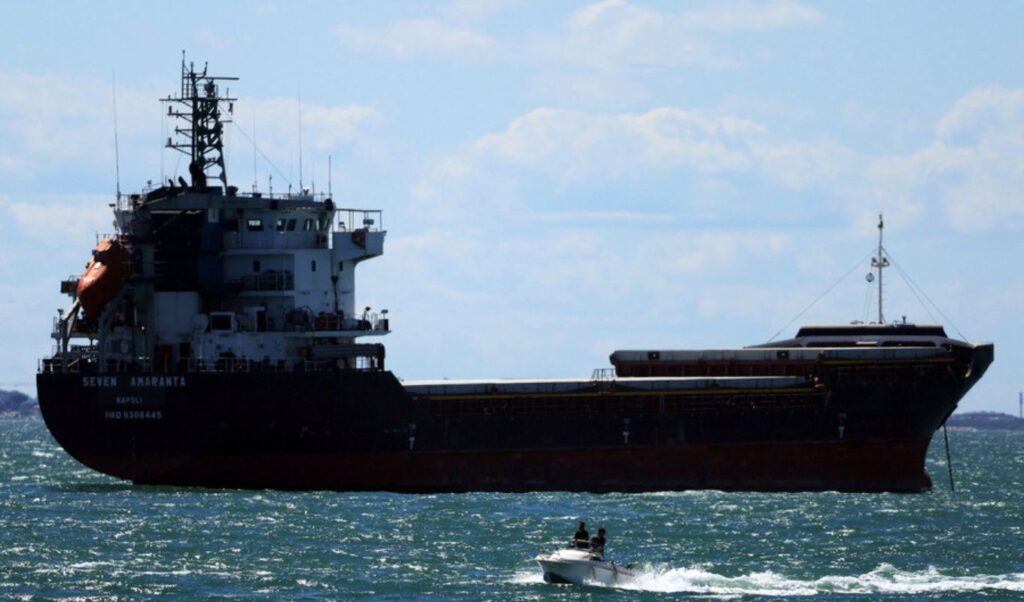
Iran refuses to allow the full and free resumption of operations at the Strait unless the US first ends the naval blockade they have imposed on Iranian ports. Although Tehran maintains that movement has not been completely stopped – citing the recent passage of 26 tankers escorted by the Revolutionary Guards – reality is far from the previous situation.
Before the outbreak of war, approximately 135 ships passed through the Strait daily. Today, shipping companies are massively avoiding the area until the crisis subsides, fearing attacks with missiles, drones and sea mines.
Despite the temporary ceasefire agreed between Iran and the US on April 8, the atmosphere remains explosive. The two sides continue to exchange warnings and messages about a possible peace agreement through Pakistan, yet they declare themselves ready to return to military operations at any moment.
The status of the Strait constitutes the main point of friction in the region. The US, Europe and the Arab Gulf countries, led by Saudi Arabia, make clear that Iran is not legitimized to unilaterally control a passage that is treated and internationally recognized as international waters.
New system promoted by Iran
According to information, Iran has already expanded the area it considers under its jurisdiction and has created a new entity called the “Persian Gulf Strait Authority.” Some ships reportedly have received payment demands reaching up to $2 million for safe passage.
Tehran claims that countries like China and South Korea cooperated with the Iranian navy to pass ships through the area, though without official confirmations. Meanwhile, Iran appears determined to maintain control over the Strait even after the war, both for security reasons and to strengthen its economy.
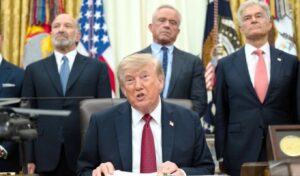
Donald Trump warned Iran not to proceed with imposing tolls, while at another point he had left open even the possibility of joint US-Iran management of the Strait.
At the same time, Gulf countries appear particularly anxious. The head of the largest oil company in the United Arab Emirates stated that “a dangerous precedent” is being created, emphasizing that if a country can hold the world’s most important maritime passage “hostage,” then freedom of navigation will be seriously threatened.
The Iranian ambassador, however, tried to reduce tension with Arab countries, saying that misunderstandings can be resolved after the end of the war. He also argued that the US underestimated Iran’s resilience and mistakenly believed that sanctions and pressure would lead the country to rapid collapse.