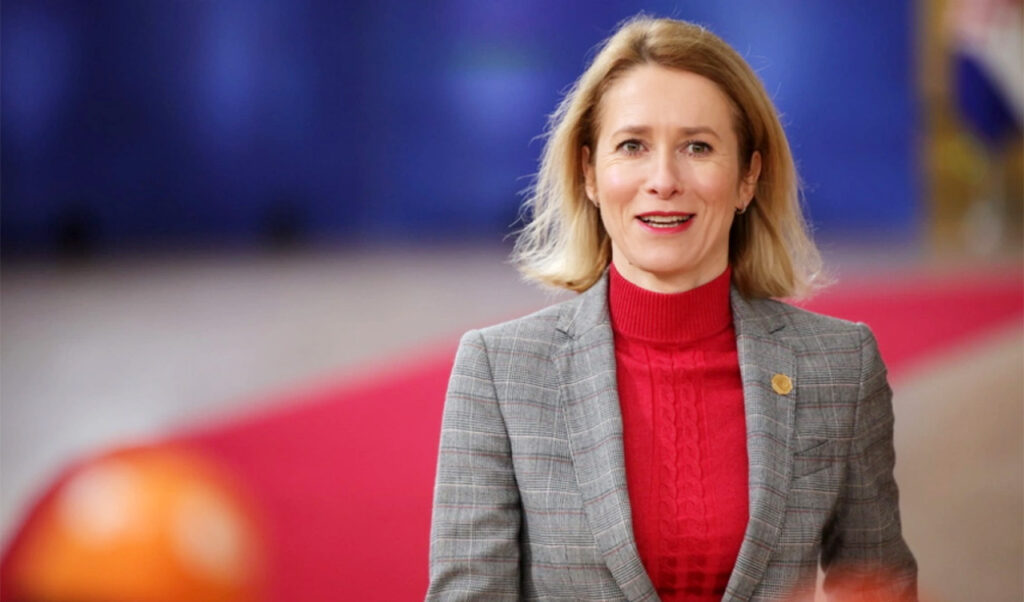
The EU could in the future withdraw funding to developing countries that support Russia or Iran, stated the head of European diplomacy, Kaja Kallas, shortly before the Development Ministers meeting in Brussels, as reported by Euractiv. According to Ms. Kallas, the EU must adopt a new aid allocation policy.
Kaja Kallas: If a partner supports Russia or Iran, we must have the necessary flexibility to reassess our cooperation
“If a partner supports Russia or Iran, we must have the necessary flexibility to reassess our cooperation,” she stated. This is not about complete withdrawal of support, but the EU will take its own interests into account. “We have projects to support countries, but in reality they work in favor of our competitors. We need to think about how to correct this situation,” she emphasized.
It should be noted that Ms. Kallas made this statement amid preparations for the EU’s new investment strategy, the Global Gateway, with a budget of approximately 300 billion euros. The program provides for funding infrastructure, energy, digital and other projects in developing countries.
For his part, European Commissioner for Development, József Síkela, stated that under current conditions, investments have become a means of influence and foreign policy cannot be emotional. He also advocated for prioritizing European companies when allocating funding for overseas projects.
Ms. Kallas had previously stated that Russia, China and the US seek to weaken the EU, as they prefer to deal with individual countries rather than a single bloc. At the same time, there are concerns in the EU that excessive linking of aid to foreign policy could reduce the effectiveness of developing country support programs and strengthen the influence of other global actors.
The main focus of EU investments under the Global Gateway program is Africa – Egypt, Kenya, Nigeria, South Africa, Morocco, Senegal and Tunisia.
In Asia, investments are directed to India, Indonesia, Vietnam, the Philippines and Bangladesh. In Latin America, key partners are Brazil, Mexico, Colombia, Chile and Peru. Capital is invested in infrastructure, raw materials projects, logistics and green energy. The programs are implemented through the European Investment Bank (EIB), which provides loans and guarantees.