Lesbos is being visited for the second time in just a few days by Deputy Minister of Rural Development and Food, Athanasios Kavvadas, to assess firsthand the implementation of biosafety measures and progress in combating the animal disease on the island.
Athanasios Kavvadas: “Lesbos will win the battle – We continue with strict implementation of biosafety measures and producer support”
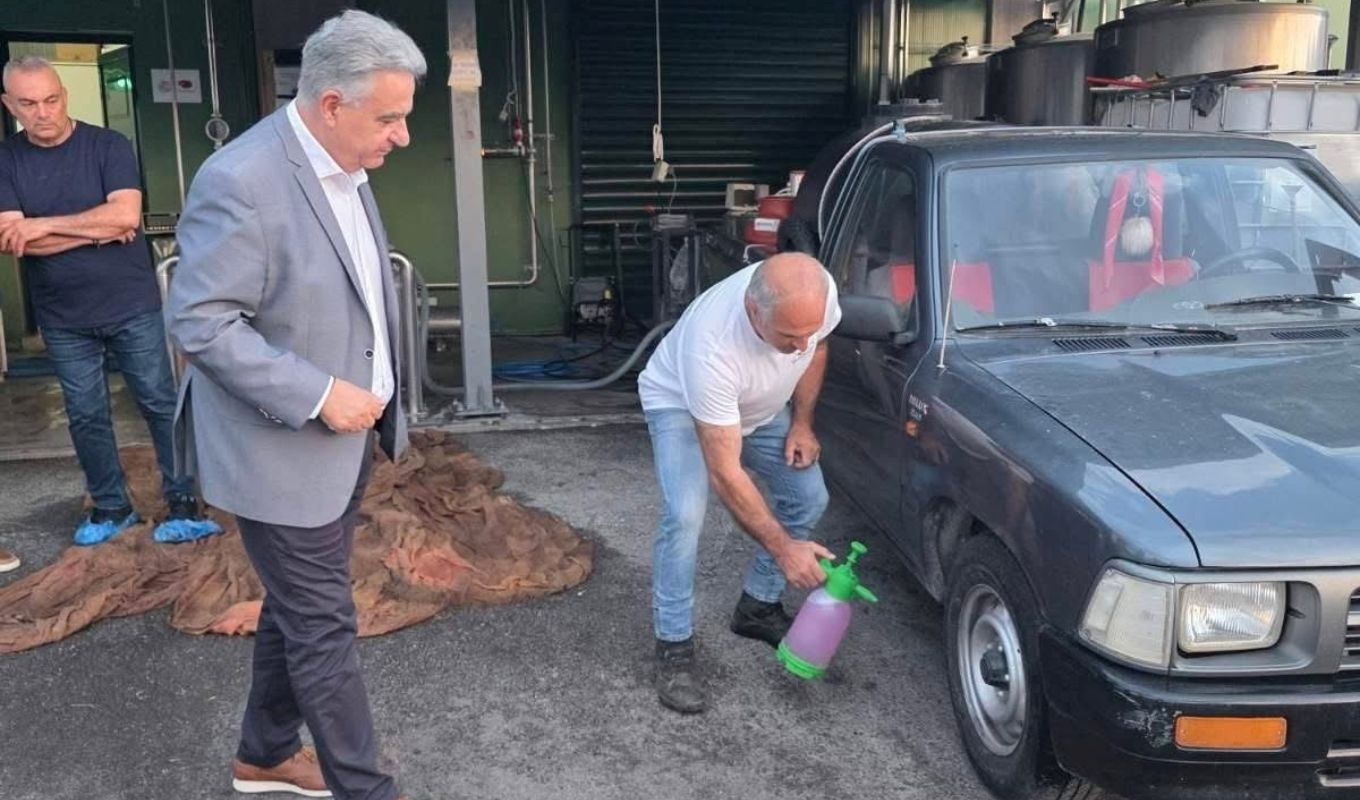
During his Tuesday visit (May 19), accompanied by former minister and former deputy speaker of parliament Charalambos Athanassiou, they visited Mytilene port in the presence of Lesbos harbor master, Lieutenant Commander George Koulikas, where it was confirmed that biosafety measures are being implemented to a highly satisfactory degree – a critical element for protecting livestock production and the local economy.
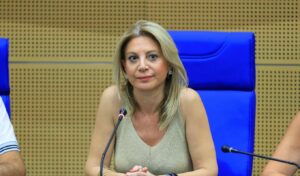
The deputy minister held meetings with Ministry veterinarians in the presence of Ms. Aikaterini Papapostolou from the Thessaloniki Veterinary Center, Army personnel led by Lieutenant Colonel Kostas Paraskefopoulos, and the head of the Lesbos milk quality control laboratory – ELGO-DIMITRA, Ms. Marina Chondrou, discussing the progress of contact tracing, the epidemiological picture on the island, and issues facing frontline services.
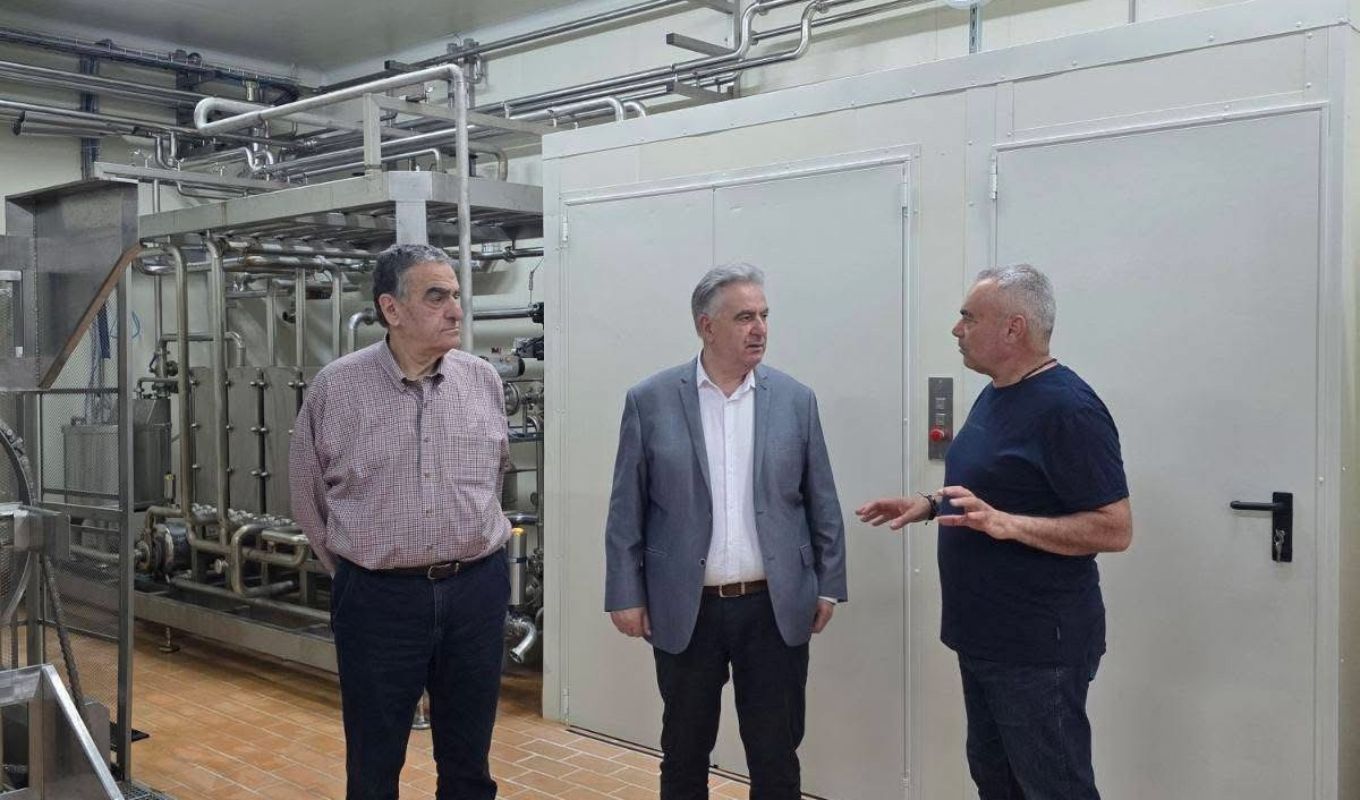
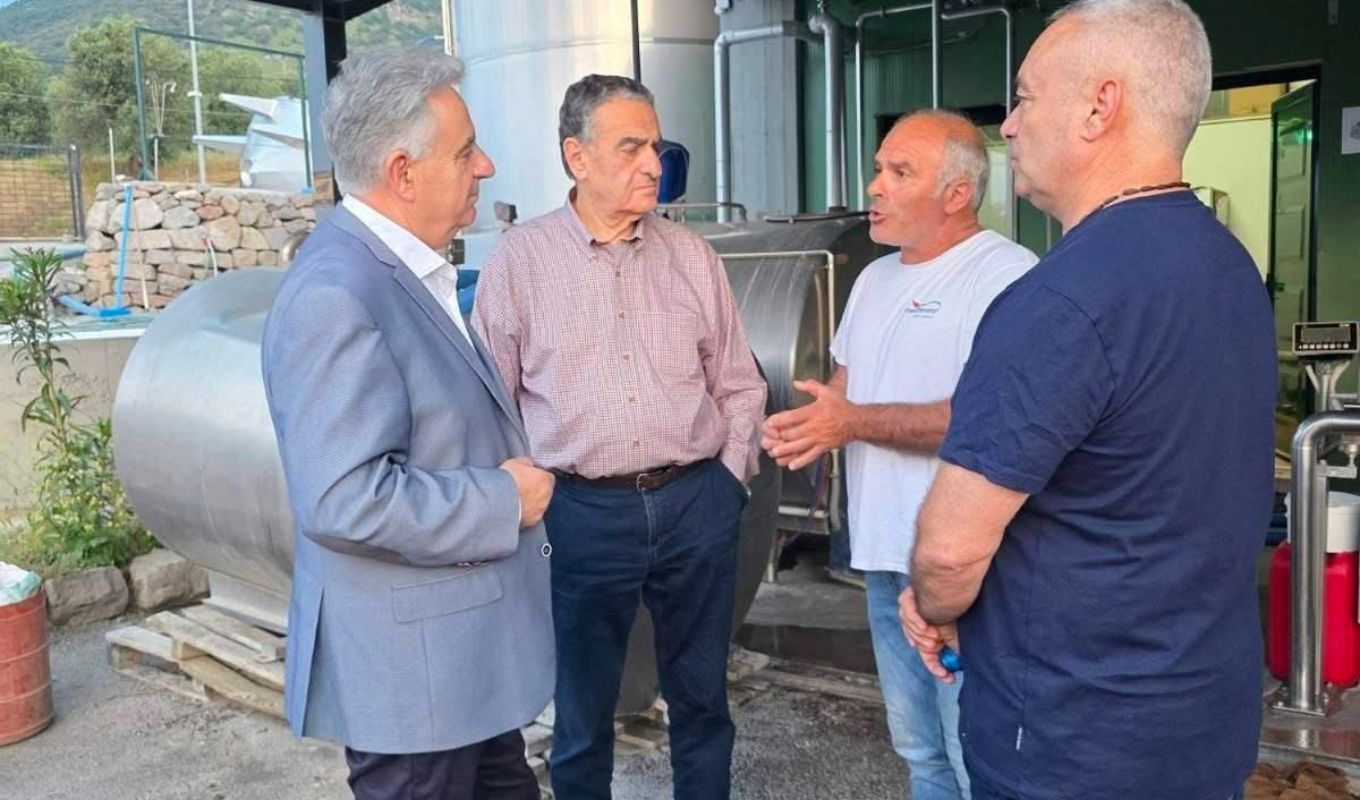
He also visited a dairy unit in Lesbos, where he discussed with production representatives the problems that have emerged and the support measures the government is implementing.
Particularly moving was Mr. Kavvadas’ visit to Napi, one of the areas most affected by the disease, as according to current data approximately 80% of the region’s livestock has been culled due to outbreaks. The deputy minister spoke with residents and livestock farmers, listened to their concerns, and reiterated the government’s commitment, personally from Prime Minister Kyriakos Mitsotakis, for substantial and lasting support for those affected.

Kavvadas: Situation in Lesbos shows improvement
In his statements, Mr. Kavvadas emphasized that the situation in Lesbos now shows clear signs of improvement, as no new cases were recorded from May 13-18 among more than 5,000 animals tested, while over 41,000 animals have been examined in total and nearly 50% of the island’s farms have been inspected.
The deputy minister stressed that the positive result is due to close cooperation between the Ministry of Rural Development and Food, Local Government, veterinary services, and the producers themselves, who are responsibly adhering to biosafety measures.
He also detailed the support measures being implemented for Lesbos, which include compensation for culled animals, support for milk and animal feed, financial assistance for dairy businesses, as well as suspension of tax and insurance obligations. As he noted, €726,000 has already been paid in compensation, while €8 million has been allocated for supporting the island’s dairy businesses.
He made special reference to the restart of mature cheese distribution from Lesbos to the rest of the country, noting that more than 330 tons of products have been shipped since May 5.
“We don’t rest for a moment. The orders from Prime Minister Kyriakos Mitsotakis and Minister of Rural Development and Food Margaritis Schinas to exhaust every possibility for supporting Lesbos livestock farming are given. We continue with discipline, cooperation, and strict implementation of biosafety measures to protect livestock, production, and the overall economy of the island. Lesbos has no choice but to win this battle,” the deputy minister stated characteristically.