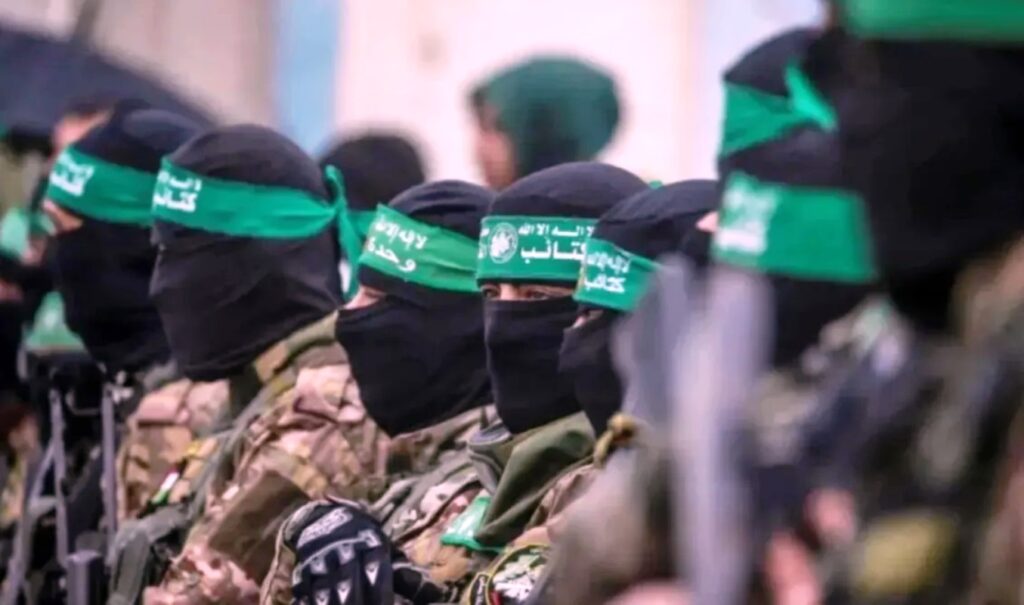
Hamas is once again in the spotlight of international attention following revelations by an Israeli television network about a classified document allegedly delivered to Israel’s political and military leadership, detailing the organization’s military reconstruction in the Gaza Strip. According to Channel 13’s report, the document presents a picture of gradual but organized restoration of Hamas’s operational capabilities, despite ongoing Israeli military operations in the Palestinian enclave. This information has caused serious concern in Israel, while Hamas was quick to categorically deny it, calling it “false” and claiming its purpose is to justify new military escalation in Gaza.
Read: Netanyahu tells CBS: “We want to make Israel independent from US military support”
According to Israeli Channel 13’s broadcast, the document states that Hamas has begun an extensive process of strengthening its military structures in areas it continues to control. Israeli intelligence services reportedly estimate that the organization is adding dozens of new fighters to each of its battalions, attempting to replace losses suffered in recent months from clashes with the Israeli army. Additionally, the document describes increased production of military equipment within Gaza. The intelligence indicates that Hamas manufactures hundreds of mortars, improvised explosive devices, and anti-tank missiles each month, in an effort to enhance its capabilities for a potential new phase of military operations.
Hamas: Intelligence on exercises and the tunnel network
The same document mentions dozens of military exercises that Hamas has conducted recently. According to Israeli security services’ assessment, these moves indicate an attempt to restore the organization’s operational readiness, despite serious damage to its infrastructure from Israeli operations. Special reference is made to Hamas’s underground tunnel network, which has been considered a critical element of its military strategy for years. According to the intelligence, no signs of new tunnel construction have been detected; however, Israeli services estimate that the organization is conducting extensive maintenance and restoration work on the existing network.
Channel 13 also reported that the overall assessment of Israeli security services is that Hamas’s reconstruction process could, over time, lead to a “significant leap” in the organization’s military capabilities. This assessment reinforces concerns in Israel that Hamas seeks to return to operational power levels that would allow it to continue the war with greater intensity in the future. This intelligence comes at a time when the Middle East situation remains particularly fragile, while the international community watches with concern developments around Gaza, Iran, and regional balances.
Hamas’s response and accusations against Israel
Hamas responded immediately to the reports and categorically denied claims about rebuilding its military capabilities and preparing new attacks against Israel. In a statement, organization spokesman Hazem Qassem called the information “false” and argued that their purpose is to provide political and military cover for new Israeli aggression in Gaza. “Claims about rebuilding military capabilities and preparing attacks serve as a pretext for continuing aggression against Gaza,” he stated characteristically.
He further maintained that Hamas continues to observe the ceasefire agreement that went into effect on October 10, despite what he called continuous violations by the Israeli side. The organization attempted to present Israel as responsible for the tension and rejected any accusations that it is preparing for a new cycle of attacks. The exchange of accusations between the two sides intensifies the already tense climate in the Middle East. In Israel, the classified document’s intelligence strengthens voices calling for maintaining military pressure on Gaza, considering that Hamas is trying to exploit every period of calm to regroup.
On the other hand, Hamas tries to appear as a force that observes the ceasefire and accuses Israel of using intelligence and leaks to justify new military operations in the Palestinian enclave. The coming period is considered critical for the situation in Gaza, as fears of new escalation remain strong and developments are closely monitored by all major regional powers and the international community.