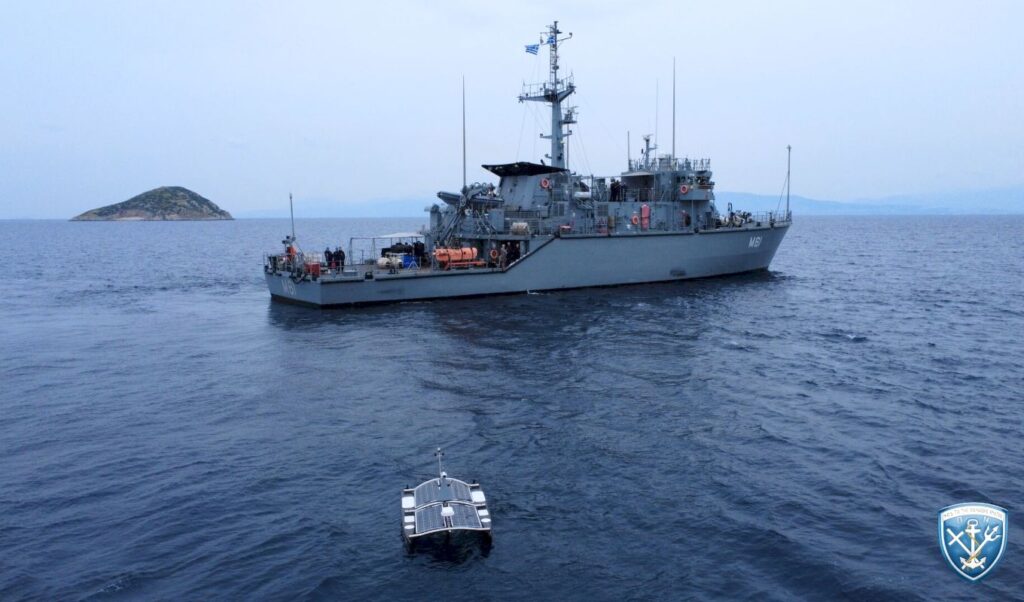
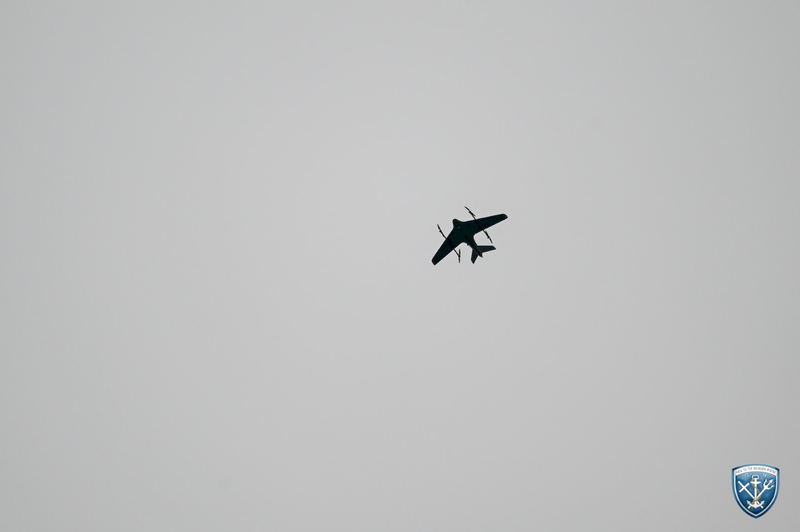
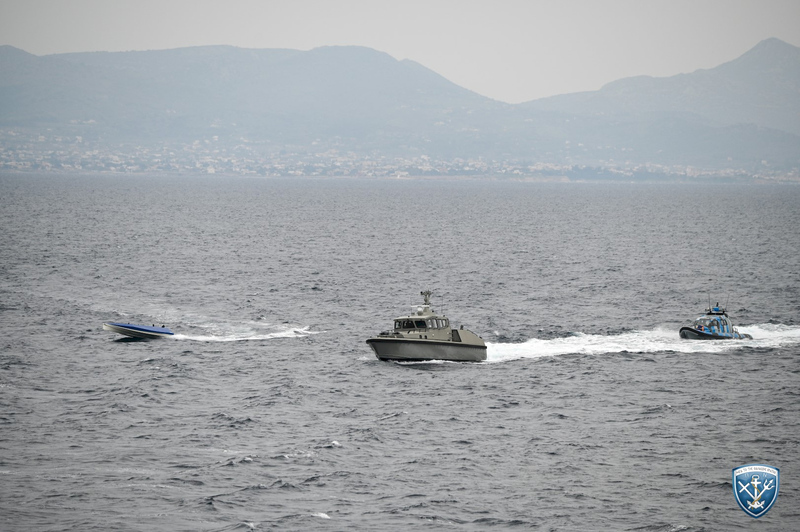
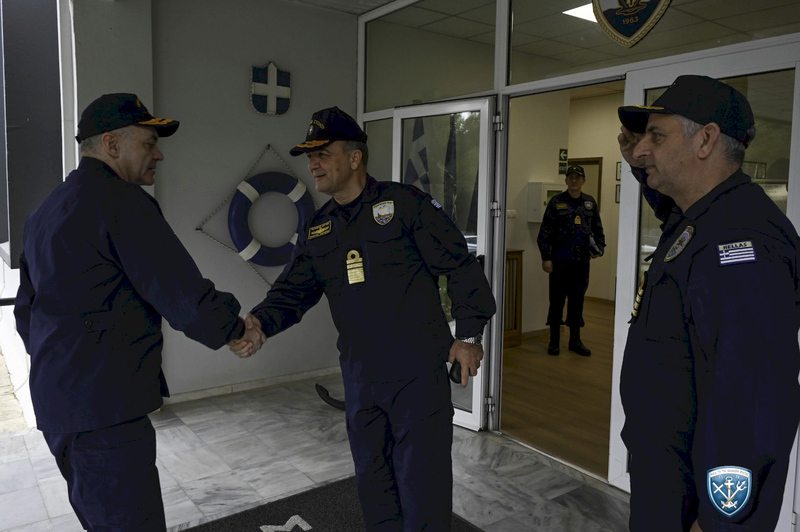
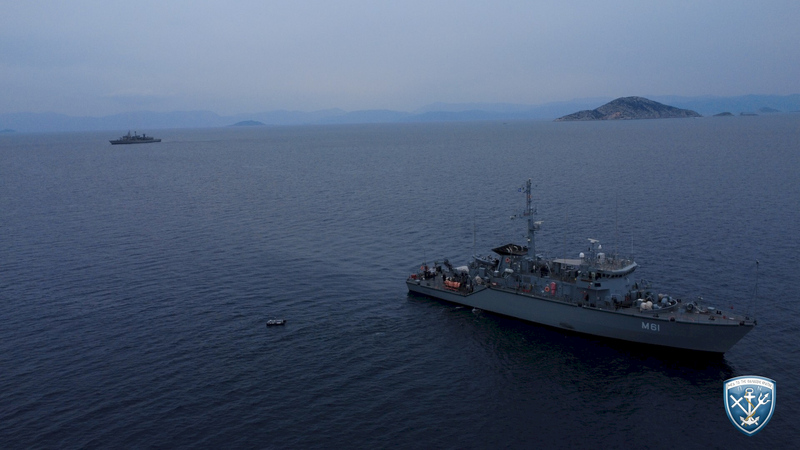
The Greek Navy conducted its first small-scale technical exercise (LIVEX) “UVEX 1/26” in the broader maritime area of the Saronic Gulf. The exercise took place from Monday, March 9 to Thursday, March 19, 2026, as part of experimentation and innovation advancement initiatives.
Read also: Greek Navy: Drones enter fleet combat operations in exercise attended by Foreign Minister
Greek Navy: Exercise participants
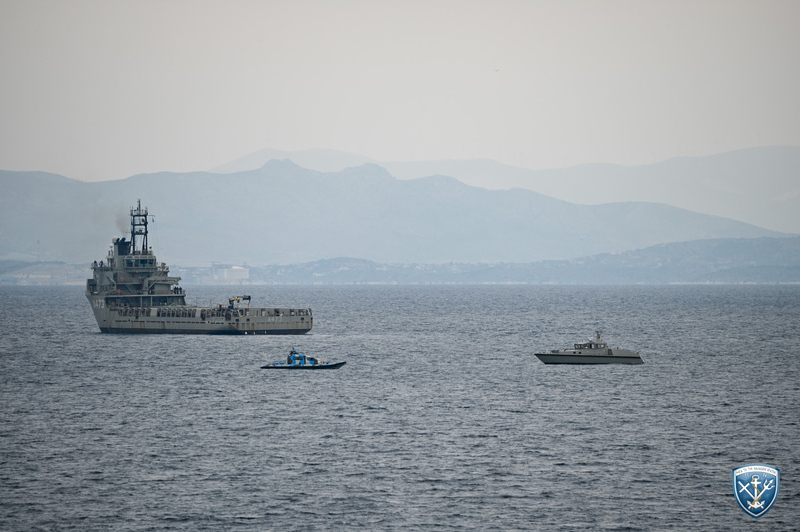
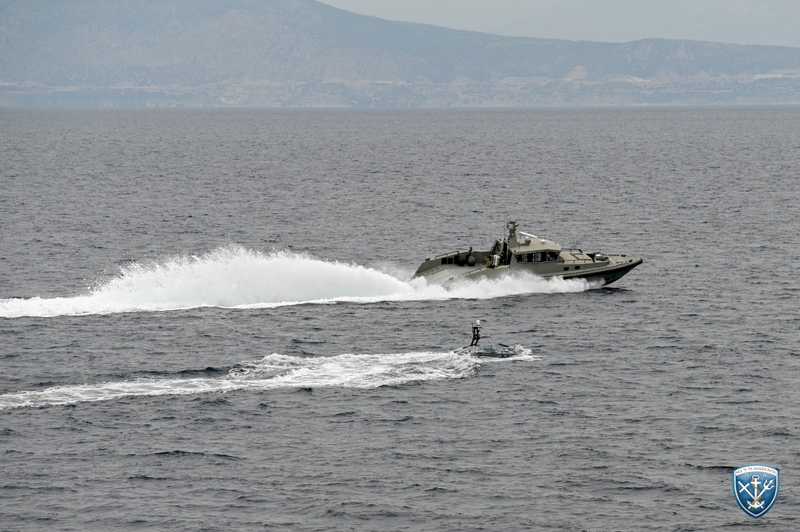
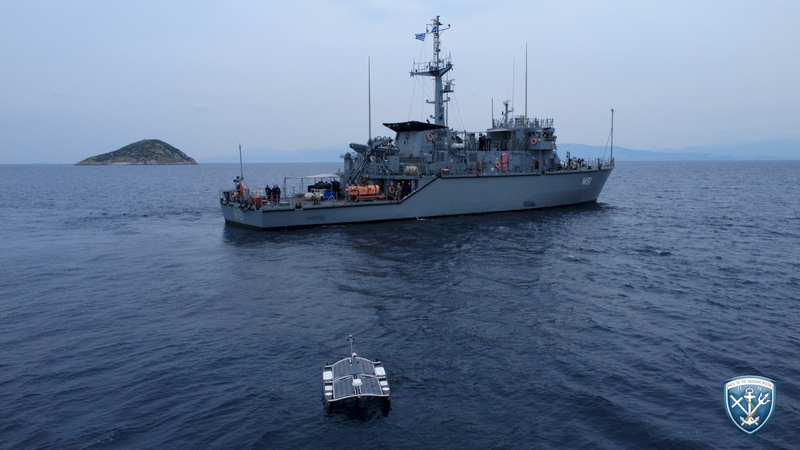
The exercise involved units from the Frigate Command (ΔΦΓ), Fast Attack Craft Command (ΔΤΣ), Patrol Vessel Command (ΔΠΕ), Mine Warfare Command (ΔΝΑΡ), and Underwater Demolition Command (ΔΥΚ), as well as unmanned aerial, surface, and subsurface vehicles manufactured by various companies, including those from the Greek Innovation Ecosystem and the broader domestic defense industry.
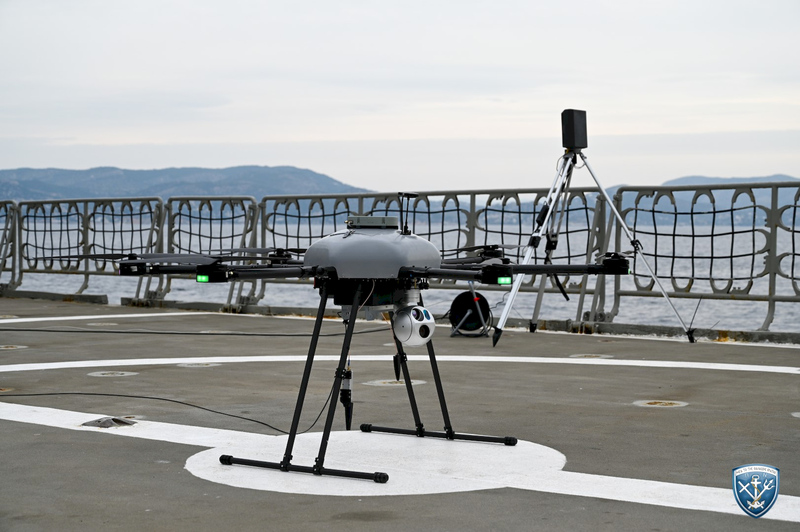
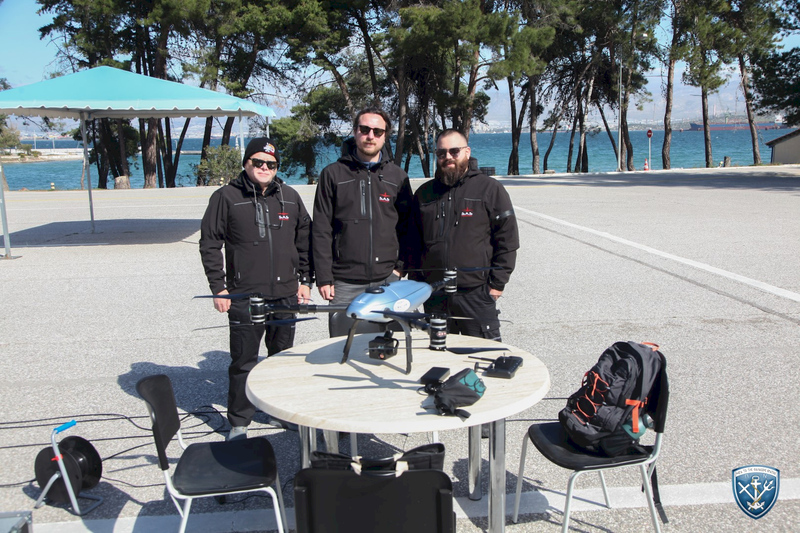
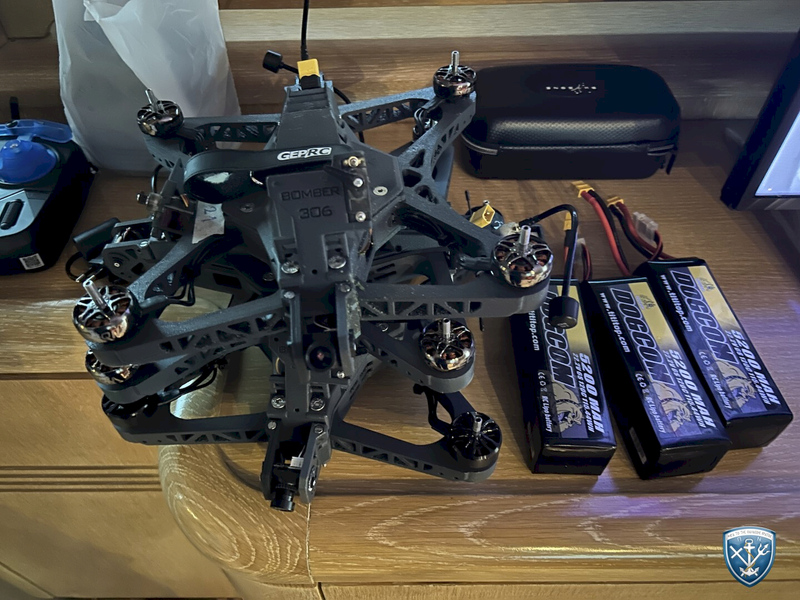
According to the Greek Navy announcement, innovative systems developed and manufactured by the Hellenic National Defense General Staff’s Research, Technological Development and Innovation Center (KETAC) and the Army’s 306 Telecommunications Base Workshop (306 EBT) were also used and evaluated, including the Mobile Drone Production Unit.
UVEX 1/26: A technical exercise
The “UVEX 1/26” represents a technical exercise aimed at evaluating unmanned and innovative operational systems, as well as testing the capabilities and responses of participating units in a modern operational environment.
Greek Navy exercise conducted in two phases
The exercise was conducted in two phases. During the first phase (March 9-16, 2026), preparation and testing of participating systems took place, while the second phase (March 17-19, 2026) executed the main part of the exercise at sea, with field evaluation of the systems.
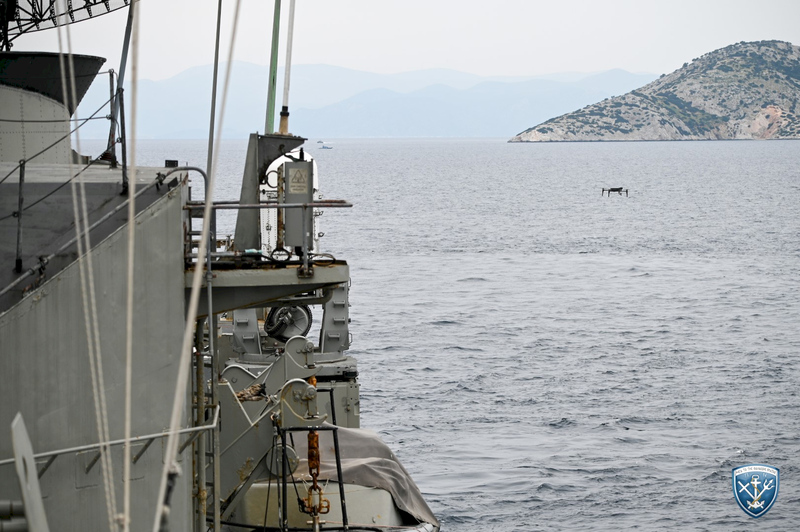
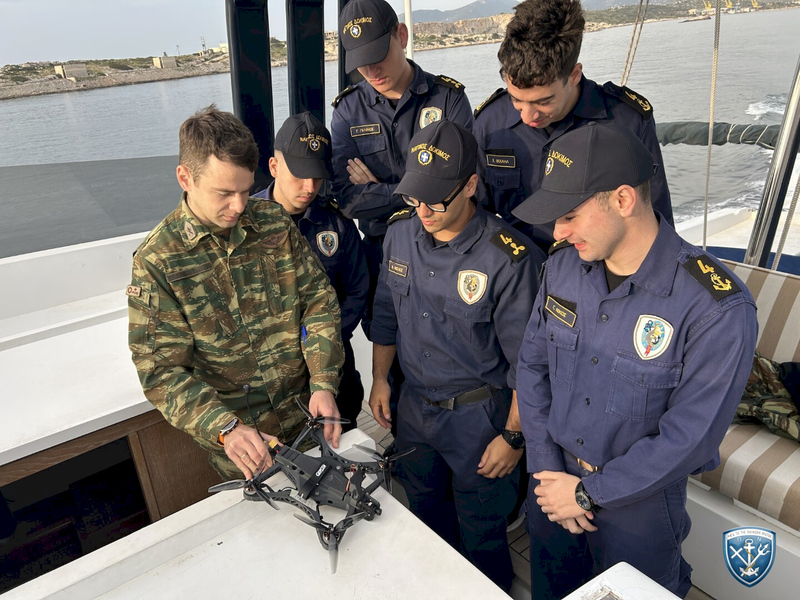
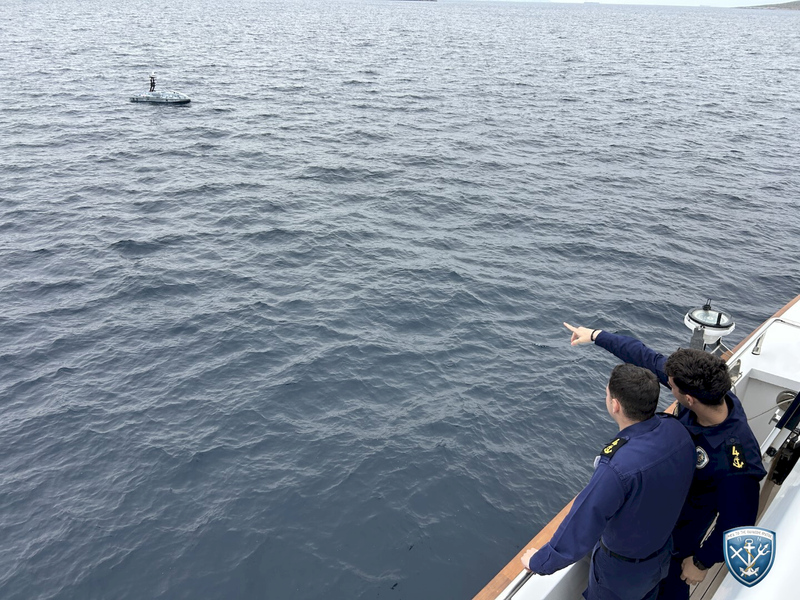
According to the Greek Navy, scenarios for operational utilization and countermeasures against unmanned systems (Unmanned Aerial Vehicles (UAV), Unmanned Surface Vehicles (USV), and Unmanned Underwater Vehicles (UUV)) were examined. Specifically, tests included countering threats from unmanned systems in “swarm” conditions, search, detection, and engagement of surface targets using armed or kamikaze drones, utilization of electronic jamming, use of unmanned vehicles in mine countermeasure operations, and protection of ports and critical underwater infrastructure.
Particular emphasis was placed on integrating unmanned systems into surface units (mothership concept), as well as improving operational awareness and surface picture compilation through modern command and control systems and unified information management.

Armed Forces collaboration with domestic defense industry
The invitation for company participation was issued by the Greek Navy in cooperation with the Hellenic Center for Defense Innovation (ELCAC), as part of leveraging modern technological solutions and promoting cooperation between the Armed Forces and the domestic defense industry. Participating organizations were given the opportunity to demonstrate and evaluate their technological solutions under realistic operational environment conditions. This initiative is part of the Armed Forces’ overall effort to utilize innovative technologies, enhance interoperability, and adapt to modern forms of threats.