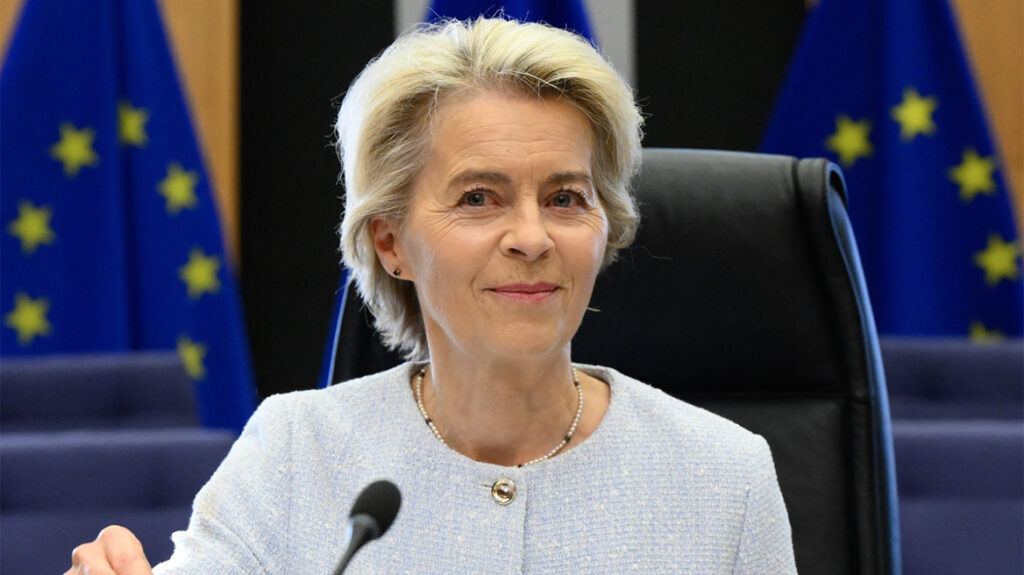
The President of the European Commission, Ursula von der Leyen, announced the start of provisional application of the agreement between the European Union and Mercosur countries (Brazil, Argentina, Paraguay and Uruguay), despite the fact that the European Parliament has referred it to the European Court of Justice.
As the Commission President stated, “yesterday Uruguay and Argentina became the first countries to ratify the EU-Mercosur Agreement, while Brazil and Paraguay are expected to follow soon. This is a particularly positive development, as it reflects our partners’ confidence and willingness to strengthen our cooperation and put this landmark agreement into effect.”
Mercosur agreement: How it will proceed, what it includes
The Mercosur Agreement creates a unified market of 720 million citizens, generating significant opportunities. It provides for tariff reductions worth billions of euros and offers small and medium-sized enterprises access to new markets and development beyond current parameters. At the same time, it secures Europe a strategic first-mover advantage in an environment of intense competition and short-term objectives. However, as she emphasized, this advantage must be utilized practically. She also reminded that in January the European Council authorized the Commission to proceed with provisional application of the Agreement from the moment of the first ratification by a Mercosur country.
Von der Leyen further clarified that the term “provisional application” is, by its nature, transitional, as its name implies. Based on EU Treaties, the full completion of the Agreement requires the consent of the European Parliament. For this reason, the Commission will continue close cooperation with EU institutions, member states and all stakeholders involved, so that the process evolves smoothly and transparently.
On January 12, the European Parliament suspended the trade agreement, as a narrow majority – by a margin of just 10 MEPs – decided to refer the draft to the European Court of Justice to examine its legal basis. Specifically, 334 MEPs voted in favor of the referral, 324 against, while 10 abstentions were recorded.