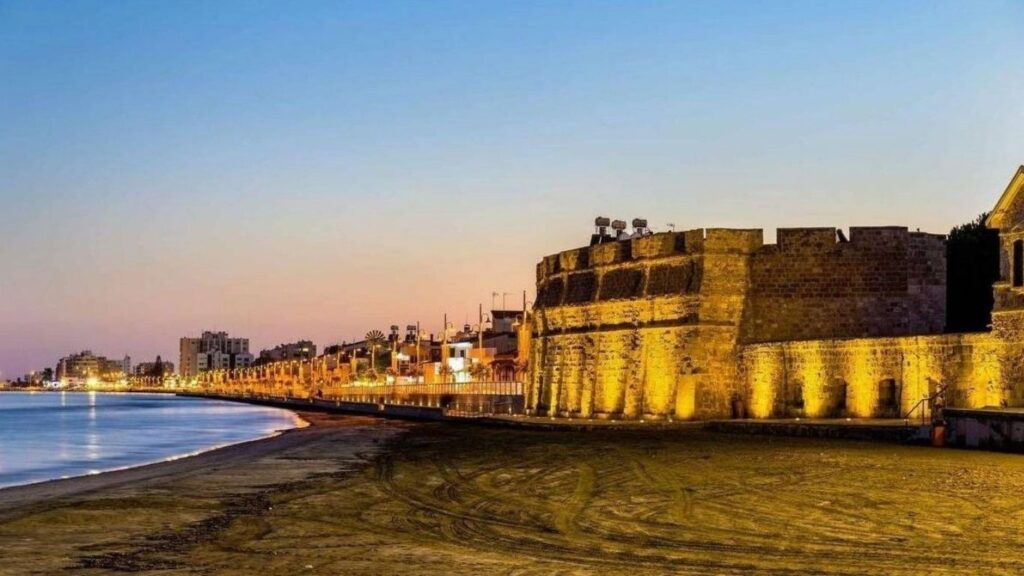
Larnaca is the city that will represent Cyprus as European Capital of Culture for 2030, the European Commission announced today. With this title, Larnaca joins Leuven in Belgium and Nikšić in Montenegro, which were also designated as cultural capitals for 2030 this year.
The European Commission can award each European Capital of Culture a monetary prize of €1.5 million under the “Creative Europe” program, in recognition of the quality of their preparation and cultural planning. Cities bearing this title enhance their cultural activities, attract tourism, promote investments, and contribute to social cohesion, as confirmed by a recent EU evaluation.
Between 2013-2022, cities hosting the institution organized an average of 1,000-1,200 cultural events annually, attracting approximately 38.5 million visitors. In several cases, visitor numbers increased by 30% to 40%.
Commissioner for Intergenerational Justice, Youth, Culture and Sport, Glenn Micallef, stated: “Congratulations to Larnaca for its proposal as Cyprus’s European Capital of Culture 2030. The way Larnaca highlights humanity – our deep and shared human values, is the best message Europe can send today.”
Larnaca becomes the second Cypriot city to win the title
Larnaca is the second Cypriot city to win the title, after Paphos in 2017. In an era of international crises, its cultural program centers on “humanity” (anthropia) as common ground that unites. Through exploring “Common Ground” in all its manifestations – physical, mental and emotional – the city seeks to cultivate empathy, care and a sense of community.
Candidate cities must present a cultural program with a strong European dimension, actively engage local communities, attract visitors from across Europe, and demonstrate they can implement a plan with sustainable benefits.
Established in 1985 following a proposal by Melina Mercouri, the European Capitals of Culture institution is today one of Europe’s most ambitious cultural undertakings, offering cities the opportunity to showcase their cultural identity, enhance citizen participation, and support local and regional development before, during and after their title year.