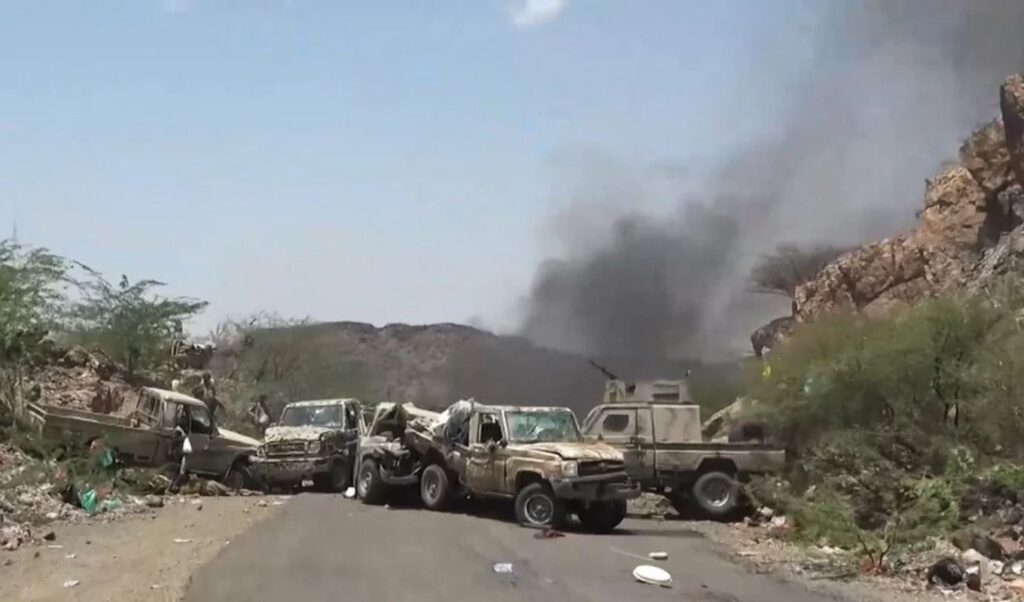
The crisis in Yemen has taken on new dimensions as hostilities now extend to the borders of Saudi Arabia. Riyadh announced the interception of a Houthi drone attack targeting Mecca, the holiest city in the Islamic world. The incident drew condemnation from both the Arab League and the Organisation of Islamic Cooperation, while the Houthis categorically deny any involvement. The Yemeni rebels, however, offer a different account of events. According to their statements, they shot down a Saudi Arabian fighter jet and struck facilities belonging to oil giant Aramco at the strategically vital Red Sea port of Yanbu. These claims have not been independently verified, and Riyadh has yet to officially comment on the allegations.
Read also: Continuous Houthi attacks on Saudi Arabia: 13 civilians injured by drone and ballistic missile strikes — damage to homes and infrastructure
Diplomatic initiatives to de-escalate tensions, regional alliances, and strategic meetings
According to Reuters, American officials held talks with Houthi representatives in Oman as part of broader efforts to reduce tensions along the critical Red Sea corridor. The rebels assured U.S. officials that their military operations are exclusively targeting Saudi Arabia and do not pose a threat to international shipping in the wider Middle East region. These developments prompted Saudi Crown Prince Mohammed bin Salman to travel to Cairo for talks with Egyptian President Sisi. The two leaders agreed on the need to safeguard freedom of navigation in the region, as threats to maritime traffic risk jeopardizing the economic interests of numerous countries.
Prior to this, secret consultations were held in Germany between Saudi Arabian military chiefs of staff and their counterparts from Israel, the United States, and other Gulf nations. According to Axios, these meetings aimed to coordinate efforts to strengthen security across the Middle East. An exclusive CBS report has also shed new light on the full extent of damage sustained by U.S. military bases in the Middle East following Iranian missile strikes — revelations that highlight the growing tensions in the region and the mounting challenges faced by American forces.
Iran’s diplomacy and China’s role
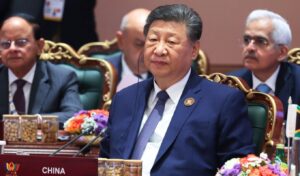
Diplomatic activity is also intensifying on the Iranian front. Iranian Foreign Minister Araghchi visited China, one of the largest buyers of Iranian oil. Beijing issued a statement calling on regional countries to engage in dialogue and respect national sovereignty, underlining the role it seeks to play in stabilizing the Middle East.