The surprise visit by the CIA director to Moscow has brought a striking paradox in today’s geopolitical landscape into sharp focus: Donald Trump and Vladimir Putin are facing a remarkably similar strategic dilemma. As CNN analyst Steve Collinson notes, despite the fact that Russia and the United States are engaged in entirely different conflicts, a common thread runs through both: neither Putin nor Trump has been able to achieve his stated military objectives, and neither can easily walk away without incurring significant political costs.
Read also: Strait of Hormuz: The US shifts the balance of power — Trump: “Iran’s response is very mild”
The analysis argues that both leaders appear to have underestimated the resilience and capabilities of their respective adversaries. Ukraine and Iran have each leveraged asymmetric tactics and relatively low-cost technologies — most notably drones — effectively neutralizing many of the advantages that conventional military superiority would normally provide.
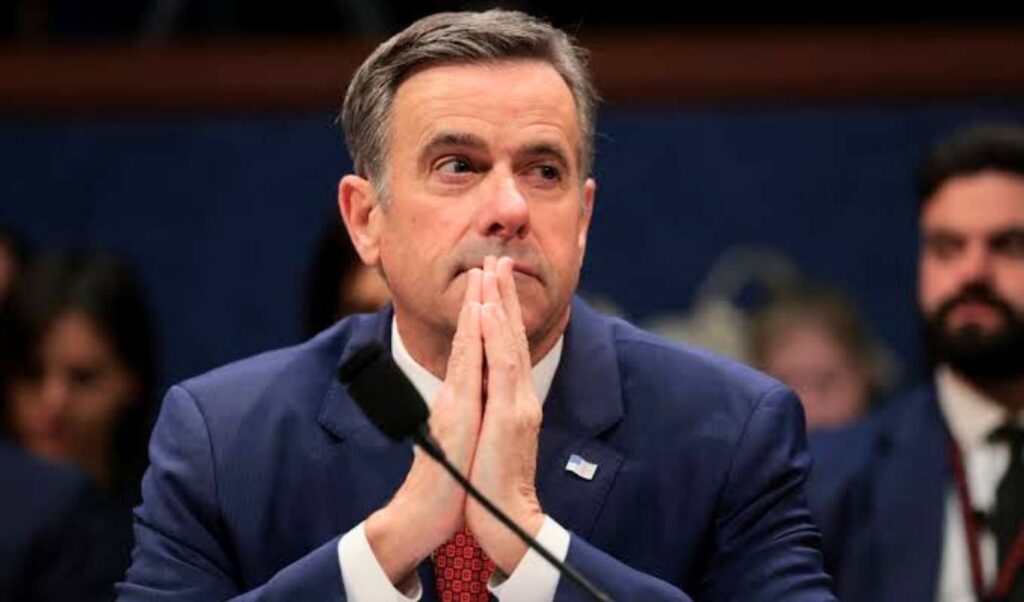
John Ratcliffe: What the CIA director discussed in Moscow
According to CNN, CIA Director John Ratcliffe warned the Russian side against carrying out overt or covert attacks on NATO territory, at a time when concerns are mounting across Europe that Moscow may be probing the alliance’s defensive resolve. He also sought to encourage Russia to scale back its economic and military support for Iran.
The mission took place as the Trump administration moves to shift its focus from direct military operations toward a broader economic pressure campaign against Tehran. For that campaign to succeed, however, Washington needs the cooperation of Iran’s key trading partners — chief among them Russia and China.
CNN notes that Moscow has no obvious strategic incentive to make things easier for Trump, particularly given reports that Russia has been sharing intelligence with Iran about the movements of American forces.
Trump’s fears over the erosion of US power
One of the central themes of the CNN analysis concerns American credibility on the world stage. The protracted confrontation with Iran has already come at a cost to the United States, depleting munitions stockpiles and placing mounting strain on American air and naval forces.
This, the analysis suggests, may be leading Russia and China to conclude that Washington has less capacity — or less appetite — to respond decisively to a fresh crisis in Europe or Asia.
Trump continues to maintain that his personal relationship with Putin contributes to global security, and has stated that he does not believe the Russian president would attack a NATO member state.
The CNN analysis, however, reaches a different conclusion. The war involving Iran may not carry the same existential weight for Trump as Ukraine does for Putin — but both leaders now find themselves confronting the consequences of wars they each chose to start.
Ratcliffe’s visit to Moscow is therefore yet another sign that these two conflicts are no longer unfolding in isolation. Instead, they are becoming increasingly intertwined within a broader great-power rivalry — one that is testing the balance of influence among the United States, Russia, China, and their respective allies.